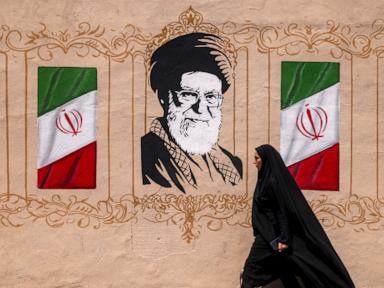
Fear has returned to the public squares of Iran. When authorities recently erected gallows in Alikhani Square in Isfahan to publicly hang young protesters, it wasn't just about carrying out death sentences. It was a calculated message. The ruling clerical establishment is terrified of its own people. To counter this threat, they are using public spectacles of violence to force total submission.
If you look past official state broadcasts, a much darker reality emerges. The Islamic Republic is actively exploiting regional conflicts and wartime anxieties as a convenient smokescreen. Under this cover, they are accelerating a brutal campaign of arbitrary arrests, fast-tracked secret trials, and public executions. Thousands have been swept up in the dragnet since early 2026, and the gallows are working overtime.
The Strategy Behind the Scaffolds
Why public executions, and why now? Human rights monitors and regional experts point to a clear pattern. Whenever external pressures mount or internal economic collapse triggers widespread civil unrest, the regime falls back on its oldest playbook: absolute terror.
The strategy relies on staging grisly public spectacles to convince citizens that resistance is entirely hopeless. By dragging young men like Abolfazl Sepahi Badjani and Amirhossein Safari Hosseinabadi to public squares in Isfahan, authorities hoped to atomize the protest movement. They want neighbors watching neighbors, too afraid to whisper complaints about inflation, corruption, or lack of basic freedoms.
Yet, something has shifted on the ground. Instead of melting away in terror, onlookers in Isfahan openly shouted "Dishonorable" at the security forces. Fear is losing its monopoly.
Inside the Fast-Tracked Judicial Machine
You can't talk about Iran's current wave of repression without examining the courts. Revolutionary Tribunals operate entirely outside international standards of justice. Defendants are routinely denied access to independent lawyers of their choosing. Prosecutors rely heavily on coerced confessions extracted through physical torture and psychological abuse.
Consider the structural mechanics of these proceedings:
- Arrests happen under broad national security charges like moharebeh, or waging war against God.
- Trials take minutes behind closed doors with handpicked judges.
- Appeals are routinely ignored or fast-tracked to rubber-stamp death sentences.
- Families often discover executions happened only after the fact, denied even a final visit.
International bodies like the UN Independent International Fact-Finding Mission have repeatedly demanded an immediate halt to these killings. Yet the judicial machine continues to churn. According to documentation by groups like Iran Human Rights, total executions for the year have surged past 900, marking one of the bloodiest eras in modern Iranian history.
The Broader Civilian Crackdown
The terror doesn't stop with street protesters. The state is systematically dismantling any independent civil institution that could organize future resistance.
University campuses have turned into militarized zones. Over a hundred students have faced sudden expulsions, beatings, and arrests simply for demanding basic accountability. Meanwhile, teachers' unions and labor organizers—long the backbone of civil society—are experiencing targeted raids. Dozens of prominent lawyers who dared to represent political prisoners have themselves been dragged into prison on bogus charges of spreading propaganda.
Even behind bars, defiance persists. Thousands of death-row political prisoners have staged coordinated hunger strikes to protest the endless stream of hanging orders. They know the risks, but they are refusing to go quietly.
The international community faces a stark choice. Continued diplomatic silence only emboldens a desperate regime. Real change won't come from external military actions or hollow statements. It rests entirely on recognizing the courage of ordinary Iranians who look at the gallows every single day and still refuse to back down.
Public executions return to Iran amid intensified post-war crackdown
This video provides additional context and visual reports on how the Iranian regime utilizes public spectacles and state media broadcasts to exert control during periods of intense civil unrest.
http://googleusercontent.com/youtube_content/1