Diplomatic channels rarely stay quiet for long in the Middle East, and Tehran is currently pushing hard to resurrect a fractured diplomatic framework. If you have been tracking the volatile back-and-forth between Washington and Iran, you already know the stakes couldn't be higher.
Recent statements from Iran's interior ministry confirm that ongoing negotiations aim to pull both nations back to the terms of the Islamabad Memorandum of Understanding. But can a shattered agreement actually be stitched back together, or is this just another round of political posturing?
The Backstory of the Islamabad Agreement
Back in June, hopes spiked globally when the United States and Iran signed a 14-point peace memorandum in Pakistan's capital. The deal promised an immediate reopening of the crucial Strait of Hormuz, lifted blockades on Iranian ports, and provided temporary regulatory relief for oil sales.
It looked like a breakthrough ending weeks of intense military friction. Yet, the momentum dissolved rapidly. By July, mutual accusations of truce violations—sparked by attacks on commercial tankers and subsequent retaliatory airstrikes—completely dismantled the accord.
Why Tehran Is Changing Tone Now
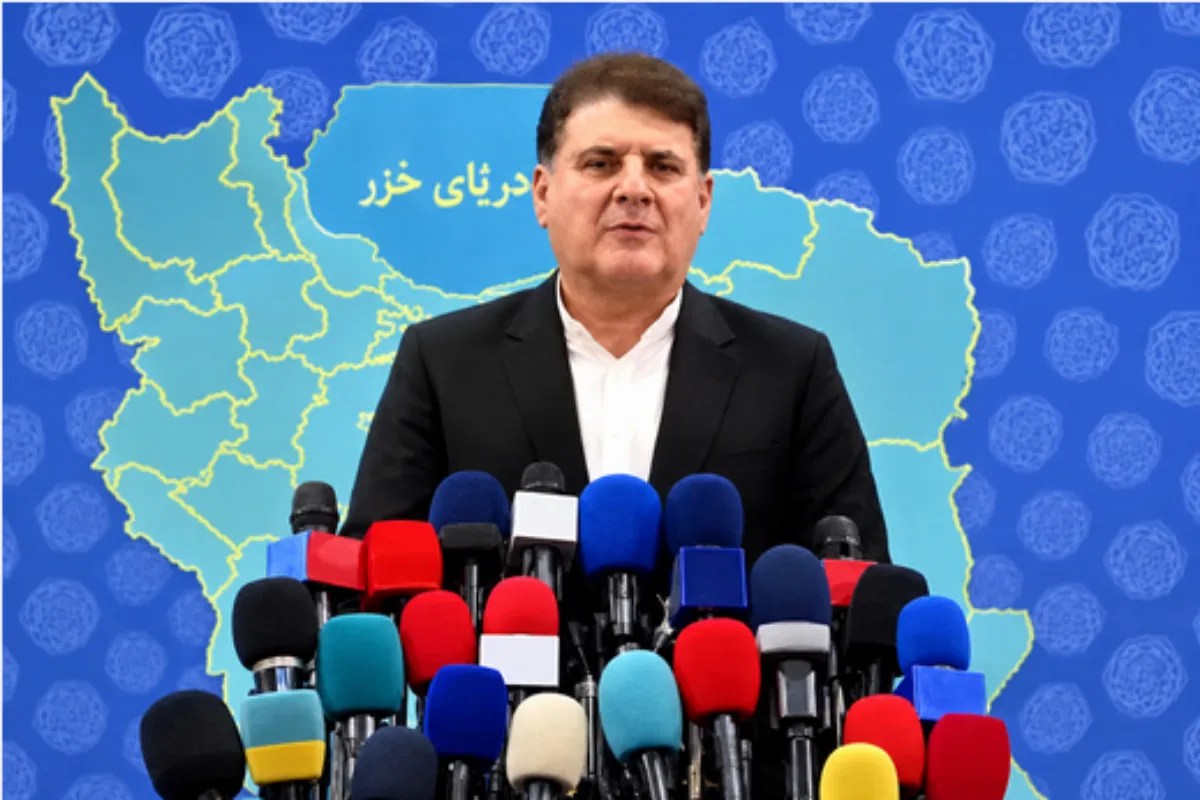
Tehran's renewed insistence on reviving the Islamabad pact isn't happening in a vacuum. Interior ministry spokesman Ali Zeynivand recently emphasized that the agreement carries the backing of Iran's Supreme National Security Council and Supreme Leader Ayatollah Khamenei.
This official endorsement signals that despite hardline internal disagreements, the Iranian state apparatus recognizes the heavy economic cost of ongoing isolation. President Masoud Pezeshkian's administration has leveraged international forums like BRICS and the Shanghai Cooperation Organisation to keep diplomatic lines open. They want the United States to honor its original commitments, particularly regarding economic sanctions and maritime access.
The Real Hurdles to Peace
Reviving the memorandum faces steep structural walls. Washington maintains strict red lines concerning nuclear development, and trust between the two militaries remains practically nonexistent. Furthermore, regional navigation rights in the Strait of Hormuz remain a massive point of contention, with Iran simultaneously negotiating alternative transit pacts with regional neighbors like Oman.
When agreements break down this quickly, rebuilding trust requires more than standard press briefings. Both sides are playing a high-stakes game of strategic patience, balancing domestic political survival against the crushing weight of regional instability.
Keep an eye on upcoming regional diplomatic meetings in Muscat and further updates from international mediators. The push to revive the Islamabad accord will test whether Washington and Tehran can find a pragmatic middle ground before shipping lanes face renewed disruptions.