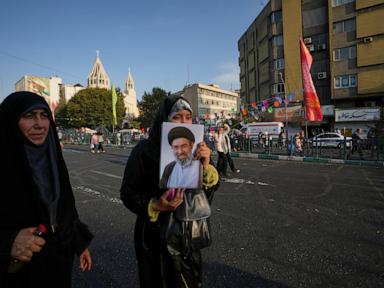
Geopolitics in the Middle East rarely stands still. If you've been watching the headlines lately, you know the regional friction points are multiplying by the day. Ayatollah Mojtaba Khamenei recently made headlines by issuing a written statement to religious leaders gathered in Tehran, urging Islamic nations to unite against the United States and Israel. It's a striking move, especially considering the ongoing fallout from military strikes that shook the region months prior.
Why is Tehran pushing this rhetoric now? The strategy runs deeper than standard political posturing. The ongoing conflict has exposed deep fractures within the broader Muslim world, particularly given that Iran has previously targeted neighboring Gulf states and clamped down on shipping routes through the Strait of Hormuz. When you look at the big picture, Tehran wants to reframe the narrative entirely. They aren't just framing this as a bilateral dispute between Iran and Western powers. They're trying to cast Washington and Jerusalem as existential threats to the entire Muslim community, or Ummah, hoping to bridge the gaps with hesitant neighbors. Recently making news lately: When Himalayan Floods Hit Nepal Over 900 Lives Lost And Counting.
Breaking Down the Call for Regional Solidarity
The timing of this message coincides with Islamic Unity Week, an annual event originally established to foster reconciliation between Sunni and Shia populations. Yet, translating ideological calls into concrete geopolitical alliances is notoriously difficult. Iran's relationship with Gulf Arab monarchies has always been complicated. Years of proxy conflicts, economic disputes, and direct military flare-ups have eroded basic trust.
When regional shipping takes a hit, and ballistic missiles fly across borders, neighboring states grow wary rather than eager to join a coalition. Iran's foreign minister, Abbas Araghchi, has tried parallel diplomatic tracks, meeting with officials from Oman, Pakistan, and Qatar to keep communication channels open. Araghchi keeps emphasizing that regional solutions require mutual respect and an understanding that economic pressure won't bend Tehran's stance. But bridging that divide takes more than written letters when military actions on the ground tell a different story. Further insights regarding the matter are detailed by Wikipedia.
What the Numbers and Ground Realities Show
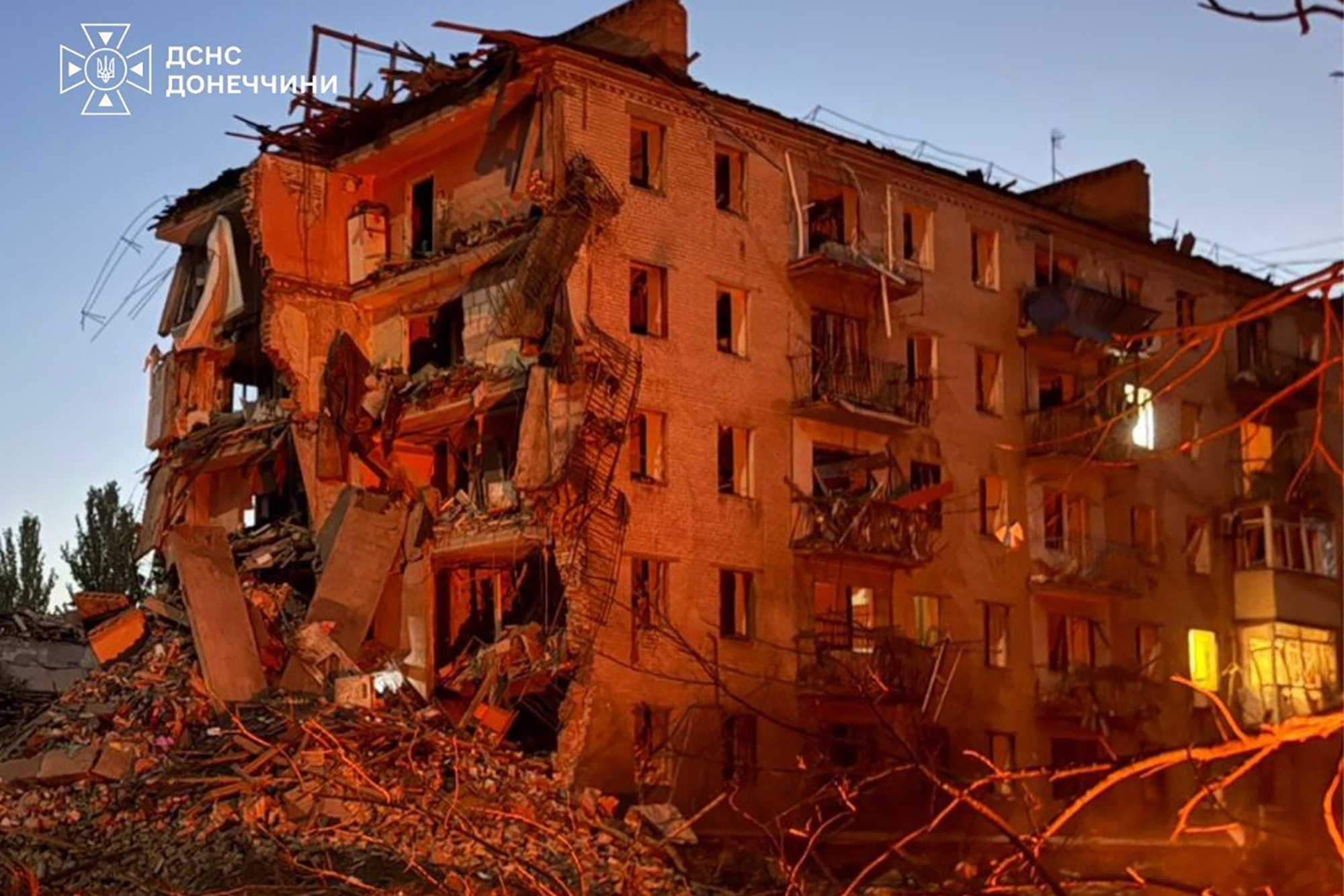
Look past the political statements, and you'll find a grinding war of attrition. U.S. forces recently engaged in what military officials describe as limited, precise actions against Iranian rocket launchers and minelaying forces near the Strait of Hormuz. In return, state media reported Iranian missile responses targeting locations in Jordan, prompting local air defense interceptions. Meanwhile, vital shipping lanes remain vulnerable, keeping global energy markets on edge.
Security concerns aren't limited to military installations either. In an extraordinary security measure, Israel's Shin Bet agency evacuated Prime Minister Benjamin Netanyahu's oldest son, Yair Netanyahu, from the United States following what authorities termed a significant threat. These interlocking security alerts prove that the conflict is bleeding far beyond active combat zones.
The Reality Behind the Rhetoric
Can Tehran actually pull off this grand alliance? Honestly, it's a hard sell. Many Gulf nations rely heavily on security architectures tied to Western powers. They view Tehran's outreach with extreme caution. For an alliance against the U.S. and Israel to materialize, Iran would need to fundamentally alter how it interacts with its immediate neighbors—something the hardliners in charge seem hesitant to do fully.
If you're trying to understand where the Middle East goes from here, watch the diplomatic backchannels rather than just the public speeches. Pay attention to how trade routes adapt, how Gulf states respond to overtures, and whether localized skirmishes escalate into broader maritime blockades.
Stop expecting quick diplomatic breakthroughs. The regional map is shifting, and the standoff is locked in for the long haul.
Iran's Supreme Leader calls for Muslim unity to confront the US and Israel
This video provides direct coverage and visual context regarding the recent statements made by Iran's leadership concerning regional alliances and foreign policy.
http://googleusercontent.com/youtube_content/1