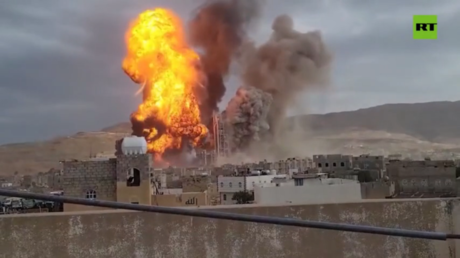
When missiles struck Riyadh's King Khalid International Airport over the weekend, killing 14 people and injuring hundreds, the shockwaves went far beyond Saudi airspace. They hit diplomatic corridors from Tehran to Washington.
Barely hours after the smoke cleared, Iranian Foreign Minister Abbas Araghchi picked up the phone to speak with his Saudi counterpart, Prince Faisal bin Farhan Al Saud. Tehran's message was quick, calculated, and surprising to many observers: Iran offered to help facilitate talks between Riyadh and Yemen’s Houthi movement.
You might wonder why a government long accused of fueling the Yemen war is suddenly positioning itself as a peacemaker. The answer isn't charity. It’s hard strategic calculus.
Turning a Battlefield Liability Into a Diplomatic Chip
Iran doesn't pull every string in Yemen. The Houthis, also known as Ansar Allah, operate with their own internal ambitions, military momentum, and political agenda. Yet, Tehran wields substantial influence as a core member of the regional "axis of resistance."
For months, the situation on the ground has shifted. Saudi-backed forces launched Operation Dawn of Yemen on October 4 to claw back lost territory around Sanaa and the strategic Bab al-Mandeb strait. In response, the Houthis stepped up drone and missile strikes against Saudi infrastructure.
With regional tensions boiling over and the wider US-Israel conflict threatening its own borders, Tehran wants to avoid getting sucked into a costly multi-front attrition war. By stepping forward to mediate, Iran is trying to flip its military liabilities into diplomatic leverage.
Security analysts note that Saudi Arabia finds itself frustrated with the limits of traditional Western security backing. By presenting itself as an indispensable partner capable of calming the southern border, Tehran wants to show Riyadh that direct engagement yields results that Washington cannot deliver.
The Broader Regional Playbook
Don't look at the Yemen talks in isolation. Tehran's diplomatic outreach fits into a wider push to connect separate conflicts across the Middle East.
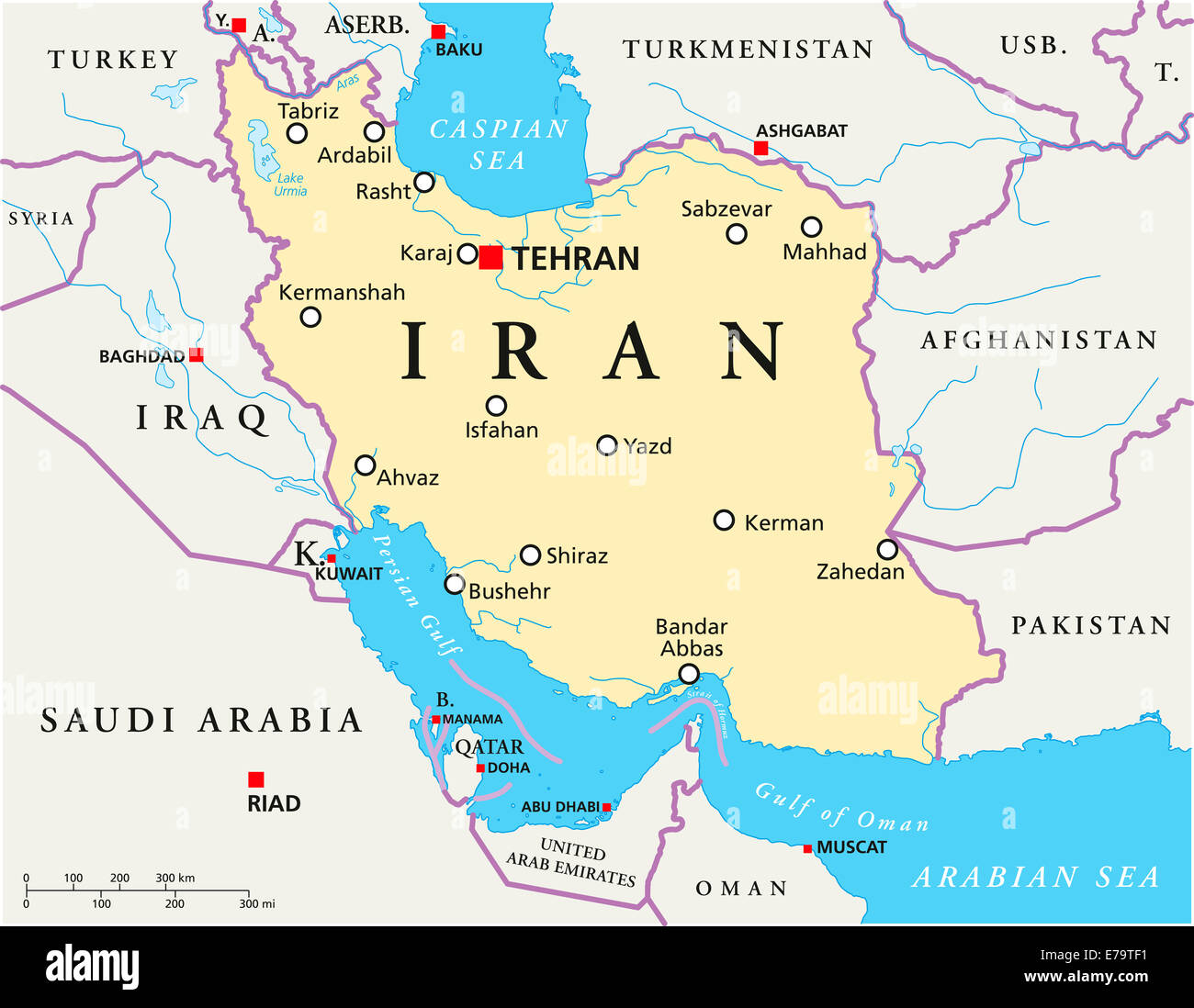
Iranian strategy relies on a simple premise: regional security cannot be compartmentalized. You can't expect calm in the Gulf while keeping economic and military pressure cranked to the maximum on Tehran and its allies. By inserting itself into the Saudi-Houthi dialogue, Iran aims to secure broader non-aggression understandings that touch on sanctions relief, maritime security in the Strait of Hormuz, and regional de-escalation.
At the same time, Saudi Arabia's leadership faces immense domestic and economic pressure. Keeping trade routes open, protecting energy installations, and avoiding costly escalations remain top priorities for Riyadh. If dialogue with Tehran can secure a reliable freeze on Houthi cross-border strikes, the Saudi government is willing to test diplomatic channels, even if trust remains low.
The Limits of Tehran's Clout
It's a mistake to assume Iran can simply snap its fingers and order the Houthis to halt their military campaigns. The group's leadership controls Yemen's capital, views recent territorial gains as hard-won leverage, and acts out of independent domestic motivations.
When Araghchi warns against military solutions and urges political dialogue, he is walking a tightrope. He wants to project regional authority without taking direct blame for Houthi escalations that threaten civilian lives and economic stability in the Gulf.
The coming weeks will test whether this diplomatic opening transforms into a lasting ceasefire or collapses under the weight of ongoing battlefield clashes. Keep a close eye on backchannel communications between Riyadh and Tehran, as well as the actual tempo of missile launches along the Saudi border. Real security shifts happen behind closed doors long before public agreements get signed.