When Iran joined BRICS in 2024, cheerleaders of a multipolar world celebrated. They saw a rising global alliance ready to dethrone Western hegemony. The reality check came fast. The war involving Iran, the US, and Israel that erupted in early 2026 stripped away the hype. It exposed a fundamental truth. Putting bitter rivals under the same diplomatic tent does not create a unified superpower bloc.
If you want to understand why the promise of a new global order is unraveling, look at the diplomatic wreckage of the past few months. The grouping is completely paralyzed. One member is under a US naval blockade. Another member was directly attacked by that same member. The rest are desperately trying to protect their own trade lanes while pretending the alliance still means something. It does not.
The New Delhi Collapse and the Illusion of Unity
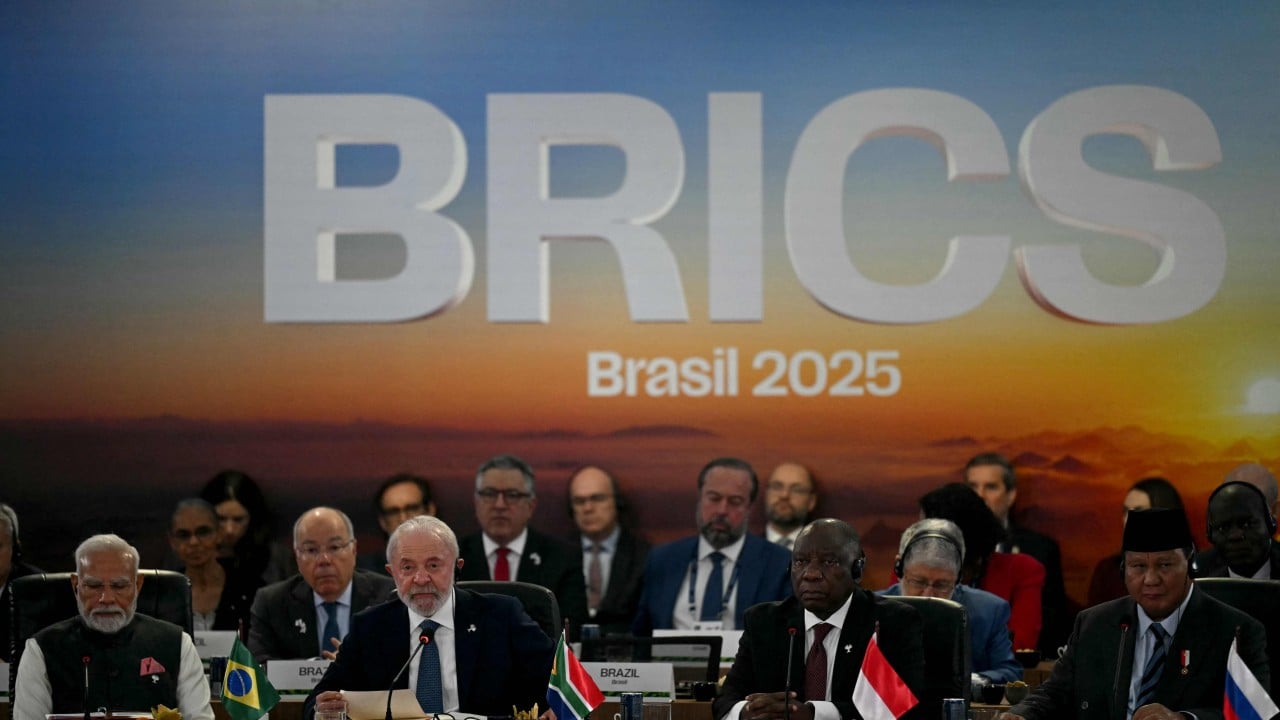
In May 2026, Indian External Affairs Minister Subrahmanyam Jaishankar chaired a high-profile meeting of BRICS foreign ministers in New Delhi. It was meant to showcase the group's collective influence under India's presidency. Instead, the meeting collapsed without a joint statement.
The cause of the breakdown was simple. Iranian Foreign Minister Abbas Araghchi demanded that the group explicitly condemn American and Israeli military actions. Iran wanted the bloc to act as a shield against Western power. The United Arab Emirates rejected this completely. The UAE demanded that the final text condemn Iranian missile and drone strikes on Gulf energy infrastructure.
India was stuck in the middle. Jaishankar could only issue a weak chair summary acknowledging that differing views remained. This was not an isolated incident. A similar deputy-level meeting in April ended in the exact same deadlock. The group has failed to produce a single unified stance on the conflict.
The expansion that was supposed to make the bloc an economic giant has instead imported the volatile geopolitics of the Middle East. You cannot build a coherent international alliance when your members are actively launching drones at each other's ports.
Why Opposition to Washington Is Not Enough
The founding myth of BRICS was that shared resentment toward the Western financial and political system would bind these nations together. The current conflict proves that negative solidarity is a terrible foundation for an alliance.
Consider the deep contradictions that the war has laid bare.
- The Iran and UAE Fault Line: Iran targeted US military installations on Emirati territory and hit local infrastructure. The UAE relies on Washington for security, making any real alignment with Tehran impossible.
- India's Delicate Balancing Act: India is facing severe economic fallout from the war. Indian citizens have been killed in regional incidents, and an Indian-flagged vessel was sunk. Prime Minister Narendra Modi traveled to the UAE to offer public solidarity, signaling that New Delhi will not sacrifice its Gulf partnerships for Iranian interests.
- China's Strategic Absence: While Iran was begging for a united front in New Delhi, Chinese Foreign Minister Wang Yi skipped the meeting entirely. China was represented by its ambassador to India, Xu Feihong, because Beijing was hosting a state visit by the US president. Beijing values its massive trade relationship with America far more than a symbolic show of solidarity with Tehran.
The grouping lacks a mutual defense pact like NATO. It also lacks the basic trust needed to mediate conflicts between its own members. When the pressure increased, individual national interests immediately crushed any sense of collective purpose.
Moving Beyond the Multipolar Hype
The lesson for international observers is clear. Do not mistake economic cooperation for a geopolitical alliance. The bloc will likely survive as a platform for lower-stakes initiatives, such as developing alternative interbank communication systems to bypass SWIFT. However, its ambitions to reshape the global security order are dead.
If you are evaluating global risk or managing international supply chains, stop treating this bloc as a unified actor.
Start by analyzing the individual actions of the three core players. Watch India's efforts to secure maritime flows through the Red Sea and the Strait of Hormuz independently of any bloc consensus. Track China's bilateral deals rather than its empty summit declarations. Monitor how regional minilaterals, like the India-UAE security partnership, are replacing broader multinational groupings. The era of romanticizing alternative global blocs is over, replaced by a messy reality where national survival trumps alliance rhetoric every single time.