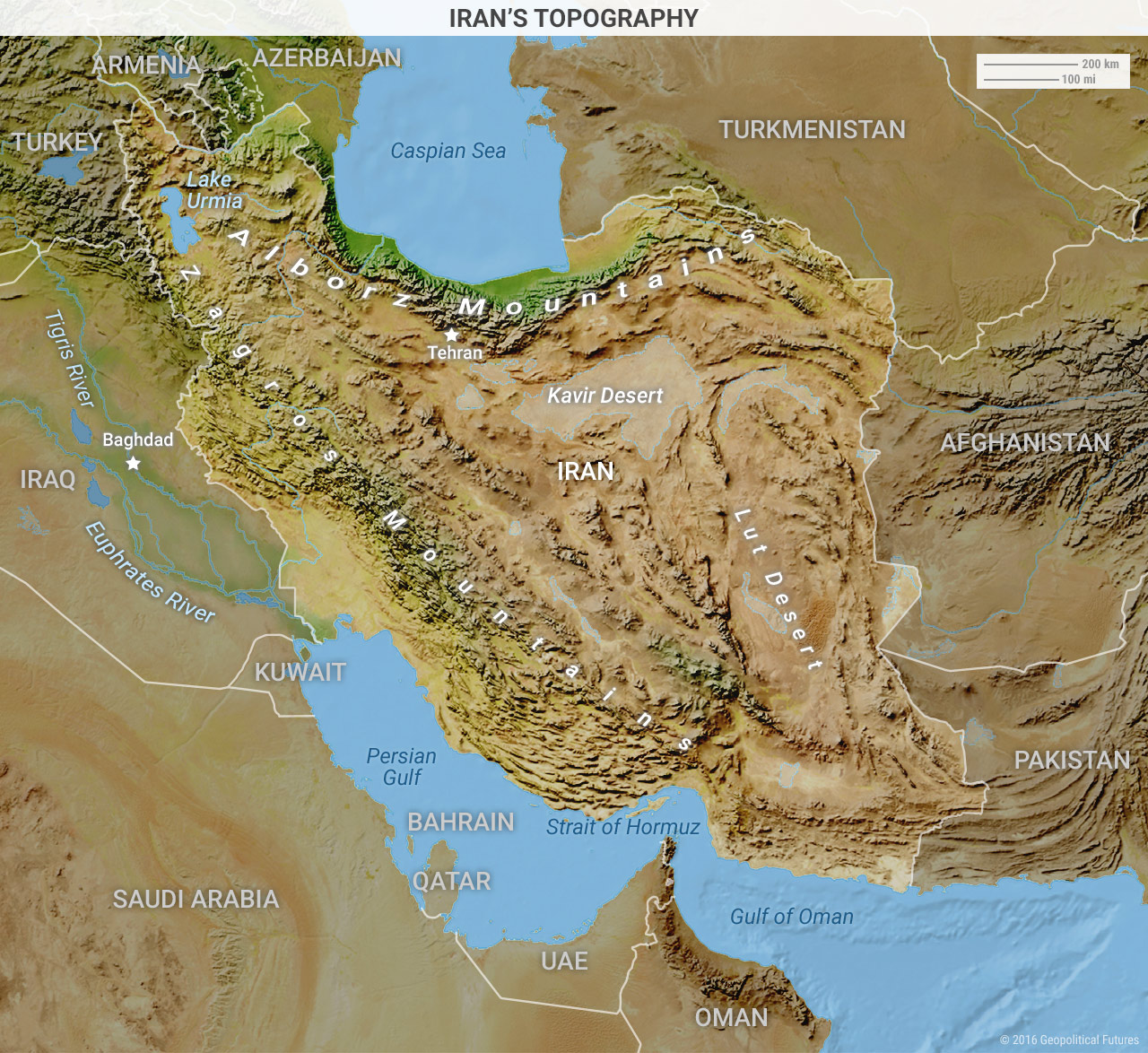
Diplomacy is officially hitting a wall in the Middle East. When Washington delivered a lukewarm, cautious response to Tehran's recent proposal aimed at ending ongoing hostilities, the reaction in Iran was swift and uncompromising. Mohsen Rezaei, head of Iran's Supreme National Security Council, publicly dismissed the American terms as completely insufficient. More alarming than the diplomatic rejection is what comes next: a direct warning that if fighting intensifies, Iranian forces will target regional data centers and critical communication cables.
Let's be clear about what this means. We aren't just talking about standard military posturing or localized border skirmishes. By shifting the crosshairs toward digital infrastructure, data hubs, and subsea cables, Tehran is signaling that future escalation will hit the interconnected nervous system of the global economy.
Why Washington's Lukewarm Reply Backfired
Negotiations between Washington and Tehran have hovered in a state of suspended animation for months. Despite a brief memorandum of understanding signed earlier in June, underlying disagreements over navigation rights through the Strait of Hormuz—the vital energy bottleneck carrying a massive portion of global petroleum supplies—never truly went away.
When Tehran put forward its latest framework to wind down the conflict, the White House opted for a measured, muted reply. Governments often choose caution to avoid looking weak or committing too early to rigid terms. But in high-stakes geopolitics, ambiguity reads like dismissal.
Mohsen Rezaei and other hard-line officials didn't interpret the lukewarm reply as an invitation to keep talking. They saw it as an outright rejection of their terms. When diplomatic channels stall out, the rhetoric shifts from negotiation tables to military commands. Tehran's public stance now is that peace talks cannot succeed under pressure or half-hearted gestures, paving the way for a dangerous new phase of tactical threats.
The Real Target: Regional Data Centers and Connectivity
Traditional warfare focused on ports, oil terminals, and military airfields. Today, modern conflicts wage war on digital connectivity. The recent Iranian warning explicitly singled out regional data centers and telecommunications cables.
Think about the modern Middle East. Over the last decade, countries across the Gulf have transformed themselves into global digital hubs. Massive cloud regions, hyper-scale data centers, and critical fiber-optic cables crisscross the region, connecting Asia, Europe, and Africa. Financial transactions, cloud computing services, and global internet traffic rely heavily on this physical infrastructure sitting in the Persian Gulf and surrounding areas.
If regional tensions flare up and threats translate into action, the collateral damage won't stay local. A coordinated cyber or physical strike on regional data hubs and subsea cables could disrupt enterprise networks, financial markets, and communication streams far beyond the Middle East.
What Most People Get Wrong About the Standoff
Many observers assume that domestic political calendars dictate every move in Washington and Tehran. Analysts love to point to impending elections or internal leadership pressures as the primary drivers of policy. While domestic politics always play a role, treating this crisis as mere political theater ignores the hard operational realities on the ground.
The military commands on both sides are planning for worst-case scenarios. On one hand, reports suggest potential US contingency planning involving targeted strikes on energy and power facilities inside Iran. On the other hand, Tehran's leadership has repeatedly stated that any fresh assault will trigger widespread retaliation against regional partners and economic assets.
When both sides lock into an escalatory spiral, small miscalculations become dangerous flashpoints. A single misread radar signal or an intercepted drone can turn a war of words into active kinetic destruction.
Where Do We Go From Here?
The window for a stable, negotiated settlement is narrowing fast. With the Strait of Hormuz remaining a persistent friction point and diplomatic proposals stalling out over fundamental disagreements, the risk profile for businesses and governments operating in the region has skyrocketed.
If you have operational exposure, supply chains, or digital assets tied to the Middle East, treating this as background noise is a massive gamble. Contingency plans need dusting off, alternative data routing should be reviewed, and security protocols must account for high-level infrastructure threats.
The threats are on the table, and the diplomatic goodwill is running on empty. Expect a volatile stretch ahead.