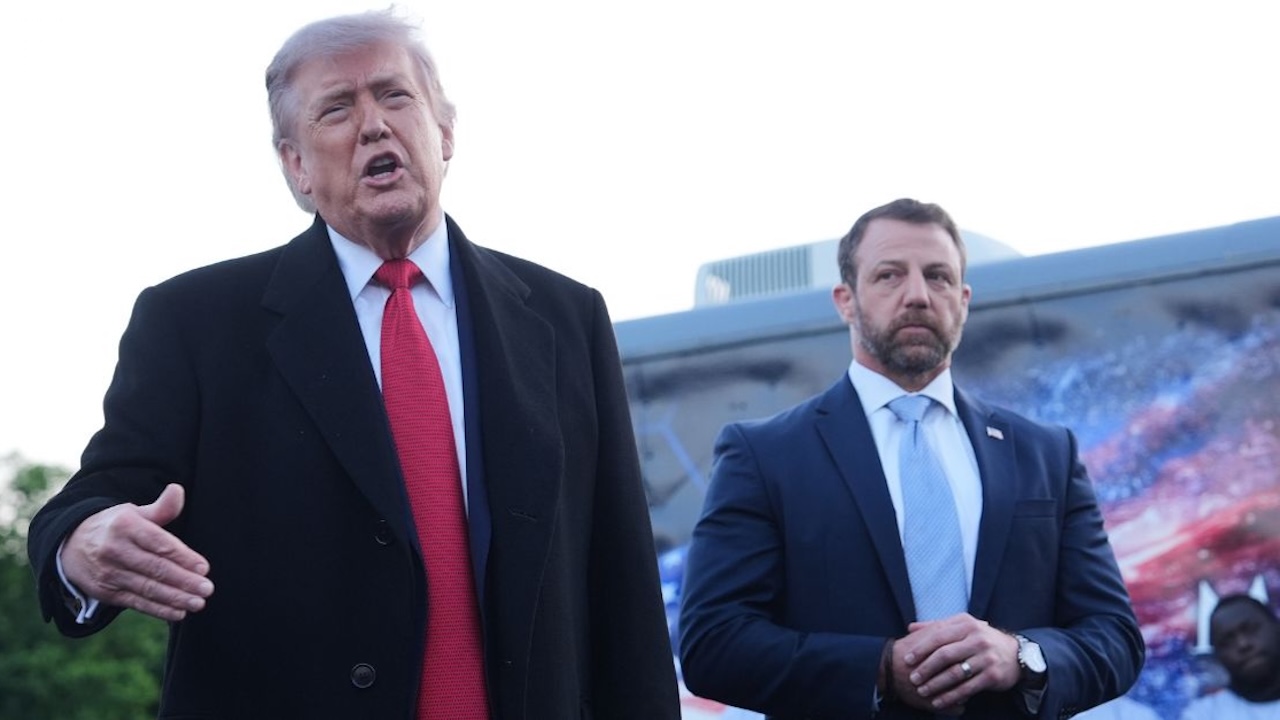
You’ve probably seen the headlines screaming about Pickaxe Mountain. President Donald Trump recently took to the airwaves and the Oval Office to warn that Washington plans to hit the heavily fortified Iranian complex very soon and very heavily.
If you're wondering why a literal mountain is suddenly dominating global news cycles, you aren't alone. Let's cut through the geopolitical noise and look at what this underground site actually is, why military planners are sweating, and what happens next. You might also find this connected article interesting: What Trump's Un Speech Really Means For The Future Of Iran.
What is Pickaxe Mountain Anyway
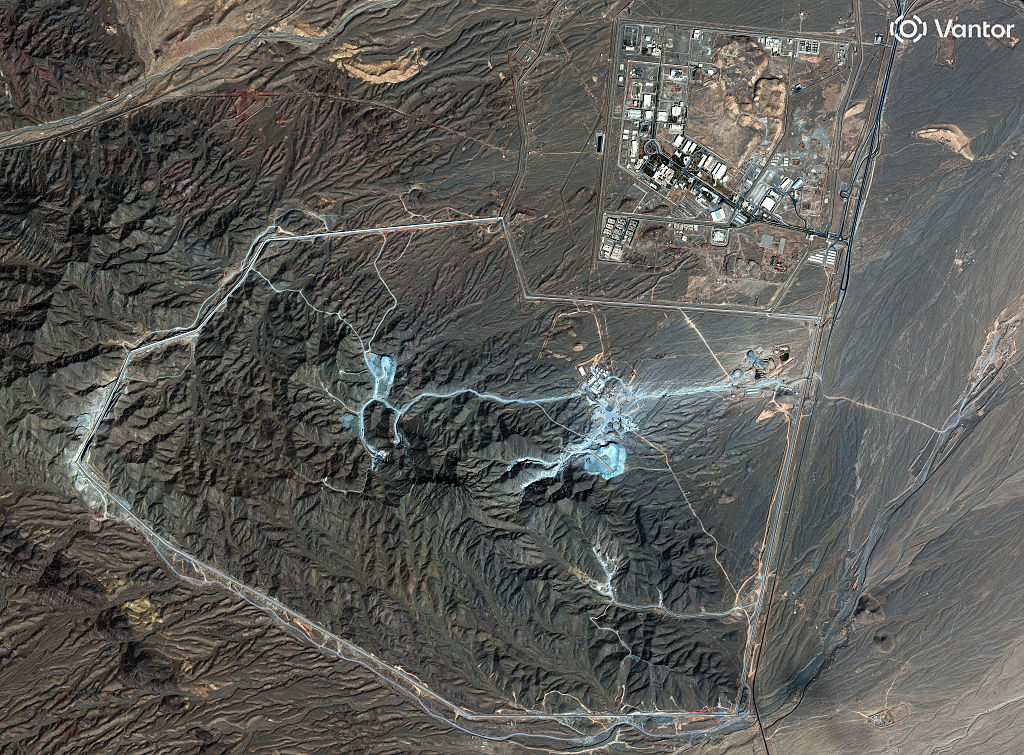
Officially known as Kuh-e Kolang Gaz La, Pickaxe Mountain sits roughly 140 miles south of Tehran, right next to the famous Natanz nuclear complex. When previous air campaigns flattened parts of Iran's above-ground nuclear infrastructure, Tehran didn't stop working. Instead, they dug deeper.
Construction on this massive underground labyrinth started years ago. Intelligence estimates place the facility anywhere from 80 to 100 meters—or up to several hundred feet—beneath solid rock. As extensively documented in recent articles by The New York Times, the effects are widespread.
The primary fear? Israeli intelligence assessments suggest Iran has managed to move thousands of uranium-enrichment centrifuges into these subterranean tunnels. If true, it means Iran is actively trying to reconstitute the nuclear capabilities that prior strikes tried to wipe out.
Can America Actually Destroy It
Here is where military reality clashes with political rhetoric. You can't just drop a standard bomb on Pickaxe Mountain and expect results.
The United States relies heavily on the GBU-57 Massive Ordnance Penetrator (MOP) for underground targets. It's a massive, 30,000-pound bunker buster designed to smash through dozens of feet of earth and reinforced concrete before detonating.
But physics is stubborn. Experts point out that Pickaxe Mountain might be buried too deep even for the mighty MOP. The granite overhead could absorb the shockwave, leaving the inner chambers intact.
Because a direct punch might not work, military strategists talk about alternative choke points. You don't necessarily have to shatter the mountain to neutralize it. Targeting the tunnel entrances, knocking out the ventilation shafts, and severing the electrical grid can turn an underground facility into a tomb. If the centrifuges inside lose power, oxygen, and operational space, they become expensive paperweights.
The Real Risk of Regional Escalation
Trump’s warnings haven't happened in a vacuum. They come amid a broader tit-for-tat military spiral across the Middle East, including naval choke points in the Strait of Hormuz, intercepted drones, and rising casualties.
Iranian state media and hardline factions have already signaled that any direct strike on Pickaxe Mountain will trigger massive retaliation against regional infrastructure and Western assets. Tehran knows it can't match American air power symmetrically, so it leverages asymmetric choke points on global energy supplies instead.
Keep an eye on whether intelligence agencies officially verify the centrifuge transfer. Until then, expect the rhetoric to stay loud, the markets to react to every oil headline, and military commanders to quietly game out how to seal a mountain shut.
What to know about Iran's Pickaxe Mountain, home to an underground nuclear site
This video breaks down the geographical layout of Pickaxe Mountain and explains why its location near Natanz makes it a central flashpoint in the ongoing conflict.
http://googleusercontent.com/youtube_content/1