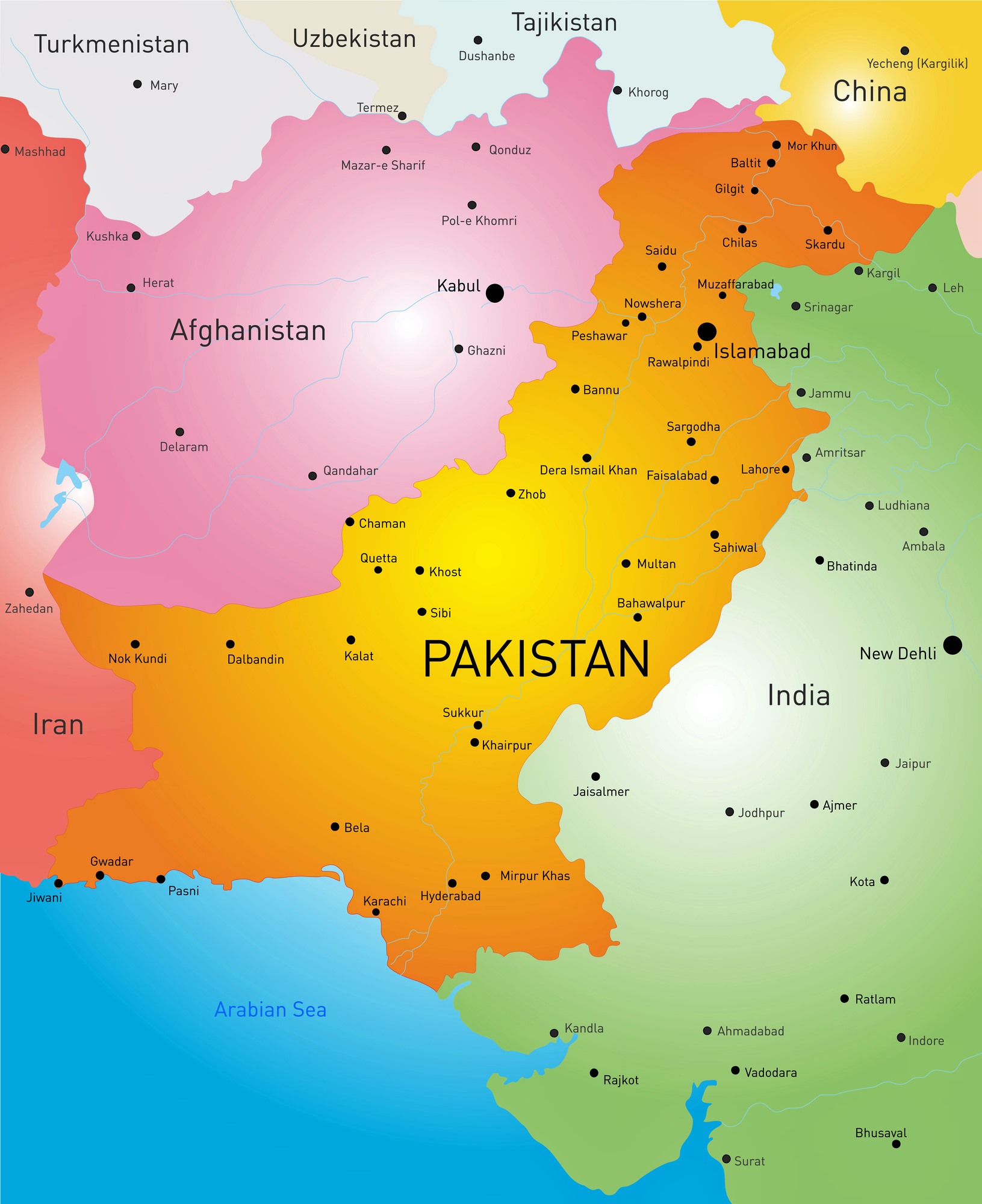
Capital cities don't just lock down overnight. It takes hours of frantic emergency meetings, miles of heavy steel containers, and tens of thousands of security personnel moving into strategic positions before a major political showdown. Right now, Islamabad is turning into an armed fortress ahead of the Pakistan Tehreek-e-Insaf (PTI) long march slated for September 27.
If you are trying to understand why the government is panicking to this degree, you have to look past the political rhetoric. This isn't just another routine protest. It is a high-stakes collision between a state machinery determined to maintain absolute control and a persistent political opposition refusing to back down. Meanwhile, you can read related stories here: Why The Us Military Keeps Buying Non Standard Weapons.
The Logistics of a Capital Lockdown
Blockades are going up across major entry and exit points. Shipping containers, typically used for international trade cargo, are being repurposed as makeshift street walls to choke off traffic and block access routes leading into the capital.
Authorities have deployed over 30,000 police and security officers. That number alone tells you everything you need to know about the threat level perceived by the administration. Checkpoints are multiplying by the hour. Commuters are facing grueling delays, major highways are shutting down, and normal daily life across the twin cities of Rawalpindi and Islamabad is grinding to a halt. To understand the complete picture, we recommend the recent report by USA.gov.
Why go to such extreme lengths? The answer lies in past political mobilizations. When large crowds converge on institutional zones, managing the flow becomes an administrative nightmare. The state's strategy is simple: stop the momentum before it even starts by cutting off transport arteries miles outside the city limits.
Understanding the PTI Strategy
PTI's political playbook relies heavily on street power. When legal avenues and traditional parliamentary pressures stall, taking the fight to the streets becomes their primary tool for forcing negotiations or shifting public narrative.
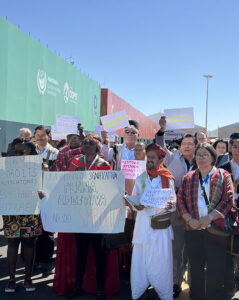
Supporters are being urged to break through barriers and converge on designated protest spots. But navigating these massive security grids is harder than ever. The administration has suspended mobile internet services in sensitive areas during past flashpoints, and similar communication clampdowns are expected to frustrate coordination among protestors on the ground.
You have to ask yourself what happens when an unstoppable political force meets an immovable security apparatus. History in the region suggests it leads to intense clashes, tear gas shelling, mass arrests, and a paralyzed local economy. Small business owners in Islamabad take the biggest hit every time these blockades go up. Revenue drops to zero, streets empty out, and public transport systems collapse.
What to Expect Next on the Ground
If you are currently in Islamabad or planning to travel through the region over the coming days, preparation is everything. Do not rely on normal travel schedules. Major highways connecting provincial hubs to the capital are facing sudden closures.
- Stock up on essentials if you live near potential flashpoints.
- Avoid major transit corridors, government enclaves, and public squares.
- Keep emergency contact numbers handy and monitor local news updates continuously for sudden route changes.
The political temperature in Pakistan remains at a boiling point. September 27 is shaping up to be a critical test of endurance for both the state and the opposition. Plan your movements accordingly and stay clear of the barricades.