International condemnation and economic trade bans used to matter. Today, they are treated as background noise in Jerusalem. Despite a historic wave of coordinated sanctions from twelve Western nations and a blunt British declaration that the West Bank occupation is unlawful, the Israeli government isn't backing down. Instead, it is doubling down on its most controversial land grab yet: the E1 corridor project.
If completed, E1 will slice the occupied West Bank in two, effectively killing any lingering prospect of a contiguous Palestinian state. But why is the Israeli government willing to risk diplomatic isolation and retaliatory measures from traditional allies just to build houses on disputed hillsides? The answer lies in a calculated gamble that facts on the ground will outlast temporary political penalties.
The E1 Corridor and the Anatomy of a Territorial Wedge
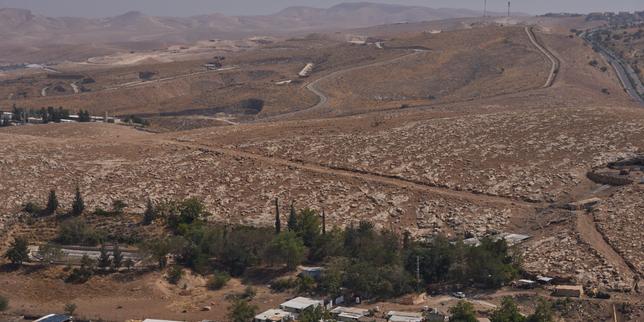
To understand why the E1 project is such a critical flashpoint, you have to look at a map. The E1 zone sits directly between Jerusalem and the sprawling settlement of Ma’ale Adumim. For decades, international planners warned that housing construction in this specific corridor would sever East Jerusalem from the rest of the West Bank, making a viable two-state solution physically impossible.
The Israeli government knows this better than anyone else. That is precisely why the project remains the ultimate prize for right-wing architects of the settlement movement. When officials launched tenders for over a thousand housing units in the area, it wasn't just a routine real estate announcement. It was a direct political challenge thrown in the face of international law.
Western Sanctions Cross a Line, But Israel Fires Back
The international response this September marked a sharp departure from decades of toothless diplomatic wrist-slaps. Led by the United Kingdom alongside France, Canada, and nine other European countries, a coalition announced sweeping trade restrictions targeting goods originating from illegal settlements. The UK went a step further, formally declaring the occupation unlawful and extending sanctions against radical settlers.
Israel's reaction was swift and furious. Rather than absorbing the diplomatic blow, the government retaliated immediately by ordering the closure of the British consulate in Jerusalem and restricting representatives tied to regional monitoring frameworks.
This friction exposes a deeper reality. For years, Western governments issued warnings while trade continued uninterrupted. Now that actual economic measures are on the table, the Israeli cabinet calculates that breaking diplomatic norms with European capitals is a small price to pay to secure permanent territorial control before any future political shifts occur.
What Happens Next on the Ground
Sanctions and trade bans take time to materialize into real-world economic pain, but concrete foundations are poured in a matter of months. Right-wing factions within the government view the current international pressure as a brief storm to weather. With thousands of new housing units moving from paper to actual construction phases, the physical transformation of the West Bank is accelerating faster than diplomacy can react.
The calculus in Jerusalem is simple. Once families move into homes across the E1 corridor, no foreign ministry will be able to reverse the geography. International declarations matter in courtrooms and diplomatic cables, but bulldozers write history on the ground.