Israelis are flooding the ballot boxes in numbers we haven't seen in half a century. If you’ve been watching the queues wrap around blocks from Tel Aviv to Jerusalem, you already know standard political fatigue doesn't apply here. This is an election charged by the immense gravity of post-October 7 realities.
By midday, the Central Elections Committee reported a staggering 31.5% turnout rate—the highest recorded at that hour in 53 years. By 2 p.m., that number smashed historical records to hit 44.9%, with nearly 3.3 million citizens casting their votes. When a country's electorate shows up like this, it means one thing. People feel like everything is on the line.
Why This Election Breaks the Mold
Voter apathy usually plagues mature democracies. People stay home. They complain about politicians on social media instead of showing up. But Israel’s 2026 Knesset election is entirely different.
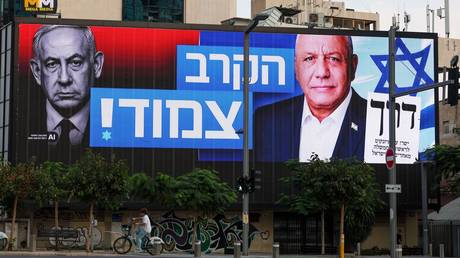
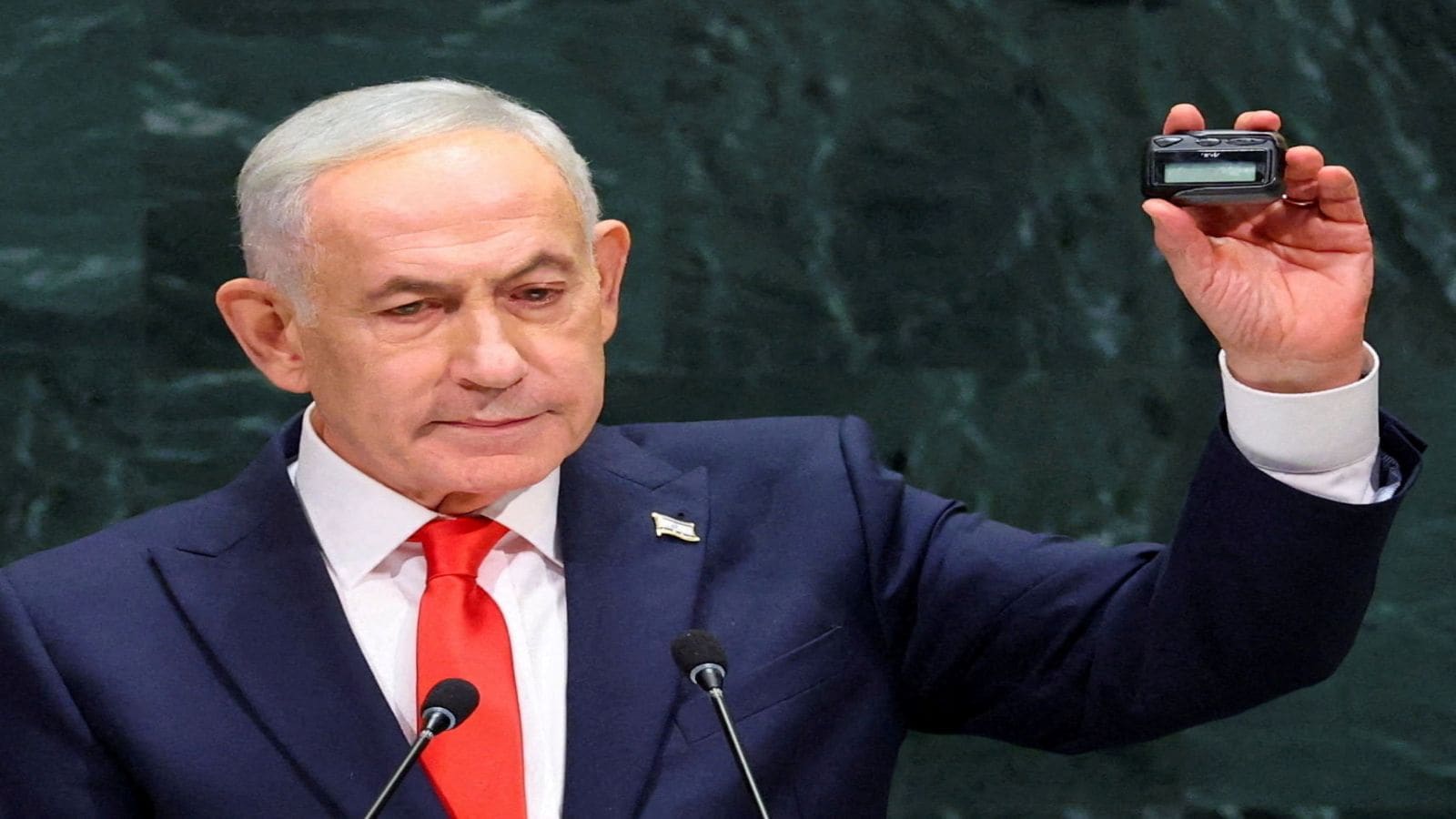
The political battle lines are stark. On one side stands longtime Prime Minister Benjamin Netanyahu and his Likud party, fighting to maintain control amid intense scrutiny over security and governance. On the other stands opposition leader Gadi Eisenkot, a retired lieutenant general and former chief of staff of the Israel Defense Forces, offering a sharp shift in direction.
Voters aren't treating this like a routine mid-term cycle. The trauma, the ongoing geopolitical fallout, and the future trajectory of the nation have converted casual observers into active participants. Even active-duty military personnel are participating at unprecedented rates, with nearly half of all serving soldiers having cast ballots early in the afternoon.
The Logistical Chaos of Massive Participation
When millions of people decide to vote all at once, systems break. Long lines formed outside polling stations hours after doors opened. The Central Elections Committee had to scramble, adjusting protocols on the fly. Officials permitted station workers to begin identifying the next voter in line while someone else was still inside the voting booth just to keep the lines moving.
Authorities also issued clear notices that anyone standing in line by 10 p.m. would be guaranteed the right to cast a ballot. It's messy, chaotic, and entirely organic.
What This Means Moving Forward
High turnout usually signals a mandate for change or an aggressive defense of the status quo. No one is sitting on the fence. Whether the final tallies favor Netanyahu's continuation or bring Eisenkot into power, the sheer volume of participation strips away any doubt about public legitimacy. The Israeli public has spoken loudly, clearly, and in historic numbers.
Get ready for a transformed political landscape once the dust settles. The outcome will ripple far beyond local borders, impacting everything from regional stability to diplomatic relations with Washington. When a democracy flexes this hard, the shockwaves are inevitable.