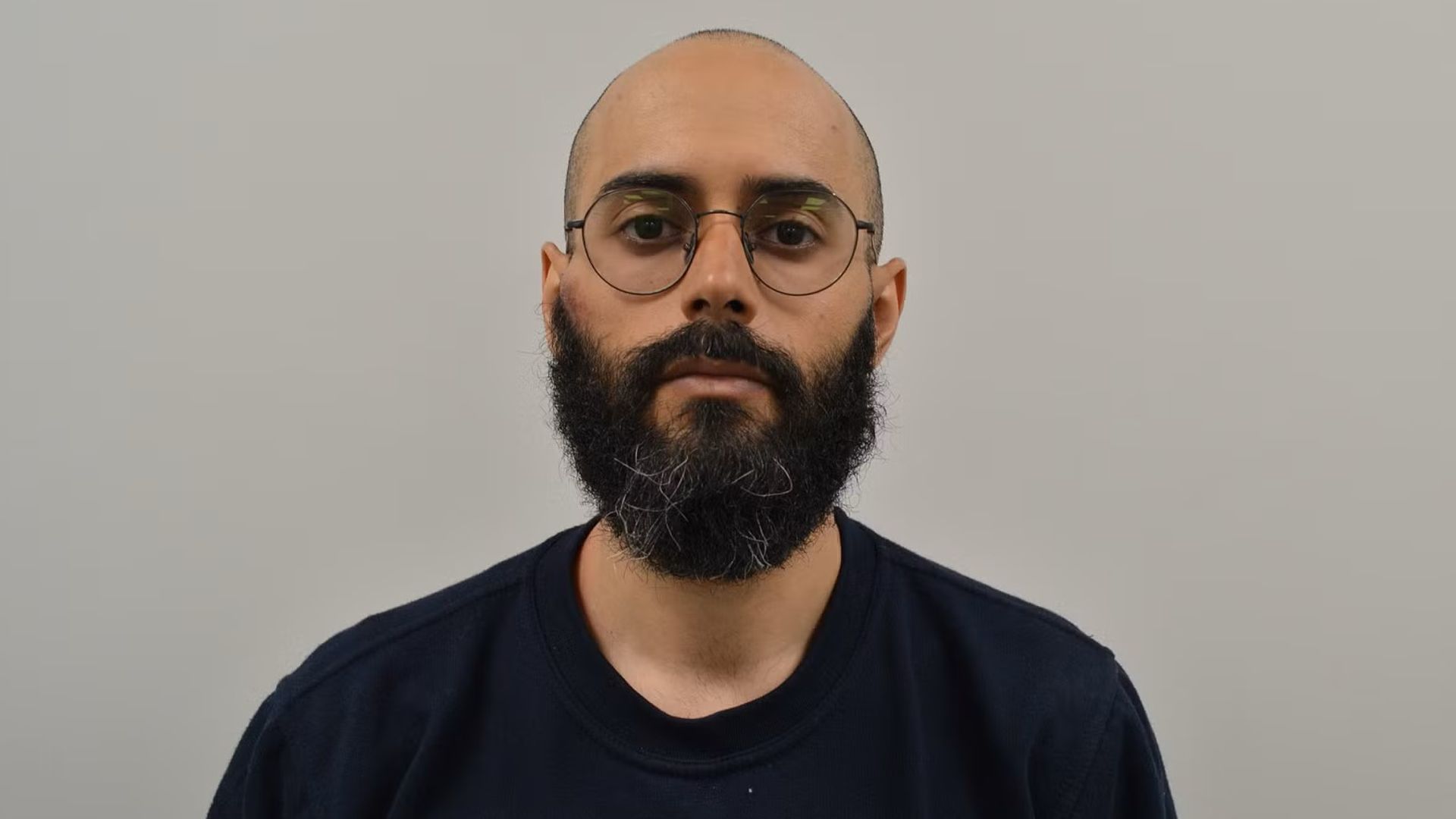
Security outside diplomatic missions rarely gets tested in real time, until it actually happens. When 34-year-old Abdullah Albadri scaled the fence of the Israeli embassy in Kensington Palace Gardens, he wasn't making a random statement. He carried two serrated knives, a handwritten martyrdom note, and a clear objective. Now sentenced to life imprisonment with a minimum term of 20 years, the case forces a hard look at diplomatic protection, immigration screening loopholes, and how lone-actor threats unfold on British streets.
The Anatomy of a Failed Embassy Breaching Attempt
The timeline of April 28 shows how fast security can shift from routine patrol to active defense. Albadri walked for an hour from Kilburn in north-west London, concealing his identity under dark sunglasses and a red-and-white headscarf. He arrived at the embassy perimeter just before 6 pm, flashed a salute gesture, and hauled himself up the 8-foot-high metal fence.
Seconds determined the outcome. Armed diplomatic protection officers, stationed specifically to counter high-threat environments, reacted instantly. Officers like Pc Libby Chessor noted that pulling Albadri down was physically challenging because he gripped the railing with fierce determination.
Had those officers hesitated for even three seconds, Albadri would have crossed the threshold into the embassy compound with two 4-inch serrated blades. The split-second intervention prevented what could easily have been a mass casualty or hostage incident.
Unpacking the Offender Background and Radicalization Signals
Albadri was born into the stateless Arabian Bedoon tribe in Kuwait. He entered the UK twice via small boats crossing the Channel—first in 2021 and again in April 2025. Having had his asylum claims rejected, he found himself in the grey zone of immigration enforcement, homeless and drifting before organizing his violent plot.
During the Old Bailey trial, the defense attempted to frame the weapons as tools for personal safety due to homelessness, or argued that the trip was merely a vocal protest. The jury didn't buy it. Body-worn video footage captured Albadri shouting admissions to arresting officers:
- "I wanna make a crime inside there, why are you stopping me?"
- "They need to stop this f**** war on children."
He had even sent a photograph of his handwritten martyrdom note alongside a knife to his mother hours before the attack. The combination of ideological grievance regarding the conflict in Gaza, personal displacement, and easy access to urban targets created a textbook profile of a radicalized lone actor.
The Broader Impact on Diplomatic Security in London
London hosts hundreds of embassies, high commissions, and international missions, making it one of the most diplomatically dense cities globally. Protecting every perimeter against a determined individual with a knife is an operational nightmare.
Following the trial conclusion and life sentence handed down by the Old Bailey, Counter Terrorism Policing (CTP) London confirmed that security reviews around high-risk missions are ongoing. Helen Flanagan, head of CTP London, emphasized that the sentence reflects the severe danger posed on that day and the total lack of remorse shown by the perpetrator.
The incident highlights a persistent vulnerability. Open urban spaces surrounding diplomatic buildings allow potential attackers to get physically close to barriers before intervention occurs. While armed police successfully neutralized this threat, intelligence agencies face continuous pressure to track failed asylum seekers or undocumented individuals who slip into radical networks or radicalize in isolation.
What This Means Moving Forward
Incidents like this change the calculus for urban counter-terrorism. Physical infrastructure matters, but human vigilance remains the final shield. Response times measured in single-digit seconds separate a tragedy from a thwarted attempt.
As courts hand down strict life sentences with substantial minimum terms, the legal system signals zero tolerance for ideologically motivated violence targeting foreign missions on British soil. Security protocols around diplomatic zones will inevitably tighten further, but managing the threat of self-initiated, grievance-driven attacks remains one of the hardest challenges facing modern law enforcement.