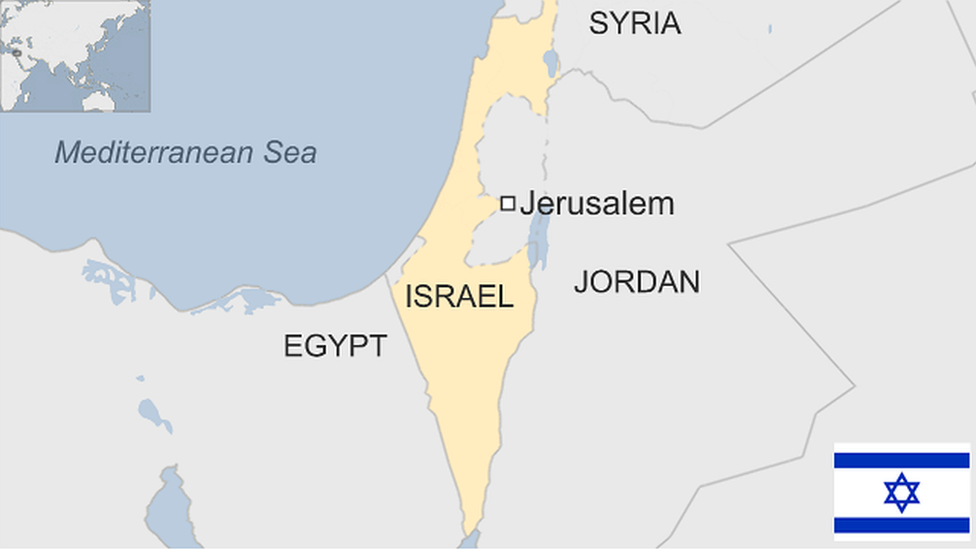
Israel is heading to the polls on October 27, 2026, under a weight of societal fracture and regional crisis that makes this election fundamentally different from any that came before. If you think this is just another routine ballot for Benjamin Netanyahu's political survival, you're missing the broader picture. Three years after the October 7, 2023 attacks, the country's political identity, economic stability, and security doctrine are hanging by a razor-thin thread.
Let's look past the campaign posters and campaign spin. What are the core fault lines driving voters to the ballot boxes, and how do the leading candidates pitch their solutions to a weary public?
The October 7 Accountability Vacuum
You cannot understand the 2026 Israeli election without looking backward. The shadow of October 7 still looms over every single debate, rally, and kitchen table conversation across the country.
To this day, Benjamin Netanyahu's government has refused to establish a formal state commission of inquiry into the security and intelligence failures that allowed the Hamas-led attacks to unfold. Critics, including his primary challenger Gadi Eisenkot, point directly to this refusal as a sign of institutional cowardice. Families of victims and thousands of protesters who filled the streets of Tel Aviv aren't just angry about the past; they're terrified that a government unwilling to investigate its own failures is bound to repeat them.
Netanyahu counters these criticisms by arguing that distractions during wartime jeopardize national survival. He frames any internal investigation as a partisan weapon designed to unseat a democratically elected administration mid-conflict. Yet, the public isn't entirely buying the excuse. Voters know that accountability is missing, and it's shaping how they cast their ballots.
The Conscription Crisis and the Ultra-Orthodox Divide
For decades, Israel's ultra-Orthodox (Haredi) population enjoyed sweeping exemptions from mandatory military service to focus on full-time Torah study. Today, that arrangement has become a powder keg.
With the military stretched thin across multiple fronts, including ongoing conflicts in Gaza and the north against Hezbollah, secular and moderate Israelis are shouldering an unprecedented burden. Reservists are being called up for multiple tours, straining families and crushing small businesses.
Opposition leader Gadi Eisenkot has drawn a hard line in the sand, stating that any future coalition partner must agree to universal military service. This stance directly challenges the ultra-Orthodox parties that have historically served as the bedrock of Netanyahu's right-wing coalitions. Parties like Shas and United Torah Judaism refuse to budge on the draft exemptions, creating a mathematical and political nightmare for anyone trying to cobble together the 61 Knesset seats needed to govern.
The Battle Over Judicial Independence
Before the wars erupted, Israel was locked in a bitter civil clash over judicial reform. Netanyahu's right-wing coalition pushed aggressively to curb the powers of the Supreme Court, sparking mass protests that paralyzed the nation for months.
While the most radical proposals were shelved as national security took center stage, the ideological battle never died. Opponents view the judicial overhaul as a direct assault on Israeli democracy, arguing that checks and balances are the only thing protecting minority rights and government accountability. Netanyahu's base, on the other hand, insists that an activist Supreme Court has consistently overstepped its bounds, usurping the will of elected lawmakers.
This fault line runs straight through the current legal challenges Netanyahu faces. With corruption charges hanging over his head at home and an arrest warrant from the International Criminal Court hanging over him internationally, the status of the judiciary remains personal, political, and entirely unresolved.
Economic Pressures and Ballooning Defense Budgets
Walk down any market street in Tel Aviv or Jerusalem, and you'll hear the same complaint: everything costs too much.
Israel's economy is feeling the severe pinch of a doubled defense budget since 2023. Soaring military expenditures mean fewer resources for public infrastructure, education, and healthcare. At the same time, modest wages are failing to keep pace with inflation.
Netanyahu's campaign points to his long history of championing free-market reforms and his strong international alliances, including endorsements from figures like Donald Trump, as proof that he alone can stabilize the economy. Some fringe proposals from his circle—like exploring cryptocurrency to bypass economic sanctions—have raised eyebrows, but his supporters remain loyal to his brand of economic nationalism. Meanwhile, the opposition argues that reckless governance and prolonged regional isolation are the true drivers of Israel's financial squeeze.
The Competing Visions of Netanyahu and Eisenkot
At the center of this election are two vastly different political heavyweights offering contrasting paths forward.
Benjamin Netanyahu, Israel's longest-serving prime minister, is running on a platform of unyielding security and "total victory." His base sees him as an indispensable shield against existential threats, pointing to his decades of political survival as proof of resilience. He promises to maintain security zones, disarm hostile actors, and push forward with contentious settlement projects like the E1 initiative east of Jerusalem, regardless of international condemnation.
On the other side stands Gadi Eisenkot, the former military chief of staff who leads the centrist Yashar party. Eisenkot is positioning himself as the pragmatic, honest alternative. Hailing from a working-class Mizrahi background, he projects a stark contrast to the traditional political elite. Yet, his military past is complex; as the architect of the controversial Dahiyeh Doctrine during the 2006 Lebanon war, he is no dove. Eisenkot rejects a formal two-state solution, calling it unviable post-October 7, but he also opposes the full annexation of the West Bank, warning it would destroy Israel's security.
With polls showing a tight race and the opposition parties signing non-aggression pacts to maximize turnout, the math for a stable government looks grim for everyone involved. No single leader is walking away with a clear mandate.
The ballots cast on Tuesday won't just pick a prime minister. They will decide whether Israel continues down a path of nationalist confrontation or attempts a precarious, fractured pivot toward internal reform. Take a close look at how these coalitions shake out, because the ripple effects will reshape the Middle East for the next decade.