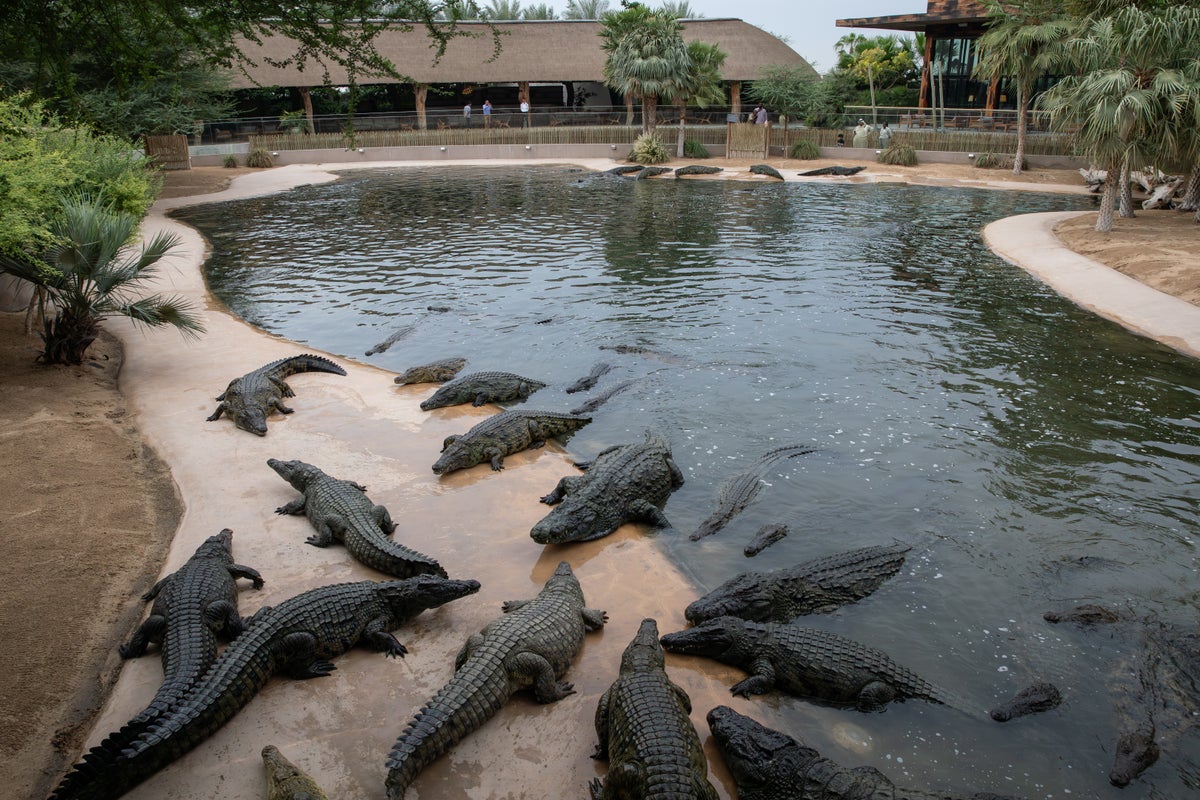
An Israeli court just pressed pause on one of the strangest penal security proposals in recent memory. National Security Minister Itamar Ben-Gvir wanted to surround Ketziot Prison in the Negev desert with crocodile-infested moats to prevent escapes. Now, that plan is frozen. But the legal roadblock didn't come from human rights concerns over the thousands of Palestinian detainees held inside. It came from animal welfare advocates worried about the reptiles.
How the Crocodile Prison Plan Unfolded
The idea first surfaced months ago, sparking international attention and comparisons to speculative fiction. Ben-Gvir pushed for a high-security overhaul of Ketziot Prison, a facility holding numerous Palestinian detainees from Gaza. The blueprint involved digging deep trenches and populating them with Nile crocodiles to serve as a living deterrent.
To make it happen, Environmental Protection Minister Idit Silman signed an administrative order in mid-July reclassifying Nile crocodiles from "protected wild animals" to "tended wild animals." That single legal pivot removed the primary hurdle preventing government bodies from keeping the reptiles in security installations. The National Security Ministry reportedly allocated 21 million shekels—roughly $6.9 million—for the pilot project, and digging equipment immediately went to work in the desert sand.
The Legal Challenge That Stopped the Work
While infrastructure crews started carving out the moats, opposition brewed within government environmental agencies and advocacy groups. Legal advisers at the Environmental Protection Ministry and experts at the Israel Nature and Parks Authority warned that the reclassification lacked scientific backing and exposed both the animals and prison staff to severe hazards.
The Israeli animal rights group Let the Animals Live, alongside the Environmental Justice and Animal Rights Clinic at Tel Aviv University, took direct legal action. They filed an administrative petition at the Jerusalem District Court challenging the ministerial order.
Judge Avraham Rubin responded by issuing a temporary injunction. His ruling barred authorities from taking any further steps to transfer crocodiles to the prison until the state responds. The court explicitly noted that claims regarding expected harm to the crocodiles warranted a formal investigation, freezing the controversial project while leaving the legal battle open until mid-August.
Why the Focus Landed on Animal Welfare
The court's intervention drew immediate scrutiny because of its narrow legal focus. Palestinian and international human rights organizations have repeatedly condemned conditions inside Israeli detention facilities since the escalation of the conflict. Groups like Human Rights Watch and local advocacy centers have documented severe overcrowding, medical neglect, and allegations of systemic abuse affecting roughly 9,500 Palestinian prisoners.
Yet, the court challenge that successfully halted the physical transfer of the animals bypassed the treatment of the detainees entirely. Instead, it targeted the administrative shortcut used to bypass wildlife protection laws and the physical risks posed to the crocodiles themselves in a desert prison environment.
The state now faces a strict deadline to defend the legality of the reclassification and the safety provisions of the project. Until the court reviews the government's response, the trenches at Ketziot remain half-dug, and the crocodiles stay put.