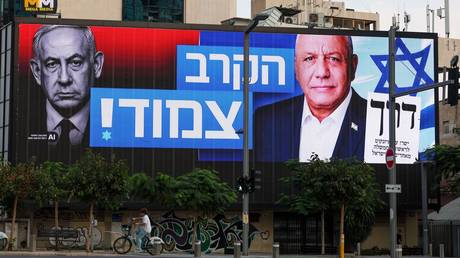
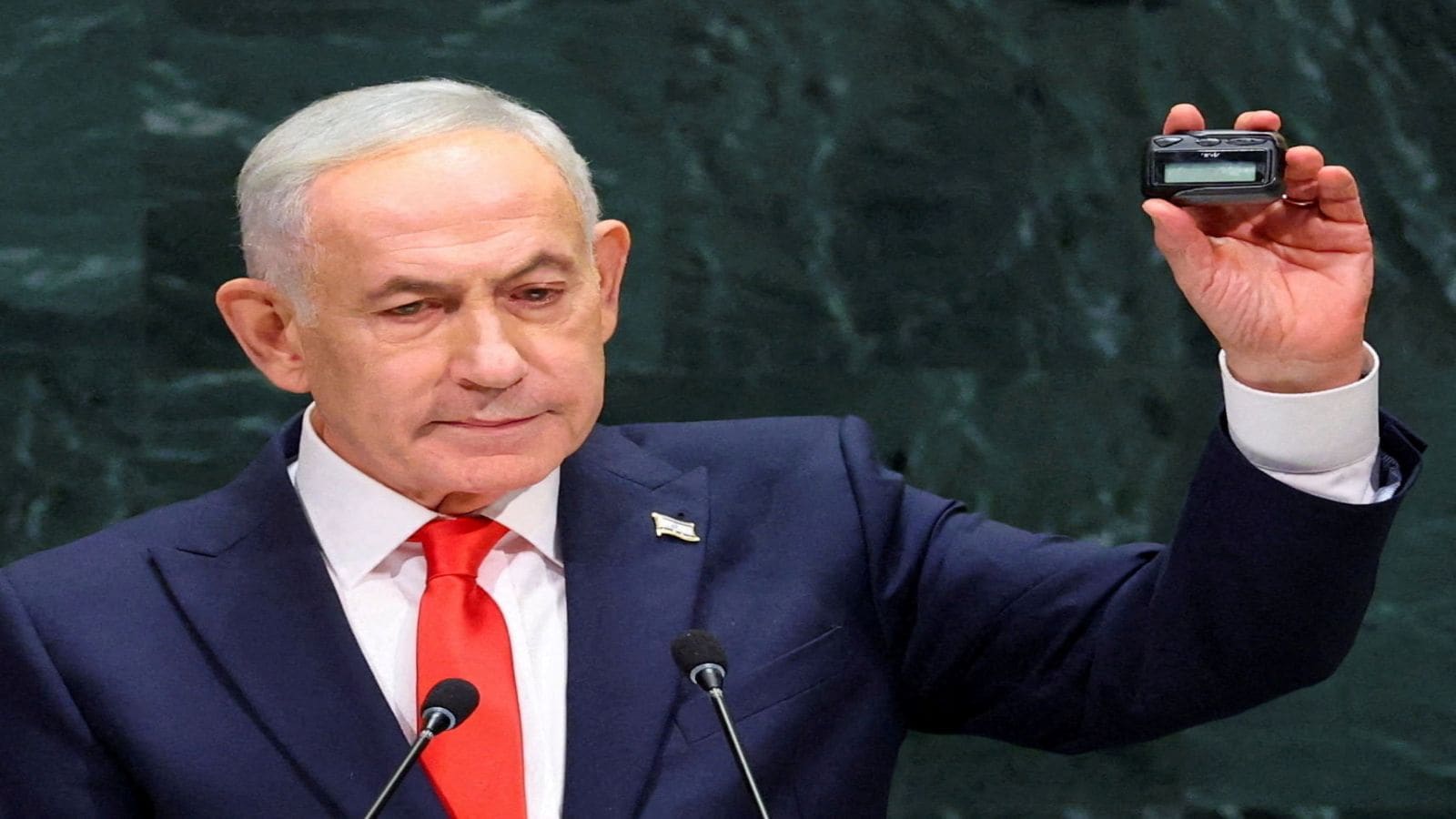
Millions of Israeli citizens are heading to the ballot boxes under the heavy shadow of regional war, economic strain, and intense political division. Over 7.3 million eligible voters hold the future of the nation in their hands as polling stations remain open across the country. If you've been watching the polls, you already know this race is too close to call.
The political battle lines are starkly drawn. On one side stands incumbent Prime Minister Benjamin Netanyahu, fighting to retain his grip on power through his Likud party. On the other side is Gadi Eisenkot, the former Israel Defense Forces Chief of Staff leading the Yashar party and heading a formidable opposition bloc. Surveys point straight to a dead heat.
The Stakes of a Divided Electorate
Voters aren't just picking a party today; they're deciding how the country handles its immediate security and economic future. Talk to everyday citizens in Jerusalem or Tel Aviv, and you'll hear deep anxiety mixed with fierce determination.
Voters like 23-year-old Leonite aren't holding back their frustrations. Stepping out to cast his ballot against Netanyahu, he pointed directly to skyrocketing supermarket prices, deep-seated economic monopolies, and the crippling financial costs of ongoing military conflicts. When basic groceries break the family budget while state funds pour into endless defense spending, people notice.
At the same time, security remains the anchor of Netanyahu's campaign. He's warning voters that any alternative is a weak left-wing coalition that might rely on Arab parties to govern. It's a classic survival strategy that plays heavily on fears of external threats and political instability.
Eisenkot and the Shadow of October 7
Gadi Eisenkot is running an aggressive campaign centered squarely on accountability. By invoking the memory of the October 7, 2023, massacre—reminding voters to remember the exact hour of 06:29—he's positioning himself as the antithesis of the current administration. His platform demands an independent commission of inquiry and paints Netanyahu's leadership as a liability for national security.
You can see why this message resonates with a war-weary public. Pascal, a resident who has lived in Israel for seven years, summed up the mood of many voters who simply want quiet after years of continuous conflict. The exhaustion is real, and it's driving high voter turnout despite the cynicism surrounding political promises.
What Happens After the Ballots Close?
Once the dust settles and the votes are tallied, the real political maneuvering begins. President Isaac Herzog will step in to consult party leaders. The lawmaker tasked with forming a government faces a grueling 28-day window to cobble together a coalition, with a possible 14-day extension.
Coalition math in Israel is rarely simple. If the primary candidate fails, the mandate shifts, opening the door for another party leader to try their hand at building a majority. In a parliament where every single seat counts, fringe parties hold massive leverage, which often leads to volatile governing partnerships.
Your vote really does mean a lot when margins are this razor-thin. Whether this election ushers in new leadership under Eisenkot or extends Netanyahu's long tenure, the outcome will reshape domestic policy, foreign alliances, and the daily reality of millions living through a turbulent era. Keep your eyes on the coalition talks, because the real drama starts the moment the polls close.