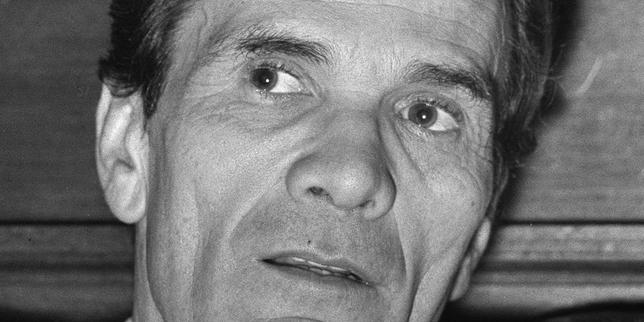
Fifty-one years after a brutal killing shocked the cultural world, Italian authorities are taking another look at the death of filmmaker and writer Pier Paolo Pasolini. Rome prosecutors officially reopened the case following a fresh legal petition presented by lawyer Stefano Maccioni. It is a massive development in one of modern Italy's most enduring and controversial unsolved mysteries.
Pasolini was found brutally beaten and run over by his own car on a desolate beach in Ostia on November 2, 1975. At the time, a 17-year-old named Giuseppe "Pino" Pelosi was caught driving the vehicle and confessed to the crime, claiming it happened after a sexual altercation turned violent. Pelosi served time in prison, but the official story never satisfied historians, friends, or investigators looking for deeper political motives.
Now, fresh archival findings and new evidence submitted by the defense have convinced the Rome Public Prosecutor's Office, specifically deputy prosecutor Silvia Santucci, to launch a brand-new inquiry. Previous requests to reopen the files in 2016 and 2023 were flatly rejected. This time, things feel different.
The Flawed Original Narrative
Let's be honest about what happened in 1975. The initial investigation was rushed, sloppy, and riddled with institutional blind spots. Pelosi confessed under pressure, but he later recanted his story entirely in 2005. He admitted that three unidentified men speaking with Sicilian accents had actually carried out the attack while shouting insults at Pasolini for his political views and lifestyle.
Despite these glaring discrepancies, the Italian judicial system locked in on a tidy, convenient narrative: a lone juvenile delinquent acting in self-defense. It ignored the glaring physical evidence. Pasolini's body showed horrific signs of defensive wounds, broken bones, and trauma that one teenager could hardly have inflicted alone.
Why This Case Still Haunts Italy Today
Pasolini wasn't just a brilliant director or poet. He was an outspoken, fearless intellectual who criticized political corruption, consumer capitalism, and hypocrisy in high places. His final film, Salò, or the 120 Days of Sodom, released shortly after his death, was a scathing indictment of fascism and power.
Because of his relentless truth-telling, many Italians believe his death was a political assassination orchestrated by powerful figures who wanted him silenced permanently. Every few years, new witnesses or forgotten tips resurface, reminding the public that justice was never truly served.
Stefano Maccioni and his team, representing figures like director David Grieco and writer Giovanni Giovannetti, submitted new complaints backed by recently surfaced archival materials. They hope this fresh push will finally pierce through decades of state cover-ups and institutional silence.
What Happens Next
The road ahead is difficult. More than half a century has passed, and many of the original witnesses, suspects, and investigators have died. Pelosi himself passed away from cancer in 2017 without ever revealing the full truth.
Yet, this reopening provides a glimmer of accountability. Maccioni has issued a direct public appeal urging anyone with hidden knowledge or lingering secrets to come forward while they still can.
If you're following this case, watch how the Rome prosecutor's office handles the newly submitted archival data. The truth may be buried under decades of dust, but Italy is finally willing to dig.