For centuries, the rhythm of Italy’s countryside was set by a predictable clock. September meant the vendemmia—the grape harvest. Families gathered in the cool autumn air, snipping heavy clusters of nebbiolo, sangiovese, and glera off the vines. That clock is broken. Today, tractors roll through Italian vineyards in August, and sometimes even late July, chasing grapes that are maturing faster than winemakers can keep up.
If you've paid attention to European agriculture lately, you know this shift isn't a random anomaly. It’s the new normal. Scorching summer heatwaves, prolonged dry spells, and shifting weather patterns have pushed Italy’s grape harvest significantly earlier across nearly every major wine region. Winemakers aren't just adjusting their schedules; they're fundamentally rewriting how they manage the land. Recently making news in this space: Why Authentic Fried Fish Tacos Deserve A Spot In Your Weekly Rotation.
The Shrinking Window in Franciacorta and Beyond
Take Franciacorta, the northern region famous for its sparkling wine. Producers there recently found themselves kicking off their harvest roughly ten days earlier than historical averages. Workers fan out across the rows long before dawn, scrambling to clip grapes before the scorching daytime sun spikes sugar levels and ruins the balance needed for world-class sparkling wine.
When you get weeks of intense heat combined with below-average rainfall, the biology of the grapevine goes into hyperdrive. Sugar accumulates rapidly while acidity drops off a cliff. If you wait too long, you end up with flabby, overripe fruit that makes high-alcohol, unbalanced wine. More insights into this topic are covered by Vogue.
This forces a frantic operational scramble. Estates don't have the luxury of waiting for a leisurely September weekend anymore. When the lab tests show the grapes are hitting peak ripeness, the word goes out, and picking happens immediately. Sometimes, it happens entirely at night under artificial lights just to keep the fruit cool.
Rethinking the Vineyard Floor
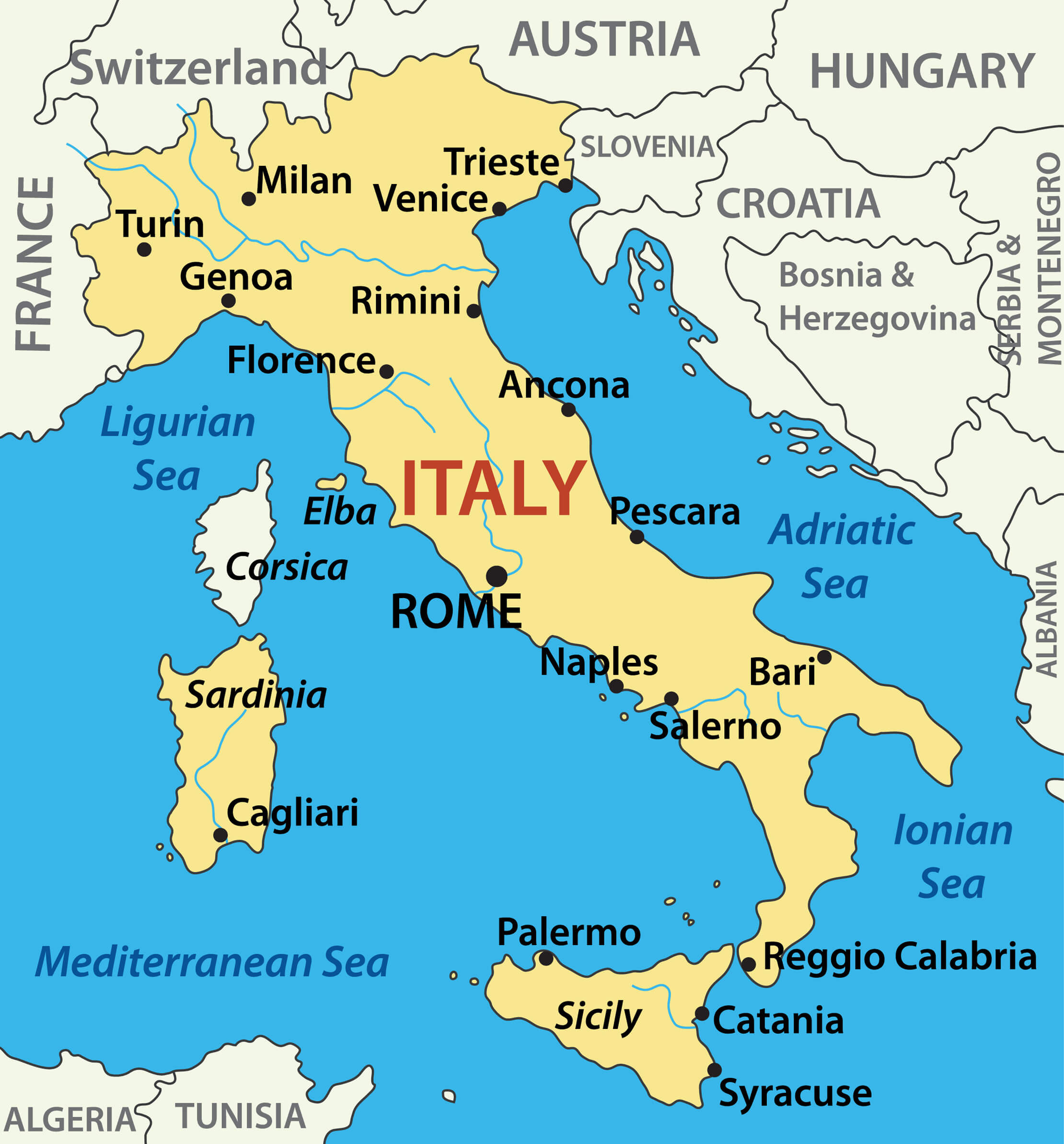
You can't fight basic physics with tradition. Forward-thinking estates across Tuscany, Piedmont, and Sicily are changing what they plant and how they train their vines to survive the heat.
Some producers are abandoning south-facing slopes that bake in the direct afternoon sun, moving their vines to higher altitudes where cooler mountain air preserves vital acidity. In Trentino, Chardonnay and Pinot Noir vineyards are creeping higher up valleys, sometimes reaching elevations near 600 meters to escape the lowland heat.
Others are changing the varieties themselves. Instead of clinging blindly to historical grapes that struggle in extreme warmth, winemakers are experimenting with late-ripening indigenous varieties or adjusting their canopy management. By leaving more leaves on the vine to shade the grape clusters, growers can stall the rapid ripening process, buying back precious days or even weeks of hang-time.
What This Means for Your Glass
An earlier harvest changes what you taste in the bottle. Wines are creeping up in alcohol content because of those extra sugars packed into the sun-drenched grapes. Maintaining freshness, tension, and aromatic complexity requires serious technical skill in the cellar.
Consumers used to lighter, crisper styles are noticing richer, bolder profiles from regions that used to produce delicate, lean bottles. Winemakers have to work twice as hard during vinification to balance out the warmth of the vintage.
The romantic image of the leisurely September grape harvest belongs in a museum. Italy's wine producers are operating on a fast-forward timeline now, driven by rising temperatures and stubborn resilience. The next time you open a bottle of Italian white or red, remember the frantic night shifts and scorched summer days that brought it to your table.
Practical Steps for Wine Lovers
- Look to Higher Altitudes: Seek out bottles from cooler, higher-elevation sub-regions where grapes retain their natural acidity despite warmer summers.
- Support Adaptive Producers: Pay attention to winemakers investing in sustainable canopy management, night harvesting, and resilient grape varieties.
- Adjust Your Expectations: Understand that modern vintages will naturally lean toward richer textures and higher alcohol levels, requiring different food pairings than wines from thirty years ago.