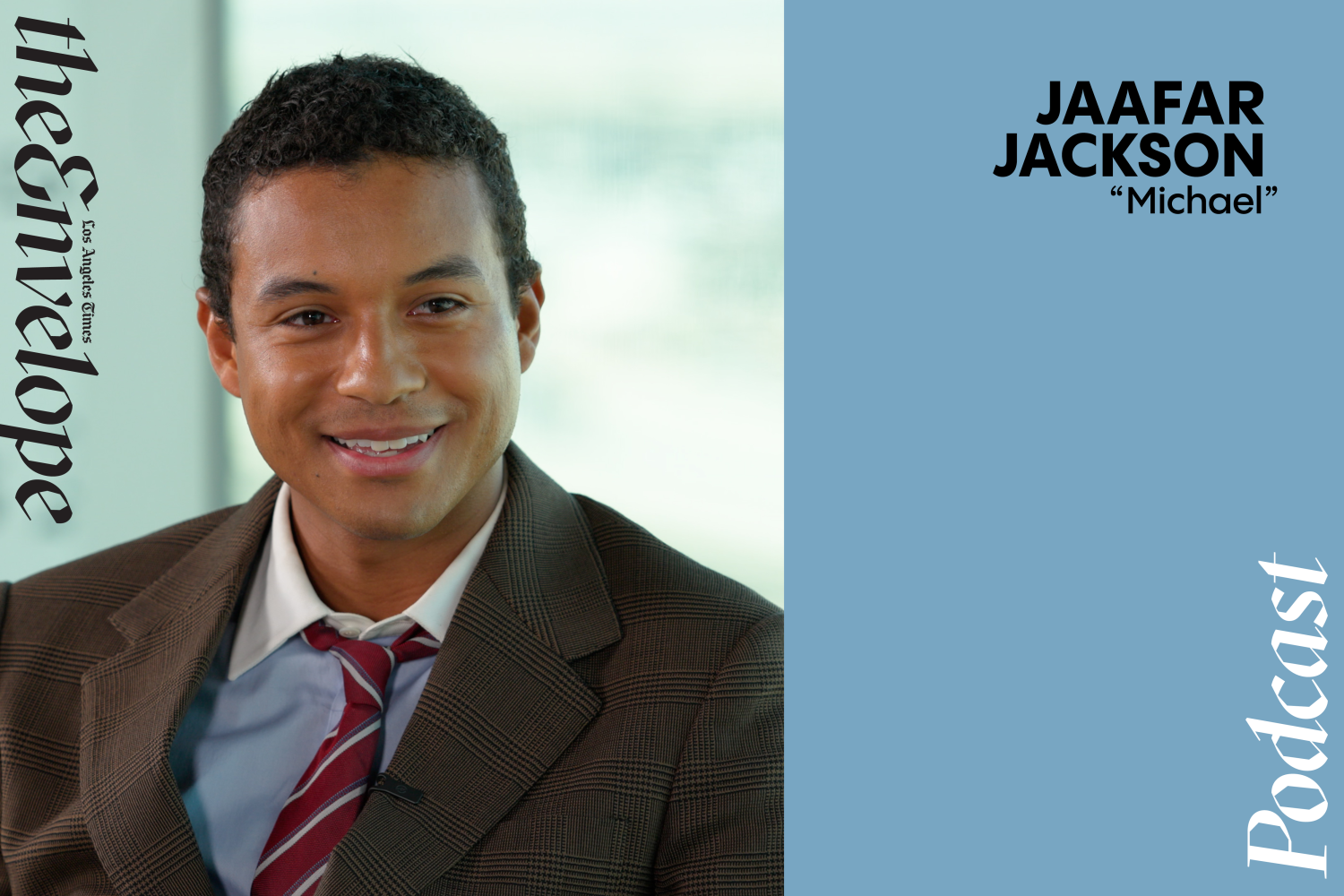
Playing your own uncle in a billion-dollar biopic sounds like a dream gig until you realize millions of people have spent decades memorizing every tilt of his fedora. Jaafar Jackson didn't wake up wanting to be a movie star, and he certainly didn't sign on easily to play Michael Jackson in Michael.
When producer Graham King started talking to him, Jaafar had never acted a single day in his life. He had no acting reel, no drama school training, and zero plans to chase Hollywood auditions. Watching him pull off a performance that helped push the film past $1 billion at the global box office after its April 2026 release makes the whole thing look effortless in hindsight. Honestly, it wasn't. It took years of quiet hesitation, a random voice note, and a whole lot of nerve to get there.
How Jaafar Jackson Found His Way Back to Music Before Acting
People assume growing up a Jackson means you're born with a microphone glued to your hand. In Jaafar's case, his first real obsession wasn't pop music at all.
He started out in golf around age three, tagging along with his dad, Jermaine Jackson, tossing balls at the range before he could even swing a club properly. By four or five, he was learning fundamentals with a coach and spending hours hitting balls. He played basketball, ran track, and even tried tackle football until a broken wrist nudged him back to golf as a safer bet for his body.
Music pulled him back around age thirteen, not through some grand family coronation, but because his dad brought him into a recording studio. Watching a song come together from scratch—working out melodies on a piano, building lyrics, stepping into the booth—flipped a switch. Jermaine pushed him to learn a Jackson 5 song with his younger brother and perform it live within two weeks, picking a track like "Touch." Jaafar knew he could hold a pitch, yet singing under real pressure made him nervous. Still, that two-week trial by fire hooked him on songwriting and studio craft.
From Reluctant Actor to a Two-Year Audition Process
When Graham King approached Jaafar, the conversation didn't start with a dramatic pitch asking him to play the King of Pop. King asked what Jaafar wanted to do with his life and what he was working on. Being honest came easy: Jaafar liked movies, sure, but acting had never been on his radar.
Things shifted a couple of months later when Jaafar sent King a voice note out of nowhere, speaking in Michael's voice. King called right away, told him it was unbelievable, and set him up with an acting coach the very next day. That first session—working through exercises and a monologue—was nerve-wracking, yet it gave him a spark he hadn't expected.
Still, there was no shortcut handed over just because of his last name. The audition and preparation stretch lasted roughly two years. If you think family ties guarantee an easy ride in Hollywood, look at how O'Shea Jackson Jr. had to earn his spot playing Ice Cube in Straight Outta Compton. Having the bloodline gets you in the room or sparks curiosity, yet cameras don't care about family trees if you can't hold a scene.
Living Inside the History Without Losing Yourself
Playing a real relative carries a weird emotional weight that standard biopic prep doesn't touch. Jaafar knew his grandfather, Joseph Jackson, in real life—and suddenly he had to play intense dramatic scenes opposite Colman Domingo, who portrays Joseph in the film. That kind of overlap is surreal, even dizzying.
To get past surface imitation, Jaafar dug into Michael's personal writings, journals, poems, and affirmations. Putting affirmations on walls and mirrors helped him understand the mindset behind the art rather than just copying facial ticks. He also spent time at the family's Hayvenhurst history, including a dance room where Michael trained, trying to absorb the atmosphere without forcing anything.
Then came the physical grind. Re-creating iconic moments like the Motown 25 performance or "Bad" isn't just about knowing choreography; it's about muscle memory and stamina. Jaafar pointed out a detail most fans miss: his natural balance makes him spin to his right, whereas Michael spun to his left. Rewiring that instinct took years of repetition before it clicked consistently right before filming.
Why This Biopic Hits Differently During Awards Season
With the film crossing roughly $1.029 billion worldwide in 2026 under director Antoine Fuqua and writer John Logan, the conversation has shifted from box office curiosity to awards buzz—something highlighted when Jaafar sat down with Mark Olsen and Yvonne Villarreal on The Envelope podcast.
Here's what I think makes his arc worth paying attention to, especially if you're trying to tackle something intimidating in your own creative or career life:
- Start small before committing to the leap. Jaafar didn't swear a blood oath to acting on day one; he tried a single coaching session and sent a low-stakes voice note to test the waters.
- Separate heritage from habit. Growing up around The Jacksons, Janet Jackson, and Michael Jackson gave him exposure, not automatic mastery. You still have to build your own technique from scratch.
- Hunt for the "why" beneath the surface. Mimicking a voice or dance move gets old fast. Reading journals and studying intent gives a performance—or a project—actual weight.
- Expect awkward physical unlearning. Changing how you move or think takes months of repetition, and feeling clumsy during practice doesn't mean you're failing.
If you're staring down a project that feels way too big for your resume right now, pick one low-pressure test you can do this week—a single practice session, a rough draft, or a candid conversation with someone who knows the craft—and see how it feels before you judge yourself.