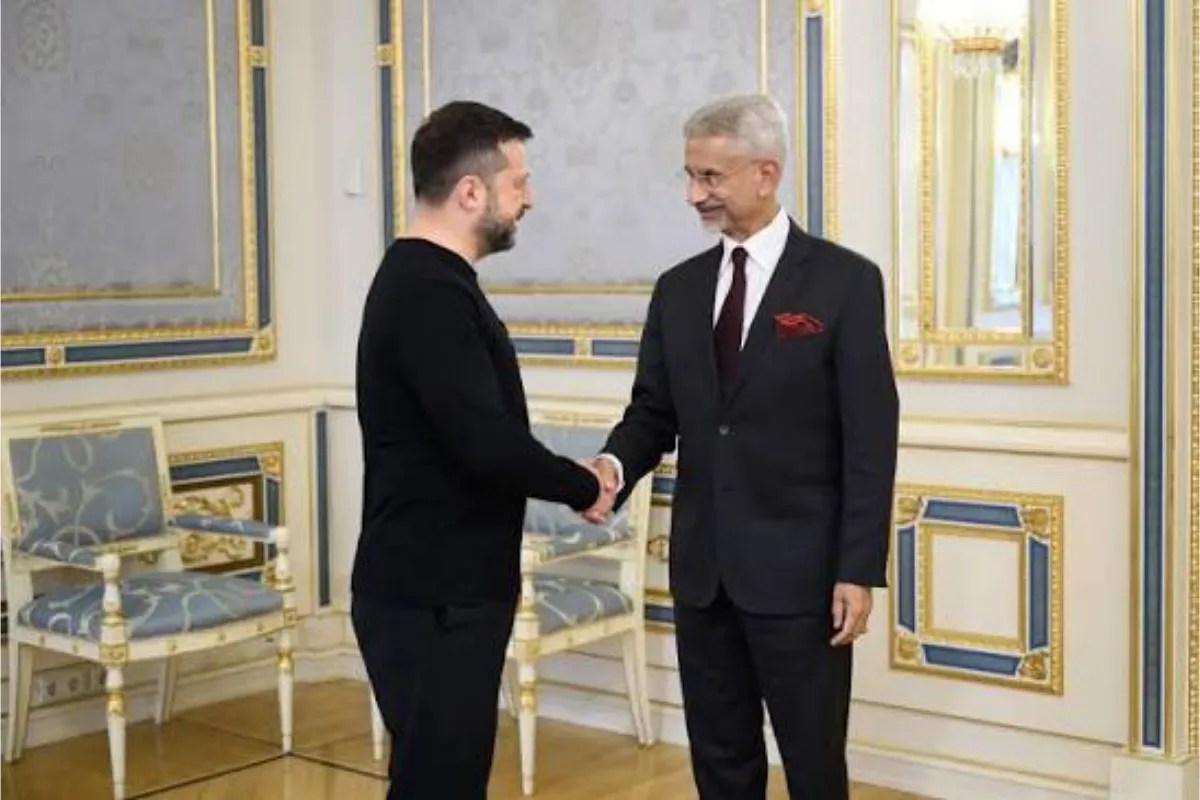
International diplomacy rarely moves in a straight line. When Indian External Affairs Minister S. Jaishankar stepped foot in Kyiv, it marked a rare diplomatic threshold. Most people miss the subtle currents beneath high-profile state visits. They look at handshakes and photo ops. Let us look at what this encounter actually means for global power dynamics, India's strategic balancing act, and the unfolding reality in Eastern Europe.
The Kyiv Visit That Everyone Misunderstands
Let's clear the air right away. For months, critics across Western capitals questioned New Delhi's tightrope walk between Moscow and the West. Critics wanted absolute alignment. Realpolitik doesn't work that way. When Jaishankar met with Ukrainian President Volodymyr Zelenskyy, it wasn't a sudden shift in loyalties. It was a calculated demonstration of independent foreign policy. For another perspective, read: this related article.
Zelenskyy openly expressed gratitude for India's commitment to finding a peaceful resolution. He highlighted New Delhi's consistent message that dialogue remains the only viable path forward. Yet, the timing carried dramatic undertones. Reports from the ground noted that even as high-level diplomatic talks proceeded inside Kyiv, the city faced ongoing air threats involving automated aerial vehicles.
Decoding the Strategic Subtext
Why does this meeting matter so much right now? Look past the diplomatic pleasantries. Related insight regarding this has been published by Reuters.
- India maintains historical, energy, and defense ties with Russia.
- Kyiv desperately needs Asian heavyweights to lean toward a credible peace framework.
- Global food security and Black Sea shipping lanes remain tied to continuous negotiations.
Zelenskyy explicitly pointed out the disruptions in the Black Sea grain corridors and maritime supply routes. When food logistics and commercial navigation take hits, inflation spikes globally. Developing economies bear the heaviest brunt of these disruptions. India has a direct stake in keeping maritime passages open and predictable.
The Reality of Multi-Alignment
Foreign policy isn't a team sport where you pick a side and ignore everyone else. It's a brutal chess match. Jaishankar has repeatedly articulated a simple truth: India can juggle multiple strategic partnerships without compromising its national interest.
When you look at the bigger picture, New Delhi isn't neutral; it's non-aligned with a distinct national preference. Standing firmly for peace while keeping economic lifelines open is an excruciatingly difficult balance to maintain. Yet, it's working. Kyiv acknowledges New Delhi's weight on the world stage. Moscow recognizes that India keeps channels open with everyone.
What Comes Next for Global Diplomacy
Don't expect overnight peace treaties because of a single ministerial visit. That is naive. What you can expect is a gradual hardening of diplomatic expectations. Major powers must define their terms for a lasting settlement. As traditional alliances fracture and reform, middle powers like India hold the cards that can bridge the East-West divide.
Keep an eye on maritime corridor security agreements over the coming months. If trade routes through the Black Sea stabilize, you will trace the quiet diplomatic groundwork straight back to these high-stakes engagements in Kyiv. Strategic patience beats knee-jerk reactions every single time.