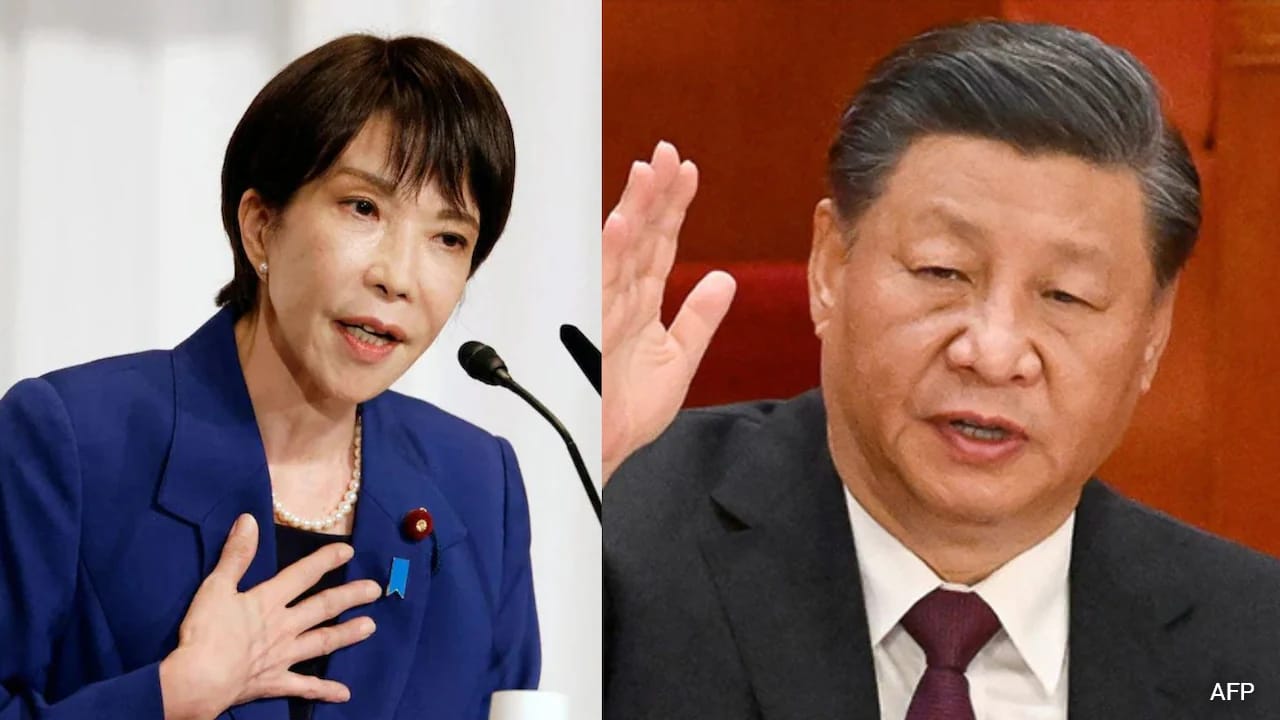
Tokyo is waking up to a reality it spent decades ignoring. For generations, Japan hid behind its pacifist constitution and outsourced heavy-duty foreign intelligence to Washington. That era is dead. With regional pressures mounting and foreign operatives treating the country like an open playground, the government under Prime Minister Sanae Takaichi is pushing to establish a centralized intelligence apparatus.
If you've followed Japanese defense policy at all, you know this is a massive shift. Japan is creating a National Intelligence Bureau to unify information channels that used to be hopelessly fractured across ministries. China is the primary catalyst here, but it's not the only headache. Tokyo is dealing with industrial espionage, relentless cyberattacks, and a glaring lack of legal tools to catch spies.
Why Japan Has Been a Spy Paradise
For decades, ex-Soviet intelligence officers and modern operatives alike called Japan a paradise for spies. They weren't exaggerating. Japan hasn't had an effective anti-espionage law. If you got caught stealing state secrets or corporate tech, the penalties were laughably weak compared to what you would face in the US or Europe.
Information was completely siloed. The Ministry of Foreign Affairs, the National Police Agency, and the Cabinet Intelligence and Research Office (Naichō) often operated in separate bubbles. They didn't share data well. Bureaucratic turf wars meant critical threat warnings frequently fell through the cracks.
External pressure changed the math. As Washington's reliability fluctuates and regional heavyweights like China, Russia, and North Korea ramp up gray-zone tactics, Tokyo can't afford to be blind anymore. Relying entirely on American intelligence intercepts leaves massive gaps, especially when Japan's specific national interests don't line up neatly with US priorities.
What the New Framework Actually Changes
The ongoing overhaul replaces old, toothless habits with centralized command. The plan centers around two main pillars: a National Intelligence Council to act as the ultimate policy command center, and the National Intelligence Bureau to handle hands-on operations.
Instead of leaving intelligence as a secondary duty for overworked bureaucrats, the strategy aims to build professional operational capabilities. Critics and strategists point out that copying the American CIA model straight out of a textbook would be a mistake. Figures like historian Edward Luttwak have argued that Japan needs an agency modeled more closely on British or Australian structures—deeply tied to diplomatic missions and staffed by people who actually speak foreign languages and understand foreign cultures. You can't just take a domestic career bureaucrat and turn them into a James Bond overnight.
The Roadblocks Ahead
Building a spy agency from the ground up sounds cool in headlines, but the execution is brutally difficult. Japan's legal framework still heavily protects privacy and restricts aggressive investigative powers. Without a strict anti-espionage law and foreign-influence transparency legislation, even the best-funded bureau will find its hands tied.
Public skepticism is another hurdle. Post-war pacifism runs deep in the Japanese electorate. Many citizens remain deeply uncomfortable with the idea of a secret state police or aggressive overseas intelligence gathering. The government has to prove this agency protects democratic infrastructure rather than infringing on domestic civil liberties.
Stop assuming pacifism means permanent passivity. Tokyo is rewriting its playbook because the geopolitical neighborhood is too dangerous for half-measures. Keep an eye on how the Diet handles the legal penalties for state-secrets theft over the coming months; that will tell you whether Japan's new spy apparatus has real teeth or is just paperwork.
Why Japan Is Building A Powerful New Spy Agency For First Time Since World War 2
This video provides an in-depth financial and news breakdown of Japan's historic national security overhaul and the creation of its new central intelligence agency.
http://googleusercontent.com/youtube_content/1