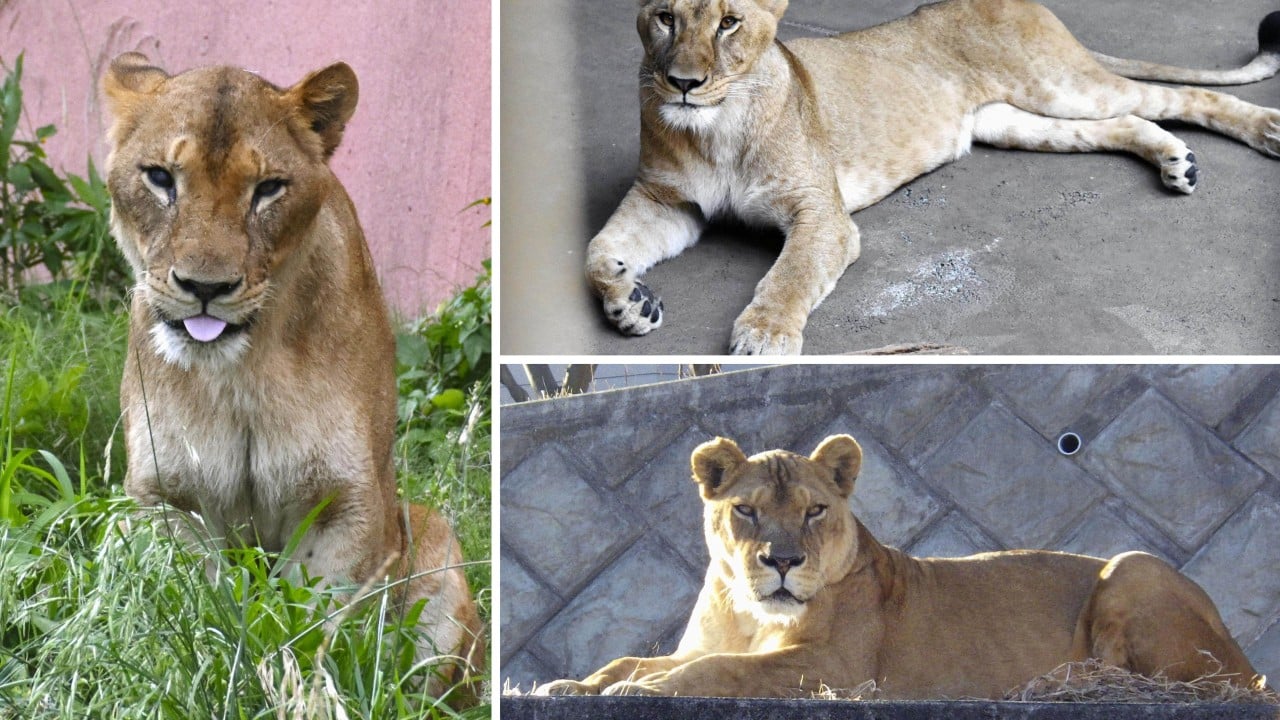
Three lions are dead. Tokyo's Tama Zoological Park lost three female lions to severe heatstroke and multiple organ failure after extreme temperatures slammed Japan.
People assume African lions handle heat easily. They don't handle Japanese humidity. That dangerous misconception is precisely what caught zookeepers and wildlife experts off guard as temperatures broke records across the country.
The Tragic Toll at Tama Zoological Park
The numbers tell a grim story. Out of 16 lions housed at the western Tokyo facility, 10 showed severe signs of heat stress starting in mid-July. Symptoms included drastic losses of appetite, extreme lethargy, and a complete drop in activity.
The zoo shut down its popular lion exhibit on July 23 to protect the animals and give them space. It wasn't enough.
- Mugi: A 3-year-old female, died on July 28.
- Ichigo: An 11-year-old female, died on Friday.
- Luena: A 15-year-old female, died on Sunday.
Autopsies confirmed all three suffered from acute dehydration and multiple organ failure. Several other lions remain under intensive medical care, with some too weak to even stand up. Zookeepers have been rushing intravenous fluids, medications, and setting up spot air conditioners to save the survivors.
Why African Lions Are Suffering in Tokyo
You might think big cats native to the African savanna are built for blistering heat. Think again.
Dry heat is entirely different from the thick, oppressive humidity found in Japanese summers. When the rainy season ended abruptly in late July, temperatures skyrocketed. Humidity traps body heat because animals rely on panting and sweat glands to cool down. High moisture in the air stops sweat from evaporating efficiently.
For a 150-kilogram apex predator covered in thick fur, Tokyo's climate acts like an invisible oven. Zookeepers noted that despite years of running cooling countermeasures like water sprays and industrial fans, this year's sudden spike overwhelmed the animals' biological limits.
The Bigger Picture of Japan's Extreme Climate
This isn't an isolated tragedy. Japan is enduring what meteorologists and officials designate as "cruelly hot days," with mercury readings crossing 40 degrees Celsius in multiple regions. Data from the Japan Meteorological Agency shows average temperatures in western Japan hit record highs, soaring well above historical baselines.
Researchers from the Japan's Weather Attribution Center made it clear that these temperatures are virtually impossible without human-induced climate change. Thousands of people have been rushed to hospitals with heatstroke, proving that the burden affects both human and animal populations alike.
Animal welfare groups like PETA have pointed out the harsh realities of keeping wild animals in confinement during intensifying climate shifts. Meanwhile, municipal zoos across Japan are scrambling to overhaul their enclosures. They are rushing to install industrial air conditioning, redesign outdoor shading, and rethink how captive wildlife can survive winters that are too mild and summers that are turning lethal.
Check your local climate protocols and support wildlife facilities upgrading their thermal defenses before the next heat wave strikes.


