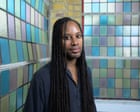
High-profile academic appointments rarely implode this fast. When Jason Arday stepped down from his post at the University of Cambridge, it marked a dramatic conclusion to weeks of mounting scrutiny over his credentials, research practices, and personal narrative.
If you have been following the headlines, you know the core issue isn't just about a single disputed footnote. It is a messy collision of academic integrity, public myth-making, institutional panic, and culture-war politics that leaves elite universities looking entirely unprepared for the modern era of open-source internet sleuthing.
How the Jason Arday Investigation Unraveled
The pressure campaign didn't start inside Cambridge lecture halls. It began online when independent researchers and anonymous bloggers started pulling apart Arday's 2015 PhD thesis from Liverpool John Moores University. They found passages that heavily mirrored other published works.
For months, the pushback was fierce. Cambridge initially circled the wagons, defending their professor and framing the online attacks as a malicious campaign designed to undermine a prominent Black scholar. Arday himself pointed to his inspirational personal journey—learning to read and write late in life before achieving a historic professorship at 37—while denying intentional academic fraud.
Things shifted when the scrutiny moved past the thesis and into his broader biography. Investigative reports revealed glaring discrepancies regarding international visiting fellowships, massive charitable fundraising claims, and dramatic personal safety incidents that police records simply could not verify.
Once Cambridge announced a formal institutional investigation into new information concerning his qualifications and honorary appointments, the writing was on the wall. Arday resigned immediately, stating that the relentless public commentary had taken an impossible toll on his wellbeing.
The Real Problem With Institutional Due Diligence
Universities love a good redemption story. When Arday was appointed as Cambridge's youngest Black professor in 2023, institutions rushed to celebrate the milestone. Press releases went out. Media profiles praised his resilience against neurodivergence and educational disadvantage.
Nobody bothered to check the footnotes or verify the CV claims.
That is the systemic failure exposed here. Elite academic institutions often fail to conduct basic, rigorous vetting when a candidate fits a powerful institutional narrative. They want the PR win so badly that standard peer review and background verification standards take a back seat. When independent investigators on platforms like Substack or X do the job that university human resources departments skipped, the fallout is devastating for everyone involved.
What Happens Next for Academic Oversight
The fallout from this resignation extends far beyond Cambridge. Funding bodies, admissions panels, and university councils are currently scrambling to audit their own internal verification processes.
When biographical embellishment and sloppy citation practices slip past multiple institutional gatekeepers, public trust evaporates. Critics on various sides of the political spectrum are using the case to push entirely different agendas—some pointing to failures in diversity frameworks, others pointing to targeted online harassment campaigns.
The truth usually sits in the uncomfortable middle. Plagiarism and misrepresentation are serious academic offenses that cannot be excused by a compelling personal backstory. At the same time, the modern ecosystem of digital pile-ons ensures that high-profile figures receive microscopic, politically charged scrutiny that leaves zero room for nuance.
Universities must tighten their vetting protocols immediately. If they want to protect their credibility, they need to treat every CV with the same level of skepticism, regardless of how inspiring the narrative sounds on paper.
Stop accepting credentials at face value. Start demanding verifiable proof before handing out the keys to elite institutions.