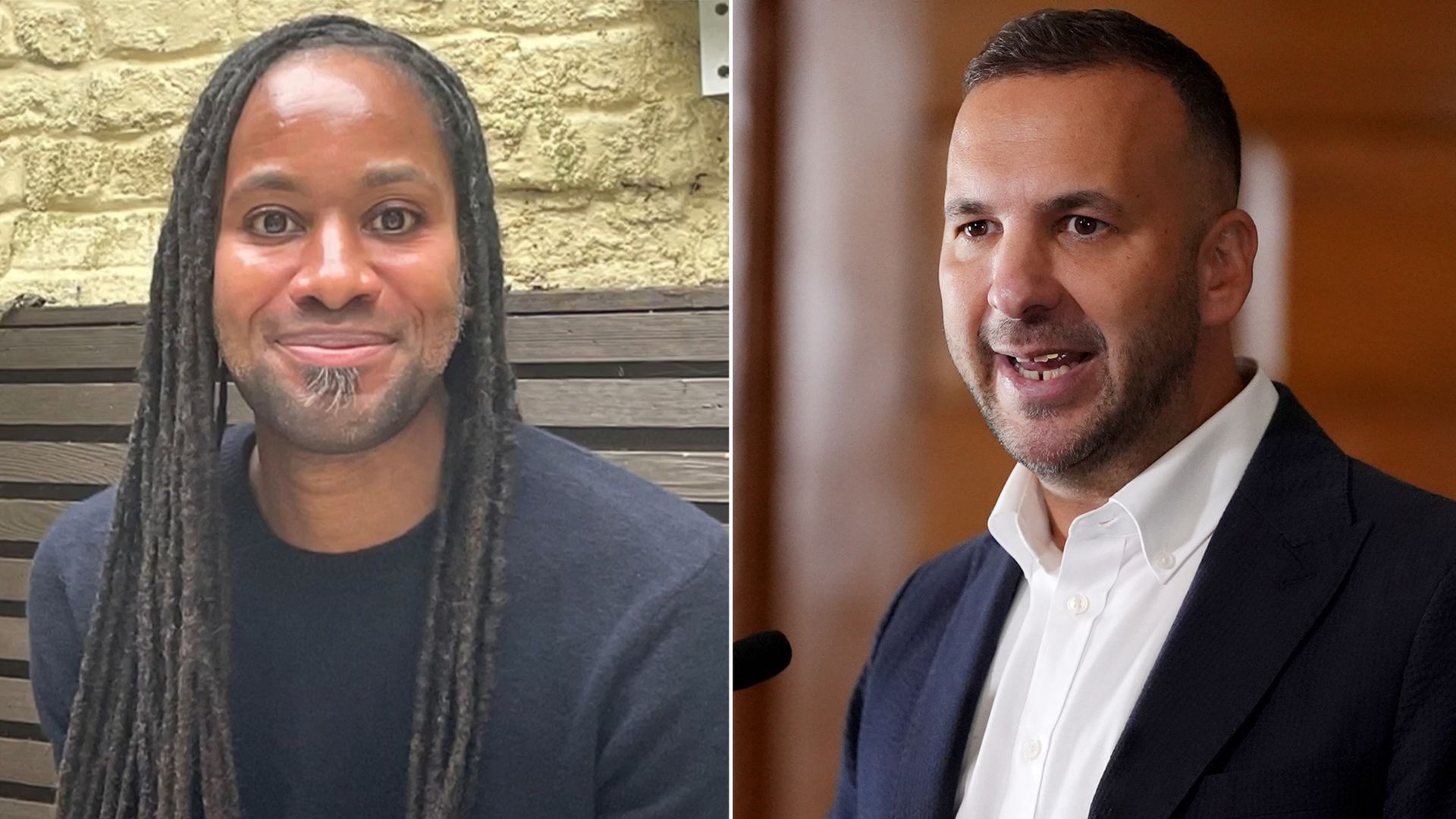
High-profile resignations rarely happen in a vacuum. When Professor Jason Arday stepped down from his role at the University of Cambridge following intense media scrutiny, it triggered a fierce national debate about academic standards, media hostility, and systemic bias.
Green Party leader Zack Polanski quickly entered the fray. He defended the departing professor, arguing that public figures from minority backgrounds often face disproportionate standards and intense public trials by media. Read more on a related issue: this related article.
The Anatomy of the Cambridge Plagiarism Row
Professor Arday made history as one of Cambridge's youngest Black professors, securing a chair in education and sociology. His journey to Oxbridge was widely celebrated, marked by personal milestones that included overcoming early educational barriers.
However, intense media pressure mounted following allegations concerning his PhD thesis and published research. Critics flagged potential academic discrepancies, prompting Cambridge to launch a formal investigation into his qualifications and background. Additional analysis by Al Jazeera explores related perspectives on this issue.
Instead of fighting the institutional review internally, Arday chose to walk away. He noted that the relentless public commentary took a severe personal toll, leaving him no choice but to step down to protect his well-being.
Polanski and the Trial by Media Debate
Stepping into the controversy, Polanski argued that the entire situation reflects a darker pattern within British institutions. By signing a solidarity letter alongside other left-wing politicians and public figures, Polanski drew attention to the speed at which high-profile minority achievers become targets for systemic takedowns.
"I think the whole affair sounds pretty sad," Polanski stated during a media appearance. He emphasized that public scrutiny often crosses the line from legitimate academic critique into targeted harassment, noting that people of colour frequently navigate an entirely different set of unwritten rules in professional spaces.
Critics of this defense argue that academic integrity must remain absolute, regardless of background. They contend that allegations involving research methodology and credentials demand transparent institutional reviews.
Yet supporters point out that the velocity of the media storm often outpaces actual due process, creating a hostile environment where recovering one's reputation becomes nearly impossible even if formal wrongdoing is never proven.
What This Means for Higher Education Moving Forward
The fallout from Cambridge highlights a fragile intersection between public accountability and cultural politics. Universities are under immense pressure to protect their institutional prestige while managing intense media cycles.
When prominent academics leave under a cloud of controversy, the damage extends far beyond a single department. It sends a chilling signal to aspiring scholars from working-class or minority backgrounds who look to figures like Arday as proof that elite spaces are accessible.
If public service and academic ambition invite disproportionate hostility, institutions risk losing the very diversity they spent decades trying to build. The conversation sparked by Polanski's defense isn't just about one professor's CV or a single resignation. It is about how modern institutions handle pressure, and who bears the heaviest cost when the storm hits.
Cambridge Professor quits after plagiarism row
This video provides additional context regarding the resignation of Professor Jason Arday and the public reactions from political figures like Zack Polanski.
http://googleusercontent.com/youtube_content/1