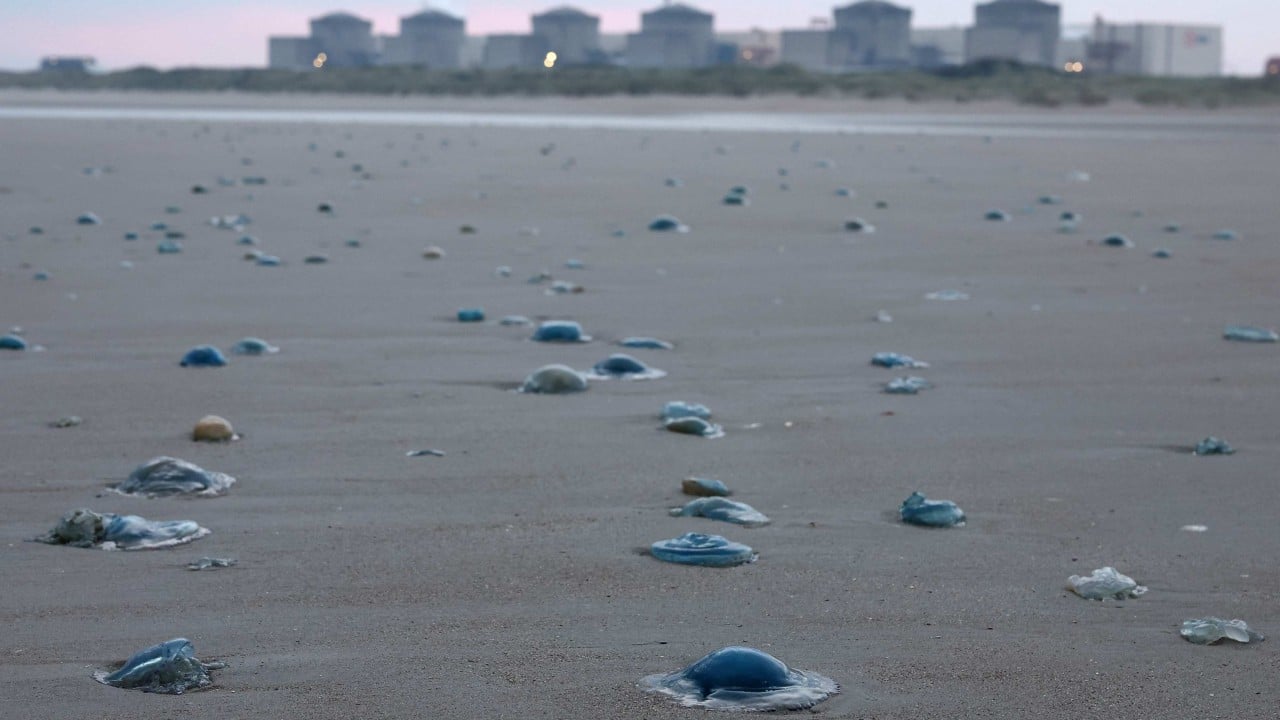
Imagine standing inside Western Europe's largest nuclear facility, pumping millions of gallons of seawater to keep things from melting down, only to have gelatinous sea creatures jam the works. That is exactly what happened at the Gravelines nuclear power plant near Dunkirk. Energy giant EDF had to halt multiple reactors because a massive swarm of jellyfish clogged the cooling water intake pumps.
It sounds like a bad science fiction movie script. But it is entirely real, and it points to a much bigger structural vulnerability in how we generate electricity.
Why Cooling Water Systems Are Soft Targets
Nuclear reactors generate immense heat. To manage that heat, plants like Gravelines pull massive amounts of water directly from oceans, rivers, or seas. At Gravelines, six 900-megawatt reactors rely on a steady, uninterrupted flow of seawater from the North Sea.
When millions of marine organisms arrive at once, they overwhelm the filter drums at the pumping stations. The safety systems kick in automatically. The plant shuts down to prevent catastrophic overheating.
You might think this is an isolated freak accident. It is not. Similar invasions have forced emergency shutdowns at the Torness nuclear plant in Scotland and the Oskarshamn plant in Sweden. When nature moves in large groups, engineering masterpieces ground to a halt.
The Bigger Environmental Picture
Why are these massive blooms happening more frequently? Marine biologists point to a toxic mix of human-driven factors. Overfishing removes the natural predators that normally keep populations in check. Higher ocean temperatures and lower oxygen levels create a paradise for these creatures to multiply rapidly.
Climate change isn't just causing droughts and heatwaves that limit river water cooling capacity; it's actively altering marine ecosystems in ways that directly threaten heavy industrial infrastructure.
EDF was quick to note that these shutdowns pose zero threat to facility safety or local populations. The automated protection protocols work exactly as designed. But the economic and grid reliability toll is massive. Losing multiple reactors during peak demand periods stretches energy networks thin, especially when other plants are already throttled back due to high river temperatures during summer heatwaves.
What Operators Must Do Next
Energy producers can no longer treat marine life blockages as rare anomalies. Plant operators are looking into upgraded filtration systems, acoustic deterrents, and AI-driven early warning sonar to track massive biomass movements before they hit intake pipes.
If you manage critical infrastructure near a coastline, ignoring ecological shifts is no longer an option. Expect tougher environmental risk assessments and heavier investments in intake defense mechanisms moving forward. Nature always finds a way to push back against human engineering. We need to build systems that anticipate the counterattack.
Jellyfish swarm shuts down French nuclear plant
This video shows footage of the massive marine swarms that disrupt industrial coastal cooling systems.
http://googleusercontent.com/youtube_content/1