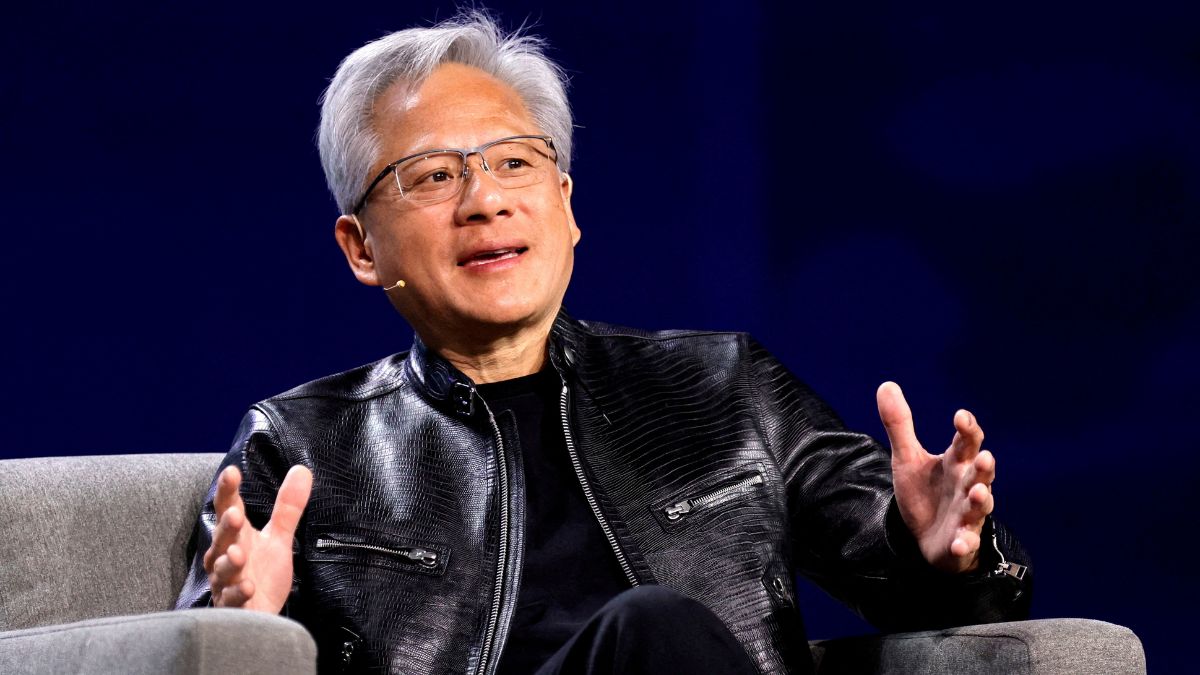
When the leader of the world's most valuable artificial intelligence powerhouse confesses to a personal scandal, the fallout is rarely just personal. For Nvidia CEO Jensen Huang, admitting to an extramarital affair with Chinese businesswoman Alice Huang sent immediate shockwaves through Silicon Valley and Washington. But the real story isn't just the confession email sent to employees. It is the timeline. Reports show that Huang retained high-profile crisis communications firm Heller as early as October 2025—a full year before he publicly acknowledged the relationship.
That single detail shatters the narrative of a spontaneous, reactive apology. It points to a calculated, long-term strategy of damage containment at the highest levels of corporate governance.
The Timeline That Doesn't Add Up
Most corporate scandals break unexpectedly, forcing executives into frantic, reactionary PR damage control. Jensen Huang's situation played out differently. By engaging Risa Heller's firm in late 2025, Huang secured elite crisis management months before any public revelation materialized.
Heller is known in political and corporate circles for managing severe reputational meltdowns. Her past roster includes high-profile clients facing intense media scrutiny, congressional pressure, and legal fallout. Bringing in a firm of that caliber a year in advance suggests that leadership knew vulnerabilities existed long before the story broke.
Nvidia's board has since launched an independent investigation, particularly focusing on potential national security angles linked to the affair. When a CEO of a critical technology infrastructure provider prepares his defenses twelve months ahead of a public admission, it signals an awareness of massive underlying risk.
Navigating Corporate Governance and National Security
Nvidia isn't just another tech company. It is the undisputed backbone of the global artificial intelligence boom. Its advanced chips fuel data centers worldwide, making its leadership a matter of geopolitical and national security interest.
When Huang addressed his employees, he tried to separate his personal conduct from his dedication to American security.
“Regarding the national security concerns raised in news reports, NVIDIA's Board of Directors has initiated an independent investigation. I support the investigation and will cooperate fully," Huang wrote in his email to staff.
Yet, the presence of a crisis PR firm coordinating with family members and philanthropic ventures months in advance complicates that separation. It raises uncomfortable questions for institutional investors and board members. Did the board know about the retainer? Were risk assessments updated when the PR firm was brought on board to manage personal and family communications?
What Tech Leaders Can Learn From This Playbook
The situation offers a masterclass in modern executive risk management, even if the circumstances are messy. High-profile executives often underestimate how quickly private actions can intersect with public geopolitics.
- Personal risk is corporate risk. When a CEO controls a company vital to national infrastructure, personal vulnerabilities become institutional vulnerabilities.
- Proactive defense beats reactive scrambling. Waiting for a story to break before hiring communications counsel usually leads to failure. Securing strategic advice early allows for controlled messaging, even if the ultimate disclosure takes a year to surface.
- Transparency matters more than ever. In an era of aggressive media investigations, delayed admissions combined with pre-existing PR strategies invite deeper skepticism from regulators and shareholders.
Jensen Huang built Nvidia into a generational titan through relentless engineering execution and strategic foresight. As this independent investigation unfolds, his biggest challenge won't be designing the next generation of chips. It will be rebuilding institutional trust when the timeline proves that the crisis was anticipated long before it was confessed.