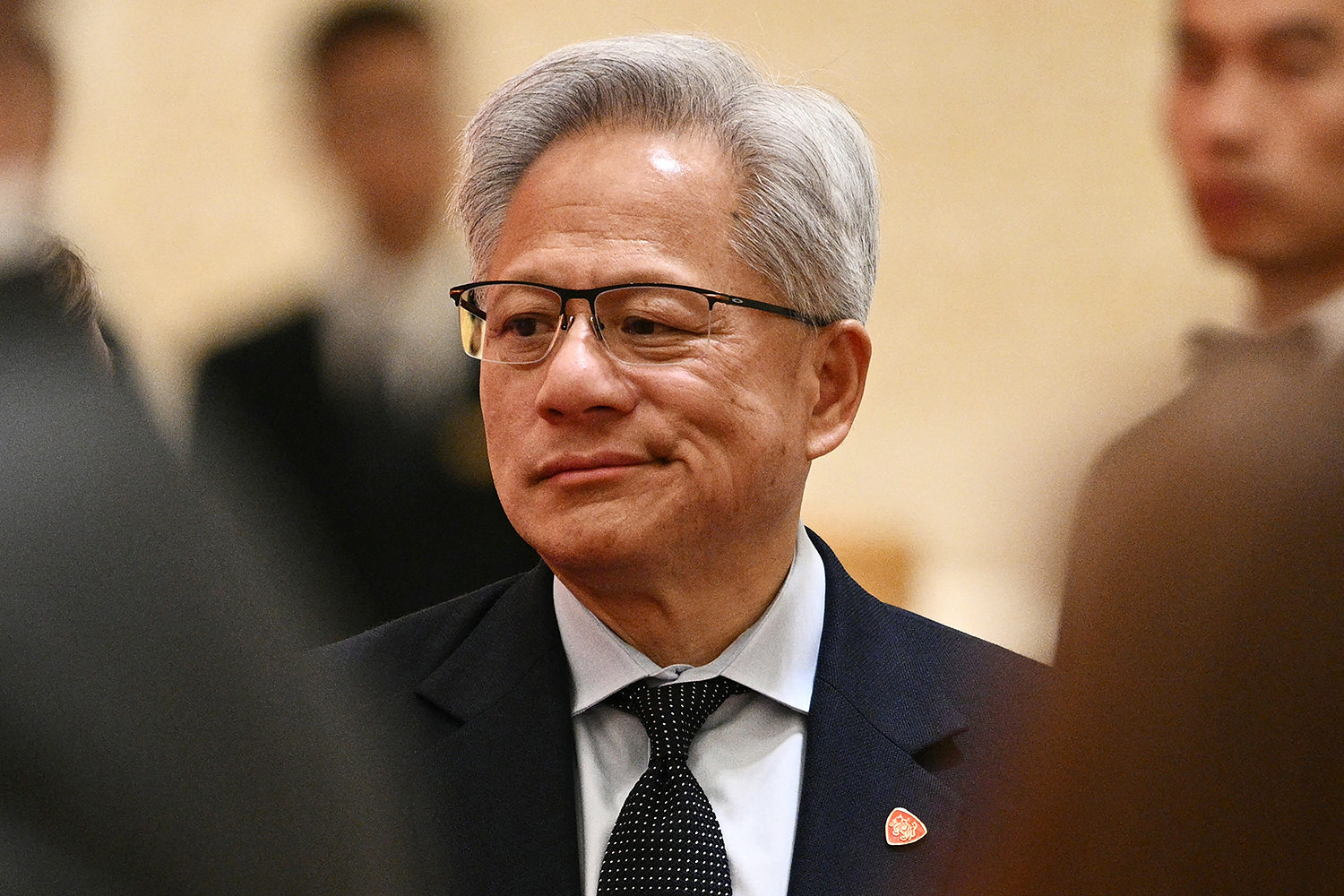
Congress didn't just raise eyebrows when Nvidia's board put Jensen Huang back in the CEO chair on November 23, 2026. Lawmakers across the political aisle erupted. Eleven days earlier, on November 12, Huang had stepped down amid a firestorm over an extramarital affair with a woman suspected by U.S. officials of ties to Chinese intelligence, alongside broader scrutiny over personal conduct and workplace culture. Then President Donald Trump stepped in, told CNBC he personally called Nvidia's board and "convinced them" to bring Huang back, and watched the board vote unanimously after consulting senior levels of the U.S. government.
Now Capitol Hill is bracing for a collision. Huang is lined up for a Dec. 1 interview with three House committees and a public Dec. 3 hearing before the Senate Banking Committee. If you're watching AI policy, chip export controls, or corporate governance, you can't treat this as just another Silicon Valley soap opera. It's a test of whether national security guardrails and basic board independence mean anything when a president decides to intervene directly in a trillion-dollar chipmaker.
What Sparked the Outrage Over Jensen Huang Reinstatement
To understand why lawmakers reacted so sharply, look at what changed in less than two weeks. On November 17, Nvidia's board had signaled to investors that it had no intention of reinstating Huang. Just six days later, he was back, with the board claiming input from senior U.S. government officials left directors "confident that Mr. Huang's reinstatement poses no national security risk."
Honestly, that assurance is what sent half of Washington through the roof. Several lawmakers immediately challenged the premise that a counterintelligence risk could be waved away so quickly, especially without clear answers on who in the administration gave the green light or whether an FBI defensive briefing ever took place.
"No national security risk? Based on what?"
— Sen. John Cornyn (R-Texas), questioning the basis for the board's security claim
Criticism didn't fit neatly into a single partisan bucket, either. While senior Republicans currently leading committees moved to schedule hearings and bring Huang in for questioning, outgoing and departing GOP lawmakers—including Texas Sen. John Cornyn, Nebraska Rep. Don Bacon, and Michigan Rep. Bill Huizenga—bluntly questioned the security logic and the push to send high-end AI chips toward China. Utah Sen. John Curtis pressed on who inside the government weighed in and what exactly they told the board.
Democrats went even harder on ethics, influence, and potential self-dealing. Incoming Senate Banking Chair Elizabeth Warren called the administration's role "reckless," while incoming House Oversight Chair Robert Garcia said Trump's direct involvement raised "serious national security and corruption questions." Oregon Sen. Ron Wyden accused the administration of acting as if "our national security is for sale," and Arizona Sen. Ruben Gallego called for scrutiny into stock positions taken ahead of the announcement. Delaware Sen. Chris Coons zeroed in on the intersection of Huang's personal scandal and Nvidia's lobbying over AI chip sales to China.
Why Export Controls and China Chip Sales Sit at the Center
If this were purely about a messy personal scandal, Congress would still talk, sure. What makes it explosive is timing. Lawmakers have spent months battling over export licenses and whether advanced AI chips—and compute power more broadly—are slipping into hands tied to Beijing's military or strategic ambitions.
Earlier in November, Sens. Elizabeth Warren and Jim Banks of Indiana put out a joint statement warning about reports that Nvidia had received approvals to export hundreds of thousands of advanced AI chips to China, including to companies linked to China's military, while lobbying hard in Washington against tighter controls. In their view, Huang's acknowledged relationship with a suspected Chinese intelligence operative turned an ongoing trade-and-security dispute into an urgent counterintelligence problem.
Here's the catch that policy veterans see every day in Washington: export control debates are rarely clean. On one side, national security hawks argue that giving rivals cutting-edge silicon accelerates military and surveillance capabilities that can't be easily clawed back. On the other side, industry leaders and economic nationalists—including Trump in his CNBC remarks—argue that choking off U.S. chipmakers weakens American revenue, slows R&D funding, and pushes foreign buyers toward domestic alternatives.
When a sitting president personally lobbies a corporate board to reverse a CEO ouster while export policy is under active congressional fire, skepticism isn't surprising. It's predictable. Even the Cato Institute's Tad DeHaven—writing from a free-market perspective—argued that while shareholders, employees, and directors have every right to make their own call, the president has no business picking Nvidia's CEO.
Board Governance Meets Presidential Muscle
Watch the corporate governance angle closely. In theory, a public company board answers to shareholders, weighs fiduciary duty, and makes independent leadership calls. In practice, when the White House leans in and says it has resolved national security concerns, directors often find political cover—or political pressure—that's hard to resist.
That creates a real trap for investors and boards alike. A few common mistakes keep repeating in high-stakes corporate crises:
- Treating political reassurance as a substitute for a formal security record. A board saying "senior officials gave us comfort" is not the same thing as a documented counterintelligence assessment or clear compliance controls.
- Ignoring the reputational drag of mixed signals. Telling investors one thing on November 17 and reversing course on November 23 makes governance look reactive rather than principled.
- Confusing commercial urgency with national security clearance. Even if a CEO is vital to product roadmaps or customer relationships, commercial value doesn't automatically answer counterintelligence or export-compliance questions.
At the same time, it's fair to acknowledge the counterargument. Supporters of Huang's return—including Trump, who called him essential to American AI competitiveness, along with fellow tech executives who welcomed the reversal—contend that losing a founder-level leader at a critical moment carries steep strategic costs of its own. That tension between speed-to-market and institutional guardrails isn't going away anytime soon.
What to Watch in the Upcoming Hearings
The December testimony won't settle every argument, and we shouldn't pretend a single hearing will tie up every loose end. Still, it will force specific facts into the open.
When lawmakers question Huang—and examine the administration's role—pay attention to a few concrete threads. First, expect sharp questions about what information U.S. officials shared with Nvidia's board and which agencies participated. Second, listen for details on export license approvals, compliance safeguards around China-linked entities, and internal controls at Nvidia. Third, watch whether lawmakers push for records around trading activity or White House communications ahead of the reinstatement.
Depending on how those answers land, congressional scrutiny could stay focused on oversight and transparency, or broaden into tougher legislative proposals on export controls, executive influence, and corporate disclosure rules when new committee leaders take the gavel in January.
Practical Next Steps If You're Following This Story
You don't need to guess what comes next—you can track the primary records directly as they drop.
- Read the primary committee notices and opening statements around the Dec. 1 House interviews and Dec. 3 Senate Banking Committee hearing rather than relying solely on second-hand social media clips.
- Track Commerce Department export-control updates and congressional letters from lawmakers like Warren, Banks, Cornyn, and Wyden to separate political rhetoric from actual policy shifts.
- Review Nvidia's official board statements and SEC filings to see how the company frames its governance decisions, risk factors, and compliance posture for shareholders.
- Separate the two distinct tracks—corporate leadership and workplace/personal conduct on one hand, and U.S.–China chip export policy and executive intervention on the other—so you don't conflate every claim into a single narrative.