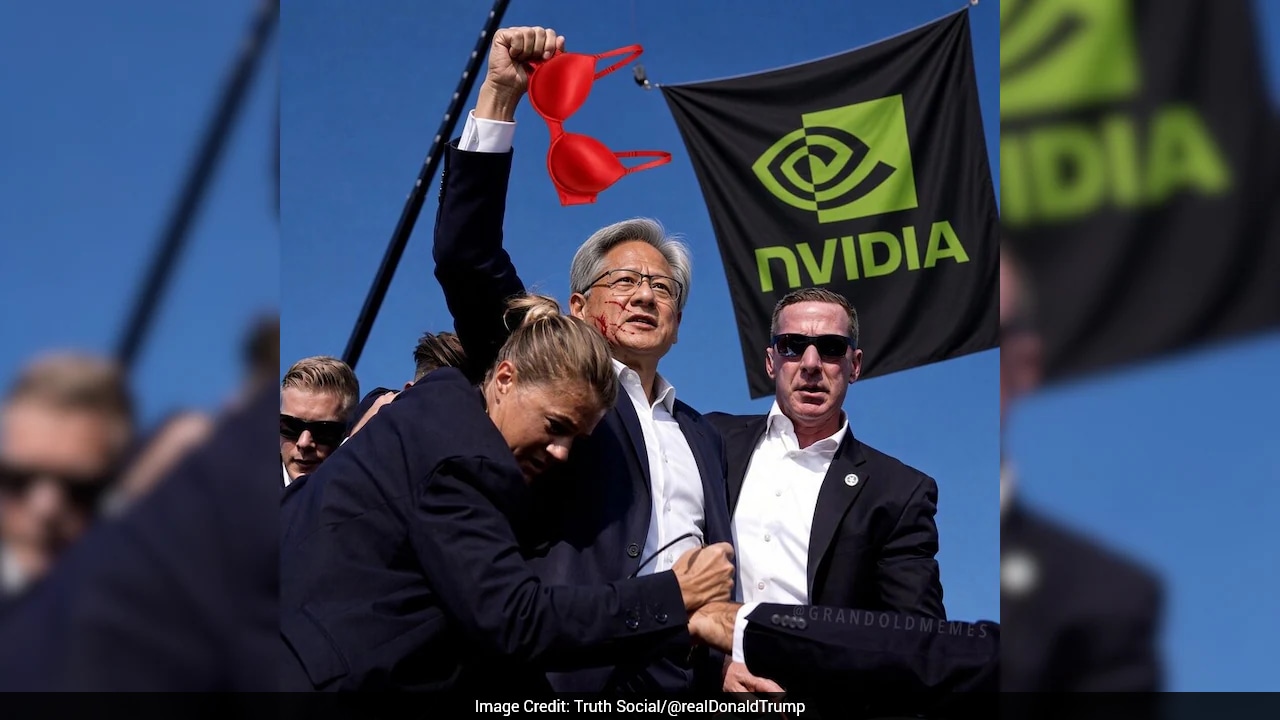
Eleven days is an absurdly short time to go from disgraced ex-CEO back to savior of the AI trade. Yet here we are after Nvidia's board unanimously reinstated Jensen Huang on November 23, 2026, just twelve days after he resigned amid reports of extramarital affairs—including one involving a woman linked to suspected Chinese intelligence activity and a cloud firm tied to chip-smuggling allegations.
If you're wondering how Nvidia is reacting to Jensen Huang's return as CEO, the honest answer is that the reaction splits sharply depending on where you sit. Inside the Santa Clara campus, staffers cheered his arrival like a rock star walking back onstage. On Wall Street, traders sent the stock ripping higher and pulled the broader market back from a brutal sell-off. In Washington and corporate governance circles, though, people are staring at the board's U-turn with narrowed eyes.
I've watched founder-led tech companies wrestle with crises for years, and this one is wild even by Silicon Valley standards. Founder worship is real, and it pays off right up until the moment governance and national security collide head-on.
Inside Nvidia Staffers Cheered Jensen Huang Returning to Nvidia
Let's start on the ground floor, because the internal mood at Nvidia wasn't subtle. Even before the board reversed course, an internal suggestion-box thread started by a longtime engineer drew more than 1,600 comments—most of them arguing that Huang deserved a second chance, as reported by Wired and Inc.. When Huang walked back onto campus on Monday, videos circulating on social media showed employees giving him a hero's welcome while he promised to be a better CEO the second time around.
Why did so many engineers and staffers rally behind him so fast? Money is part of it, no question. Years of massive equity appreciation have turned huge swaths of Nvidia's workforce into paper millionaires, and employees know better than anyone how tightly Nvidia's roadmap, customer deals, and culture are fused to Huang's brain.
Still, reducing employee support to pure greed misses something real. When you spend years building something that feels historic, watching your founder vanish overnight over personal scandals and geopolitical rumors feels disorienting. During the brief stretch when CFO Colette Kress stepped in as interim CEO and told staff the company was moving on from the Huang era, plenty of builders inside Nvidia didn't feel ready to let go of the person who dragged them from niche graphics chips to the center of global computing.
That doesn't mean the mood is all hugs and high-fives. Whenever a founder returns under a cloud of intelligence questions, internal subpoenas, and fresh compliance rules, morale gets complicated. Some employees love the stability and familiar urgency Huang brings. Others privately worry about distraction, scrutiny, and whether an internal investigation that hasn't even finished yet will keep hanging over every meeting.
Wall Street Cheered First and Asked Questions Later
If employees wanted their founder back, markets acted like they needed him back. According to reporting from The Guardian, Al Jazeera, and PBS NewsHour, Nvidia shares surged roughly 29% to 33% in trading around the reinstatement announcement, adding hundreds of billions—nearly $1 trillion on some measures—in market value after a rough stretch that had knocked the stock well off its October peak. The rebound also helped snap a losing streak across major U.S. indexes, with the Nasdaq and S&P 500 catching a much-needed breather.
Portfolio managers and analysts who backed the move point to a simple truth. Founders who built an empire from scratch often carry an operating cadence, customer pull, and product instinct that an interim executive simply can't replicate on two weeks' notice. For traders worried that an AI hardware boom was losing momentum or hitting a leadership vacuum, Huang's return looked like an immediate floor under the stock.
Here's the catch, though. A sharp bounce on reinstatement day isn't the same thing as a clean bill of health. As Morningstar's Lindsey Stewart noted in coverage by TIME, bringing a CEO back before an internal investigation concludes raises serious corporate governance questions. When a company faces multiple inquiries—including probes involving the Securities and Exchange Commission, the Department of Justice, and state authorities—relief rallies can turn into whiplash if new facts drop.
Washington Turned a Boardroom Reversal Into a Political Fight
You can't talk about how Nvidia is reacting to Jensen Huang returning to Nvidia without looking at Washington, because this story stopped being a normal corporate drama the moment the White House stepped into the frame. President Donald Trump openly took credit for nudging the board to reinstate Huang, saying he had assurances from Attorney General Todd Blanche regarding national security and arguing Huang's leadership matters to American economic strength. Meanwhile, Elon Musk publicly cheered the comeback, while lawmakers across the aisle criticized the speed and optics of the reversal and pushed for tighter scrutiny of AI chip exports.
Look at the timing and you see why nerves are frayed. Just days before the reinstatement, the U.S. government moved against entities tied to Singapore-based cloud firm Megaspeed over alleged chip-smuggling concerns, and congressional hearings on AI chip export controls—with Huang slated to testify—are right around the corner. For Nvidia, that puts Huang right back in the middle of the thorniest geopolitical tug-of-war in tech: balancing massive global demand for AI accelerators against strict U.S. export rules and national security fears.
To its credit, Nvidia's board didn't pretend nothing happened. Alongside reinstating Huang and keeping its probe going, the company moved to start a search for a Chief Compliance Officer reporting to the Nominating and Corporate Governance Committee, building on board-level oversight focused on national security and export controls. Whether those guardrails actually bite—or look like window dressing after a rapid reversal—is something investors and lawmakers will watch closely.
What Most People Miss About Key-Man Risk
Whenever a founder comes back from the brink, people love comparing the moment to Steve Jobs returning to Apple or Sam Altman bouncing back at OpenAI. Those comparisons are fun at dinner parties, and there's a kernel of truth in them: strong founders often bend reality in ways committees can't.
Still, I think commentators like Robert Armstrong in the Financial Times (highlighted via Platformer) hit a sharper nerve. When a trillion-dollar company has no board chair, thin succession depth, and an organization chart where every major decision funnels toward one leader, the board's options shrink fast. Sometimes a board reinstates a founder out of deep conviction. Sometimes it reinstates them because it painted itself into a corner and panicked.
Both things can be true at once. Huang has undeniably been the defining strategist behind Nvidia's AI run, from software ecosystems to data-center buildouts. At the same time, concentrating that much authority in one person creates a single point of failure that no compliance memo magically erases overnight.
Common Misconceptions About This Comeback
People are throwing around a lot of hot takes right now, and a few of them don't hold up under scrutiny:
- The scandal is over: A reinstatement vote doesn't close investigations. Internal probes, regulatory inquiries, and export-control scrutiny take time, and new disclosures can still hit the tape.
- Employees are 100% of one mind: Even when large majorities back Huang in surveys or internal threads, big tech companies always contain quieter skeptics worried about compliance risk, distractions, or fairness.
- A stock spike settles the governance debate: Markets reward momentum and clarity in the short run, even when long-term governance risks remain unresolved.
Practical Next Steps If You Follow or Work Around Nvidia
If you're an investor, operator, or partner trying to read what comes next rather than reacting to headlines, focus on concrete signals over the coming weeks:
- Watch the compliance and governance hires: Pay attention to who gets tapped as Chief Compliance Officer and how much real independence that role gets from day-to-day commercial pressure.
- Track congressional and regulatory milestones: Follow upcoming Senate oversight hearings and any updates from federal or state inquiries—those carry real legal and export-policy weight.
- Separate product demand from political noise: Keep an eye on data-center supply commitments, customer orders, and export-rule enforcement separately from social-media drama and stock swings.
- Check your own risk exposure: If you hold Nvidia shares or work in an ecosystem tied to its chips, don't treat a single-day rally as a reason to abandon position sizing, diversification, or contingency planning.