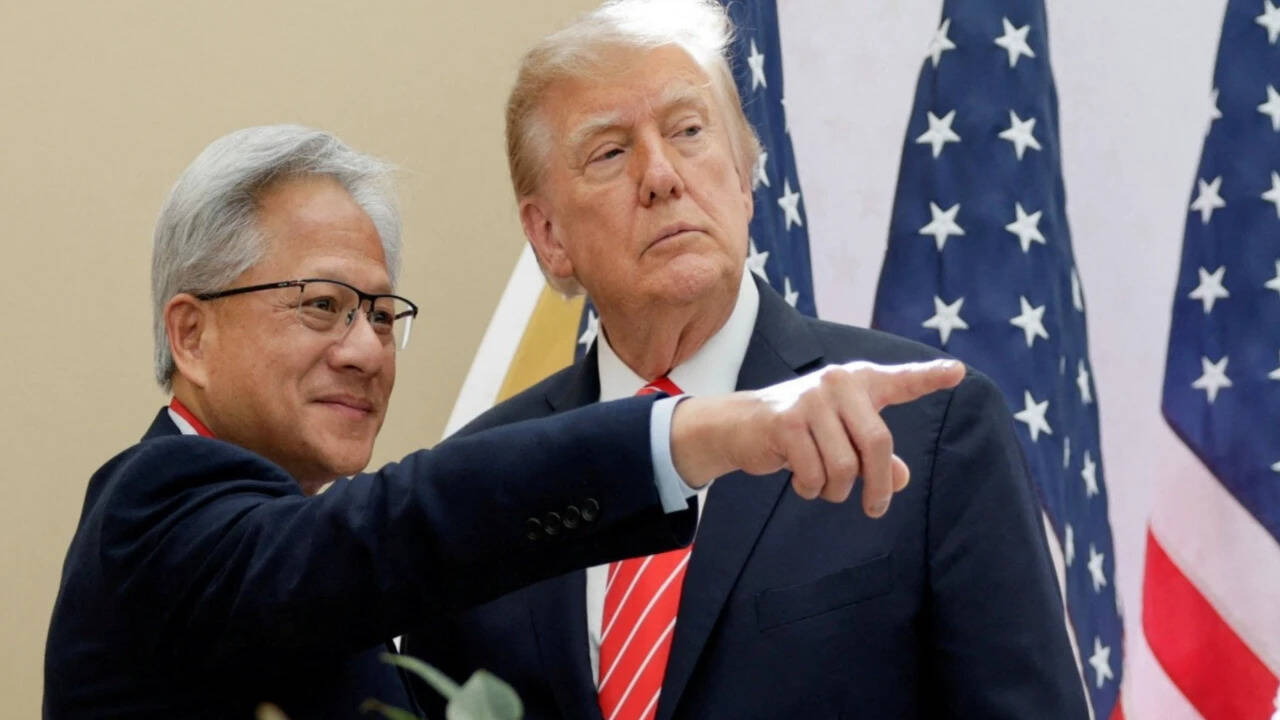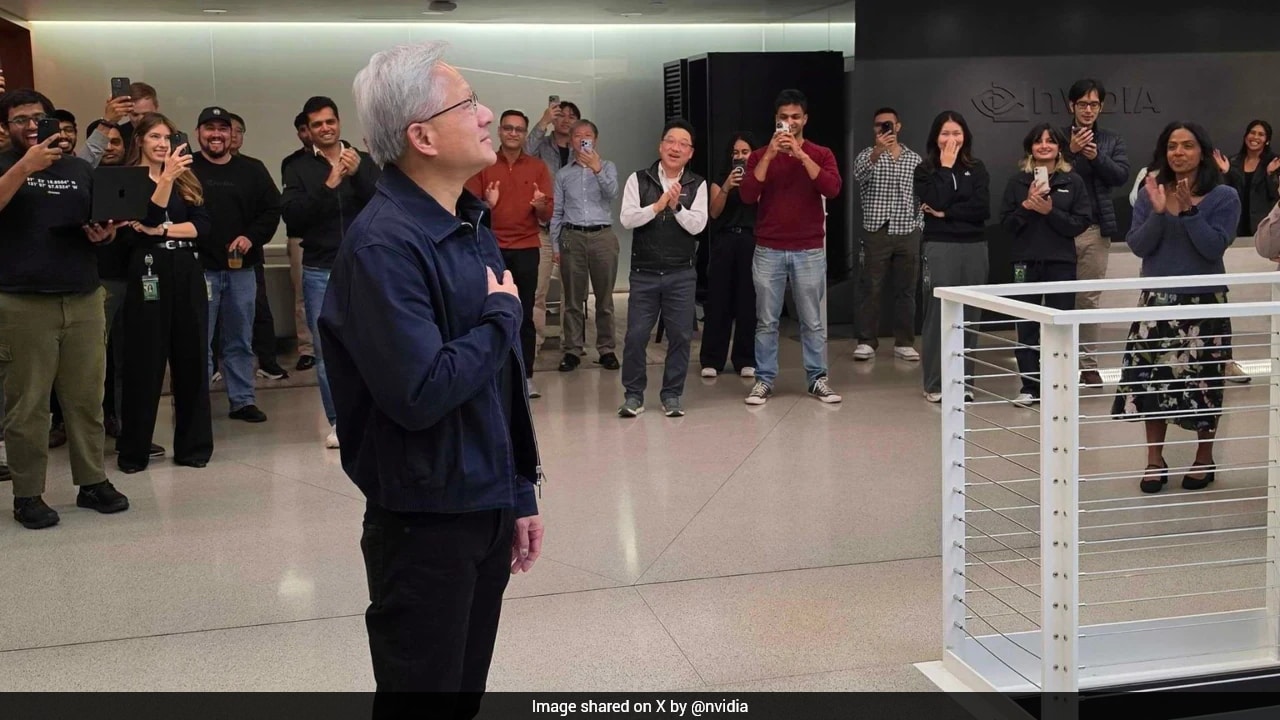
Eleven days is a blink in the tech world. That's all it took for Jensen Huang to go from resigning as Nvidia's chief executive amid misconduct scandals and espionage questions to returning to the helm on November 23, 2026, while shares popped 31.5% on the rebound.
If you're watching this unfold, it's hard not to ask a blunt question. Who gets a second chance at this scale, and who doesn't?
The Jensen Huang Nvidia comeback isn't just a boardroom plot twist. It's a stress test for workplace ethics, corporate governance, and what happens when a founder becomes so tied to trillions in market value and national AI ambitions that normal rules start looking optional.
What Actually Happened In Those Eleven Days
Let's strip out the noise and look at the timeline. Huang had already acknowledged an extramarital affair in a note to staff on November 8, 2026, followed by reports of involvement with a subordinate and separate scrutiny over a relationship with a woman suspected of being a Chinese spy (a link Beijing has denied as an intelligence operation). He stepped down on November 12, leaving CFO Colette Kress to step in as interim CEO while the board weighed next steps.
Then came the reversal. On November 23, Nvidia's board voted unanimously to reinstate Huang, pointing to assurances from senior U.S. government officials that his return posed no national security risk while noting its internal investigation would continue. President Donald Trump publicly backed the return, brushed off the personal conduct controversy in a CNBC interview, and even posted a doctored image of Huang parodied after his own 2024 Butler, Pennsylvania photo.
Meanwhile, the fallout didn't vanish overnight. Reports tied to ethics disclosures suggested Trump's own disclosed Nvidia share range could have seen a sharp paper rebound on the rally, even as the White House maintains independent advisers manage his investments. At the same time, lawmakers pushed for answers, California's Department of Justice looked into chip compliance and investor disclosures, and Huang told employees in a livestreamed meeting that he was in daily therapy and that HR would gather feedback on his tough management style.
Why People Are Calling It A Misogyny And Impunity Problem
Critics aren't reacting to a single headline in isolation. They're looking at the pattern.
When leaders are accused of crossing lines with subordinates or creating power imbalances at work, the post-#MeToo standard was supposed to be straightforward. Coercion can't be waved away when there's a massive hierarchy gap between a CEO and someone reporting to them or sitting inside their orbit. As London Business School professor Randall Peterson warned in reporting on the backlash, reinstating a leader over a subordinate relationship risks sending a signal that pre-#MeToo norms are creeping back.
Legal and advocacy voices put an even sharper edge on it. National Women's Law Center head Fatima Goss Graves pointed out that letting high-powered figures bounce back untouched can chill workers who might otherwise speak up. University of Colorado Boulder law professor Ann Lipton noted how extreme wealth and status can make certain executives feel untouchable, especially in industries where aggressive or "masculine" leadership styles get romanticized.
There's also the gender double standard question that keeps popping up online. Ask people on social media to name a female CEO who faced a major personal or ethical scandal and got an instant, triumphant restoration like this, and the list gets thin fast. Even when someone brings up a name like Martha Stewart, critics argue the path back for women rarely looks as frictionless or well-insulated as it does for a billionaire founder at the center of an AI boom.
The Flip Side Nobody Should Ignore
Being honest means admitting the debate isn't one-sided. Supporters of Huang's return aren't all cheering bad behavior. Many are looking at risk, leverage, and market reality.
In tech, founder worship is real. As equity advocate Freada Kapor Klein observed, big tech companies often build a tight, almost cult-like loyalty around visionary leaders whose technical instincts helped shape an entire sector. When Nvidia's stock dipped and jittery investors worried about an AI slowdown, plenty of shareholders and employees argued that nobody else could steer the ship or manage complex government and supply-chain relationships on the fly.
Some defenders also frame the issue around national interest rather than personal grace. If senior U.S. officials say there isn't a national security barrier to his return, pragmatists argue the board had a fiduciary duty to protect a company central to American compute power. Others counter that "too big to hold accountable" is a dangerous habit that breeds cronyism and weakens trust across the whole market.
Honestly, both tensions are true at once. A leader can be wildly capable at building chips and still leave a trail of governance headaches behind him.
Where Boards And Workers Go From Here
Watch what happens next rather than what was said in the first week. A board vote doesn't close the book when regulatory inquiries, congressional scrutiny, and an ongoing internal probe are still moving.
If you're an investor, employee, or founder watching this play out, don't treat a stock spike as moral or legal clearance. Look at concrete guardrails instead.
- Check board independence, not just press releases. Look at who sits on the board, how often independent directors meet without management, and whether outside counsel actually has teeth during an investigation.
- Read the code of conduct against real enforcement. Policies on relationships, conflicts of interest, and workplace conduct mean very little if they apply strictly to mid-level staff and bend for top rainmakers.
- Track disclosures and oversight actions. Pay attention to ethics filings, regulatory inquiries, and upcoming hearings, because real accountability usually shows up in subpoenas, compliance rules, and shareholder pressure rather than apologies.
- Protect internal reporting channels. If you manage a team or work inside a high-pressure organization, make sure people know how to raise concerns without fear of retaliation or career freezes.
Tech loves a redemption arc. Real accountability takes a lot more than a comeback rally.