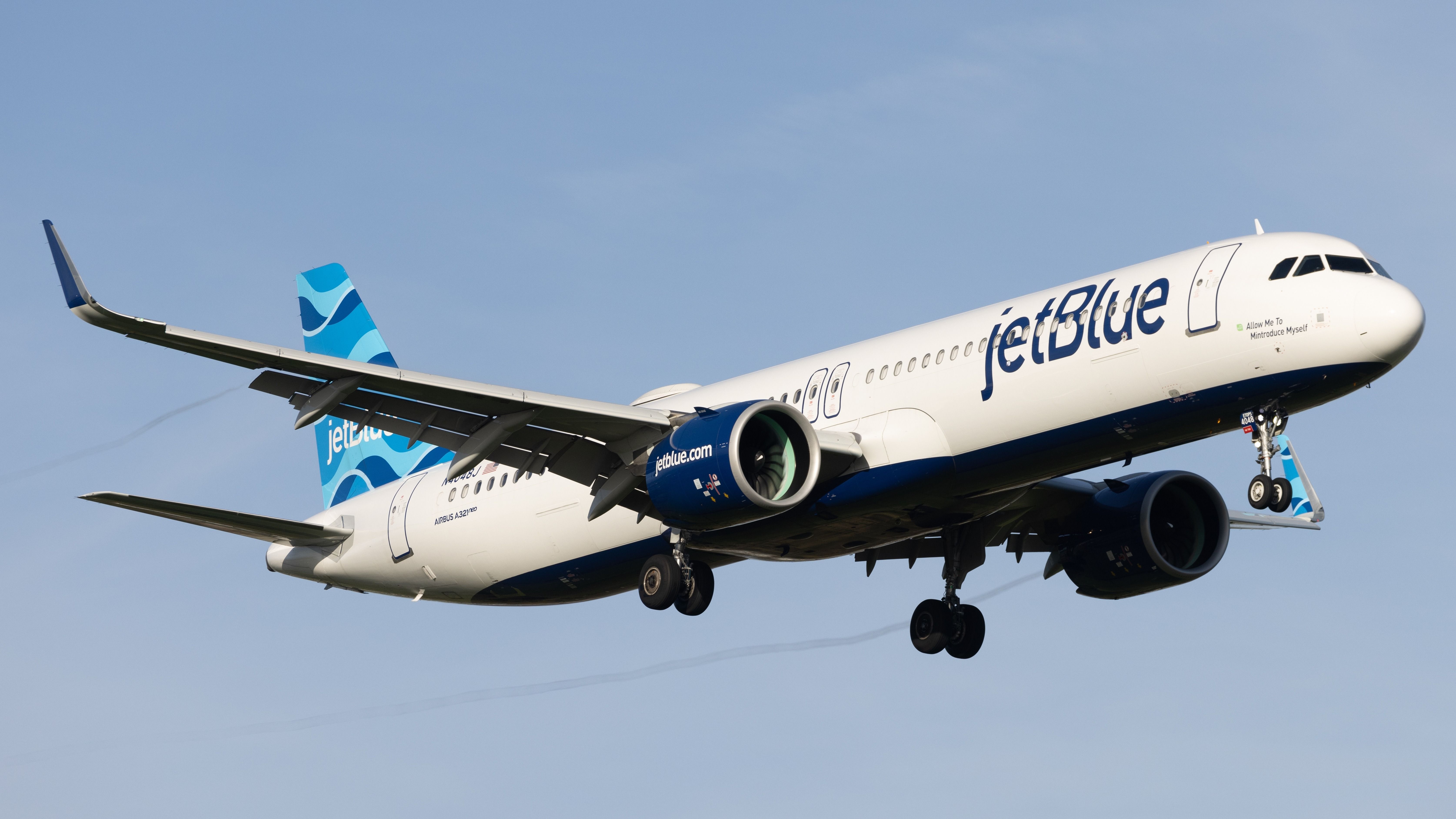
Packing light isn't a stylistic choice anymore; it's a financial survival skill. JetBlue just rolled out its second checked bag fee increase of the year, pushing the baseline cost of checking a single bag to $50 each way for domestic tickets booked starting November 3, 2026. If you wait until the last 24 hours before departure or choose to travel during peak seasonal windows, that price climbs as high as $70 for just one piece of luggage. That means a single roundtrip bag can now set you back $140.
Let's look at the numbers. If you are part of a family of four checking one bag each during a peak holiday or summer window, you are looking at $440 minimum just to bring your clothes, even if you pre-pay early. Wait until check-in at the airport desk, and that total balloons to $560. Airlines point directly to climbing operating expenses and volatile jet fuel prices—sitting around $4.44 per gallon in regional markets following geopolitical tensions earlier in the year—as the primary culprit. But frequent flyers know there is a lot more to this story than just the price of oil.
The Anatomy of the New Fee Schedule
JetBlue operates on a dynamic baggage pricing structure, meaning your travel dates dictate how much financial pain you experience at checkout. Here is how the updated domestic schedule breaks down for standard economy passengers:
- First checked bag (off-peak): $50 if paid in advance, jumping to $60 if you wait until the final 24 hours.
- First checked bag (peak): $55 online ahead of time, rising to a staggering $70 if paid close to departure.
- Second checked bag (off-peak): $70 in advance, or $75 at the counter.
- Second checked bag (peak): $75 early, hitting $85 if you procrastinate.
Peak dates for these brackets are tightly defined around major travel rushes, including Thanksgiving week, the winter holidays spanning mid-December to mid-air January, and the heavy summer block from late May through early September. If your ticket was issued prior to November 3, you are grandfathered into the older, slightly cheaper rates. Anything booked today or later faces the full brunt of this hike.
Why JetBlue Keeps Going First
JetBlue has a long history of acting as the industry's bad guy by initiating baggage fee hikes that competitors quickly follow. Back in 2018, they pioneered the move to a $30 first checked bag. Other major carriers watched the public outcry fade, calculated the extra revenue, and copied the playbook within days.
This latest adjustment follows a similar script. By hiking baggage fees instead of raising base ticket prices, airlines can keep their headline fares artificially low on third-party search engines like Google Flights or Skyscanner. When you search for a route, a low base fare draws you in. Only after you select your seats and dig into the checkout funnel do the ancillary fees hit you.
Furthermore, baggage fees enjoy a favorable tax treatment compared to standard airfares. Domestic air transportation is subject to a 7.5% federal excise tax, whereas ancillary fees sometimes dodge certain structural burdens, making them an efficient mechanism for carriers to pad their bottom lines when fuel costs bite.
How to Protect Your Wallet
You don't have to accept these escalating prices as a fixed cost of travel. Smart flyers bypass bag fees entirely by utilizing specific workarounds that airlines prefer you forget about.
First, look at co-branded airline credit cards. Many JetBlue credit cards offer a first checked bag free for the primary cardholder and companions on the same reservation, which can pay for the annual card fee after just one or two roundtrips.
Second, commit to elite frequent-flyer status if your travel volume allows it. Mosaic tier members and other qualifying loyalty program participants keep their baggage privileges intact regardless of how many times per year carriers adjust their pricing tables.
Third, rethink your packing routine. A high-capacity carry-on bag paired with a personal item that fits under the seat ahead of you provides enough space for a week-long trip if you use packing cubes and roll your clothes. JetBlue still includes a free carry-on bag for standard fare classes, making packing light the single most effective countermeasure against these fee increases.
If you must check a bag, pay for it online at least 24 hours before your flight. Handing over your credit card at the airport ticket counter is an expensive luxury you can easily avoid with a little forethought. Keep an eye on how other major carriers respond over the coming weeks, because if history repeats itself, JetBlue won't be flying solo with these prices for long.