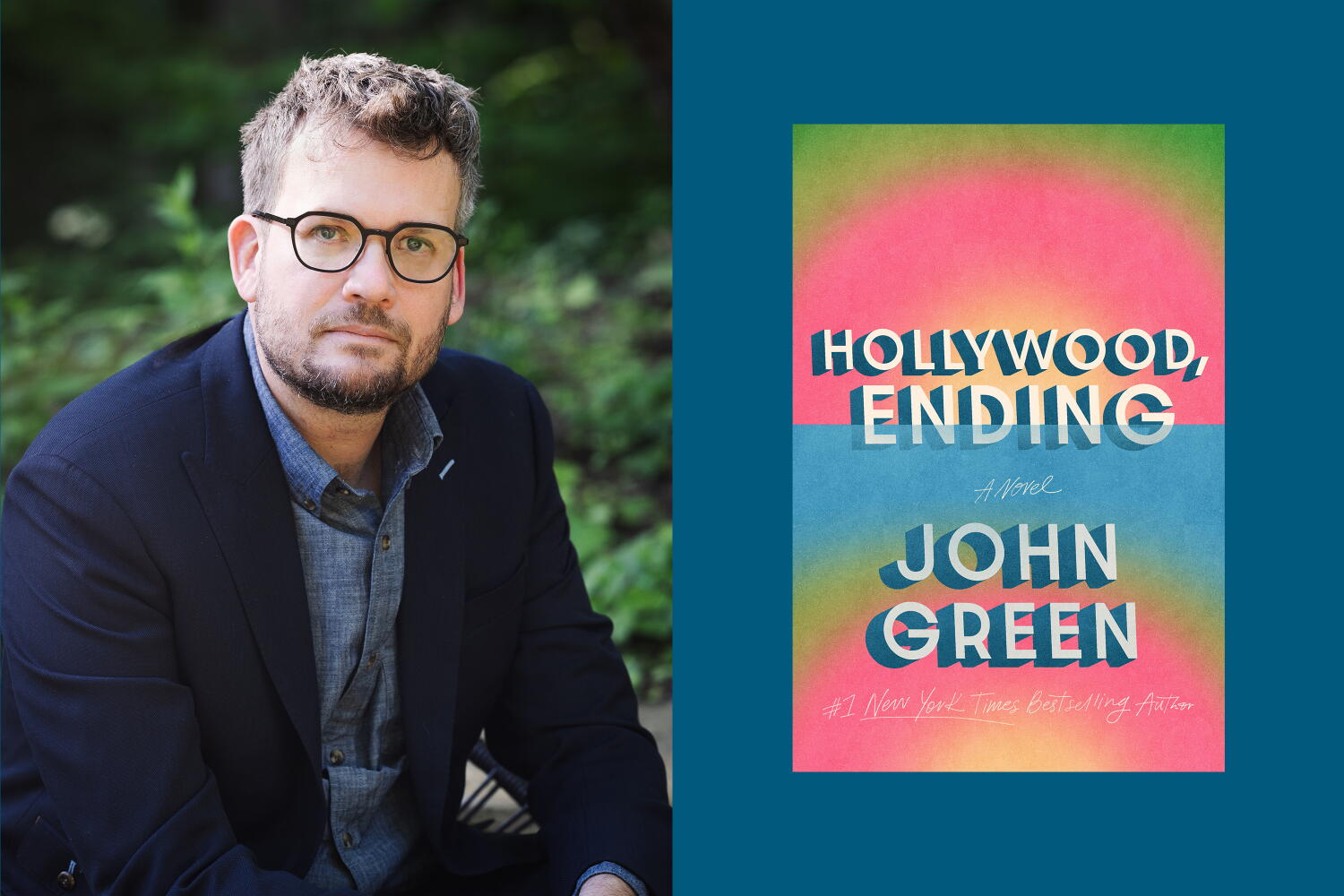
John Green can't picture images in his mind's eye. He has a condition called aphantasia, meaning his internal monologue doesn't come with a movie screen. Yet his first adult novel, Hollywood, Ending, paints an absurdly sharp picture of modern fame, digital exposure, and the machinery of celebrity.
For nearly a decade, readers wondered if the powerhouse author behind The Fault in Our Stars would ever write another novel. He spent years tackling non-fiction, diving deep into global health crises, and hosting internet shows. Now he's back with a story about two twenty-something actors, Kai Laramie and Juniper Castillo. They land lead roles in a buzzy indie biopic titled Andy Warhol Never Gets Old, tracking the final year of the pop art icon's life.
As the film blows up, so do their lives. And that's where Green starts pulling apart the messy intersection of art, trauma, and the internet.
Stepping Out of the Young Adult Sandbox
Why make the leap to adult fiction now? Green has spoken openly about feeling increasingly disconnected from the day-to-day realities of teenagers as he gets older. Writing characters in their twenties lets him wrestle with a different kind of disorientation.
Teenagers know they're trying to figure it out. Adults often pretend they already have, which makes the crash much worse when the internet decides to pick apart your life piece by piece.
The parallels to our current digital hellscape are impossible to miss. In Hollywood, Ending, the attention economy isn't just something movie stars deal with. It's the exact same transactional nightmare ordinary people face every time they open an app, trading personal boundaries for micro-doses of validation. Warhol predicted our current obsession with fame decades ago. Green takes that prediction and runs it through the meat grinder of social media.
The Warhol Connection and Modern Celebrity
Andy Warhol understood that mass media flattens human beings into commodities. He watched the dawn of modern celebrity culture and realized people stop seeing famous figures as living, breathing humans. Instead, they become projections—both larger than life and entirely hollow.
Kai and Juniper experience this firsthand on the set of Andy Warhol Never Gets Old. They're trying to forge a real connection, falling awkwardly in love while an entire industry tries to package their vulnerability for box office returns.
It's a clever structural trick. You get a story about actors making a movie about a man who commodified his entire existence, written by an author who has spent two decades managing an astronomical, internet-bred fandom. Green knows what it's like to have your personal life parsed by millions. When your work scales to massive heights, reality starts feeling optional.
What Readers Keep Missing About the Book
Most early reviews focus heavily on the Hollywood satire. That misses the beating heart of the text.
Beneath the cynicism about movie sets and digital footprints lies a tender manual for survival. Green isn't just writing an indictment of fame; he's writing about finding one safe person to hold onto when the world turns into a circus.
You see the fingerprints of his broader worldview across the pages. Trauma isn't a plot device you heal from by the final chapter. It's baggage you drag into grocery stores, film sets, and quiet hotel rooms.
If you want to understand why this book marks a massive turning point in contemporary fiction, stop looking at the bestseller lists and look at how we consume attention. Pick up a copy, read past the glitter of the movie premiere, and pay attention to the quiet spaces between the noise.