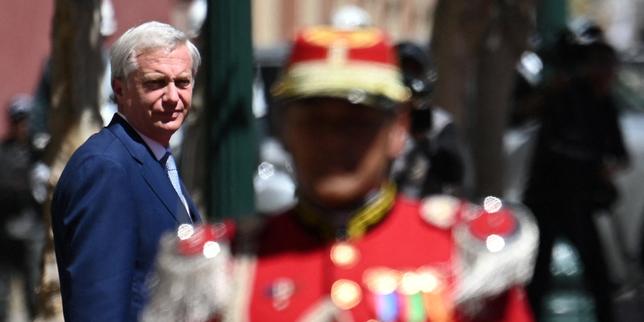
When an administration decides to slash arts funding, creators rarely stay quiet. In Santiago, the artistic community is sounding the alarm over sweeping fiscal rollbacks introduced by President José Antonio Kast. Since taking office following a deeply polarizing election cycle, the conservative leader has pivoted hard toward state austerity, putting Chile's vibrant creative sector directly in the crosshairs.
If you're watching Latin American politics, this script feels familiar. But the friction happening in Chile right now represents a deeper ideological clash over what public money should actually fund.
The Reality Behind the Chilean Budget Cuts
Kast’s administration didn't waste time dismantling policies left behind by previous leftist leadership. Financial austerity measures hit government ministries across the board, but the Ministry of Cultures, Arts, and Heritage faces an especially precarious path. Artists, independent filmmakers, and museum curators are staring down a future marked by frozen grants, canceled retrospectives, and an uncertain institutional framework.
Take the cancellation of high-profile exhibitions, such as the scheduled showcase of works by the late Argentine artist León Ferrari at the Museo Nacional de Bellas Artes. Controversial or overtly political art is finding zero shelter under the current administration. Officials are reviewing spending line by line, claiming the cuts eliminate bureaucratic bloat and institutional inefficiencies.
Creators see it differently. They argue that starving the arts isn't about fiscal responsibility—it's an intentional effort to reshape national identity around conservative values.
Why the Art World Is Fighting Back
Art has always been political in Chile. Decades after the shadow of the Pinochet dictatorship, the country's cultural scene treats freedom of expression as hard-earned territory. When a government starts tightening the purse strings while simultaneously prioritizing security over creative freedom, distrust builds instantly.
The pushback isn't just happening on social media or in opinion columns. Independent cultural collectives are organizing impromptu public forums, drafting open letters, and coordinating international solidarity networks. They know that once state funding dries up, independent spaces close their doors first, leaving only commercial galleries and state-sanctioned programming standing.
What Comes Next for Chilean Creators
Navigating this new political climate requires a complete shift in strategy for artists and cultural workers. Relying exclusively on state grants is no longer a viable career model in Chile. Creators are being forced to look toward private patronage, international crowdfunding, and cross-border collaborations to keep projects alive.
The clash between fiscal conservatism and artistic independence in Santiago serves as a bellwether for the rest of the continent. As political polarization deepens, culture remains the primary battlefield where a society negotiates its values.
Diversify funding sources immediately if you operate within creative industries in the region. Build independent digital distribution channels and lean on international alliances before local institutional support vanishes completely.