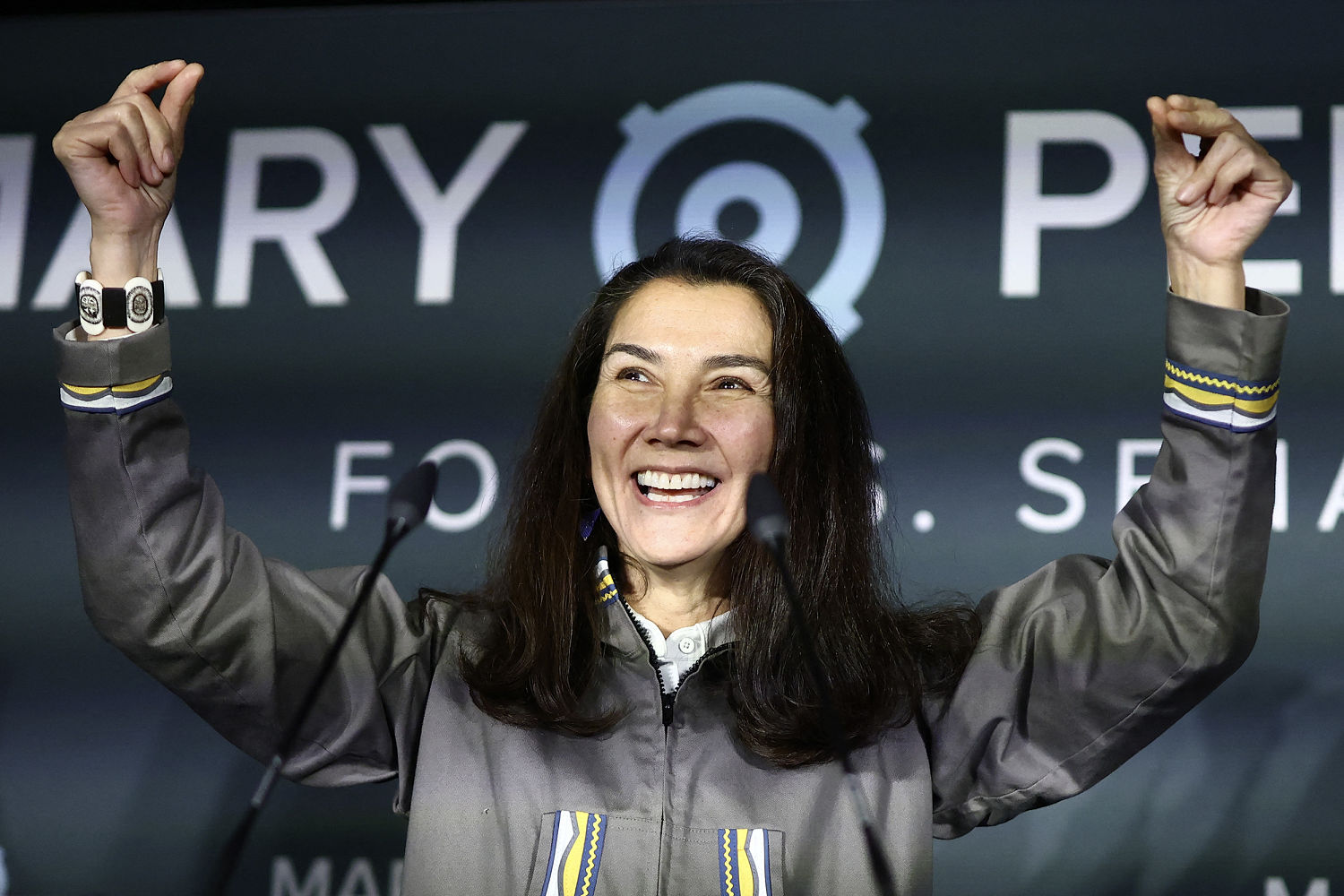
The Justice Department basically waved the white flag in the Alaska Senate race. On Thursday, November 19, 2026, federal prosecutors asked the Ninth Circuit Court of Appeals to declare its lawsuit over the contest between Democrat Mary Peltola and Republican incumbent Dan S. Sullivan moot. That filing landed two days after Alaska wrapped up its vote tabulation and confirmed Peltola's victory.
Let's be honest about what happened here. For weeks leading up to the November 3 election, the Trump administration turned a messy ballot-name dispute into a full-blown federal courtroom battle. Prosecutors wanted courts to intervene over the presence of two candidates named Dan Sullivan on the ballot—incumbent Republican Dan S. Sullivan and nonpartisan candidate Daniel J. Sullivan Jr.—and asked for remedies aimed at blocking or complicating certification if the incumbent lost. Now that ballots are cast, mixed, and counted, the Justice Department admits there's no practical way to untangle voter intent from ballots marked for Daniel J. Sullivan Jr. If you found value in this piece, you might want to look at: this related article.
Why the Justice Department Lawsuit Collapsed After the Vote
A lawsuit built on "what if" scenarios runs out of road fast once real votes are counted. Before Election Day, federal officials argued that the appearance of a second Dan Sullivan risked confusing voters and distorting the outcome. They even pushed to segregate ballots or block certification under certain outcomes. For another perspective on this event, check out the recent coverage from USA.gov.
U.S. District Judge Sharon Gleason, an Obama appointee, dismissed the suit on November 1—just two days before voters headed to the polls. Her core point was practical and legal: federal officials hadn't shown how a court could grant the requested relief while preserving ballot secrecy. Once voters fill out their ballots and election workers tally them, you can't peek inside a secret ballot to ask what a person meant to do.
By Thursday, the Justice Department had to face reality. In its appellate filing, the department acknowledged there's no longer any way to determine whether votes cast for Daniel J. Sullivan Jr. were intended for Senator Dan S. Sullivan. When your central theory of injury requires sorting out unprovable voter intent after the fact, the legal ground disappears beneath you.
Vacatur Games at the Ninth Circuit
Dropping a lawsuit isn't always a clean exit. Even while conceding the case is moot, the Justice Department asked the Ninth Circuit to vacate Judge Gleason's November 1 dismissal order and send the case back so it can be dismissed as moot.
Why ask for vacatur? Because a live district court ruling against your legal theory leaves a mark. If an appellate court vacates a lower court order due to mootness, that ruling loses its precedential sting in future fights. Still, asking a court to erase an adverse ruling right after your own timeline and remedies evaporate looks a lot like trying to save face on the way out.
Decoy Candidates and the Two Dan Sullivans
To understand why this blew up into national headlines, you have to look at how ballot confusion works in real life. Alaska's election system uses an open primary followed by ranked-choice general voting. In the August primary, incumbent Republican Dan S. Sullivan ran alongside Daniel J. Sullivan Jr., a retired teacher who appeared without party affiliation. Daniel J. Sullivan Jr. pulled roughly 2.5% of the primary vote—enough to finish in the top four and advance to the November general election.
Decoy or "name-twin" candidates aren't brand new in American politics. Operatives across the political spectrum have experimented with similar tactics for decades, hoping a familiar name might siphon off a sliver of votes from an opponent. Sometimes those efforts stay in the realm of dirty politics. Other times, they trigger subpoenas, state probes, and fierce public fights.
Reporting by The New York Times alleged that Peltola staffers were involved in recruiting the second Dan Sullivan, a claim Peltola denied. President Donald Trump publicly attacked the ballot situation, demanded prosecution, and said he told officials to bring the suit, while Alaska's Republican Gov. Mike Dunleavy ordered a state investigation and federal prosecutors issued subpoenas looking into an alleged scheme. Nobody has been charged with a crime in connection with the race, and state courts—including the Alaska Supreme Court—had earlier rejected efforts to keep Daniel J. Sullivan Jr. off the ballot.
Here's where people get tripped up: a suspicious campaign tactic isn't automatically a federal voting-rights violation that lets a court rewrite election certification. Election law has strict guardrails around ballot secrecy, state administration, and post-election remedies. Even when political tempers run hot, courts demand concrete, lawful remedies—not wishful thinking.
What This Means for Peltola, Sullivan, and Alaska
Peltola's win didn't just end the immediate courtroom push over certification; it reshaped the Senate map. With her victory over Dan S. Sullivan, Democrats expanded their Senate majority to 56 seats after the midterms, and Peltola—who is Yup'ik—is set to join Minnesota senator-elect Peggy Flanagan as the first two Native American women to serve in the U.S. Senate.
That doesn't mean the political dust has settled. Investigations and partisan arguments over how the second Dan Sullivan got on the ballot can linger long after the certified tally is posted. Voters in Alaska have already seen how ballot design, candidate names, and ranked-choice mechanics become flashpoints whenever a close race meets national politics.
In my view, this episode exposes a recurring mistake in high-stakes election litigation: filing sweeping emergency claims right before an election without a workable post-election remedy. Courts hate being asked to unscramble an egg after millions of people have already voted. Once Peltola won outright with more than 50% of first-choice votes on November 3, the urgency of blocking certification vanished overnight.
Broader Friction Between Federal Suits and State Election Rules
This wasn't an isolated clash. Right after the November 3 election, the Justice Department also moved to drop another high-profile election lawsuit—this one aimed at stopping California officials from counting roughly 20,000 ballots flagged over alleged noncitizen status, where state and local officials disputed the accuracy of the federal list.
When federal agencies jump into state-run election administration mid-stream, two problems show up right away:
- Timing mismatches: Pre-election motions often collide with tight printing, mailing, and counting deadlines.
- Data and secrecy limits: Courts won't pierce ballot secrecy or rely on contested lists without airtight proof and clear legal authority.
If you're following election disputes closely, pay less attention to cable-news soundbites about "conspiracies" and more attention to what judges actually ask in court. Judges zero in on jurisdiction, standing, ballot secrecy, and whether a remedy is even possible. Usually, that tells you the real strength of a case long before a press release comes out.
Practical Next Steps If You're Tracking This Story
If you want to stay ahead of what happens next in Alaska and in federal election litigation, skip the rumor mill and focus on primary records:
- Check Ninth Circuit docket filings: Watch for the appellate panel's order on whether it grants vacatur or simply dismisses the appeal as moot.
- Read the district court opinion: Look up Judge Sharon Gleason's November 1 ruling to see the exact legal reasoning on ballot secrecy and remedies—it's a clear primer on how federal judges view late-stage election suits.
- Follow official state and investigative updates: Separate any ongoing state or federal investigative announcements from campaign spin, keeping in mind that an investigation is not a criminal charge or a finding of wrongdoing.
- Review Alaska's official election results: Check the Alaska Division of Elections for final certified vote totals and candidate listings rather than relying on viral social media claims.
Trump DoJ moves to drop legal challenge to Mary Peltola’s Alaska Senate win provides helpful context on the timing of the Justice Department's appellate filing right after Alaska's vote count wrapped up.