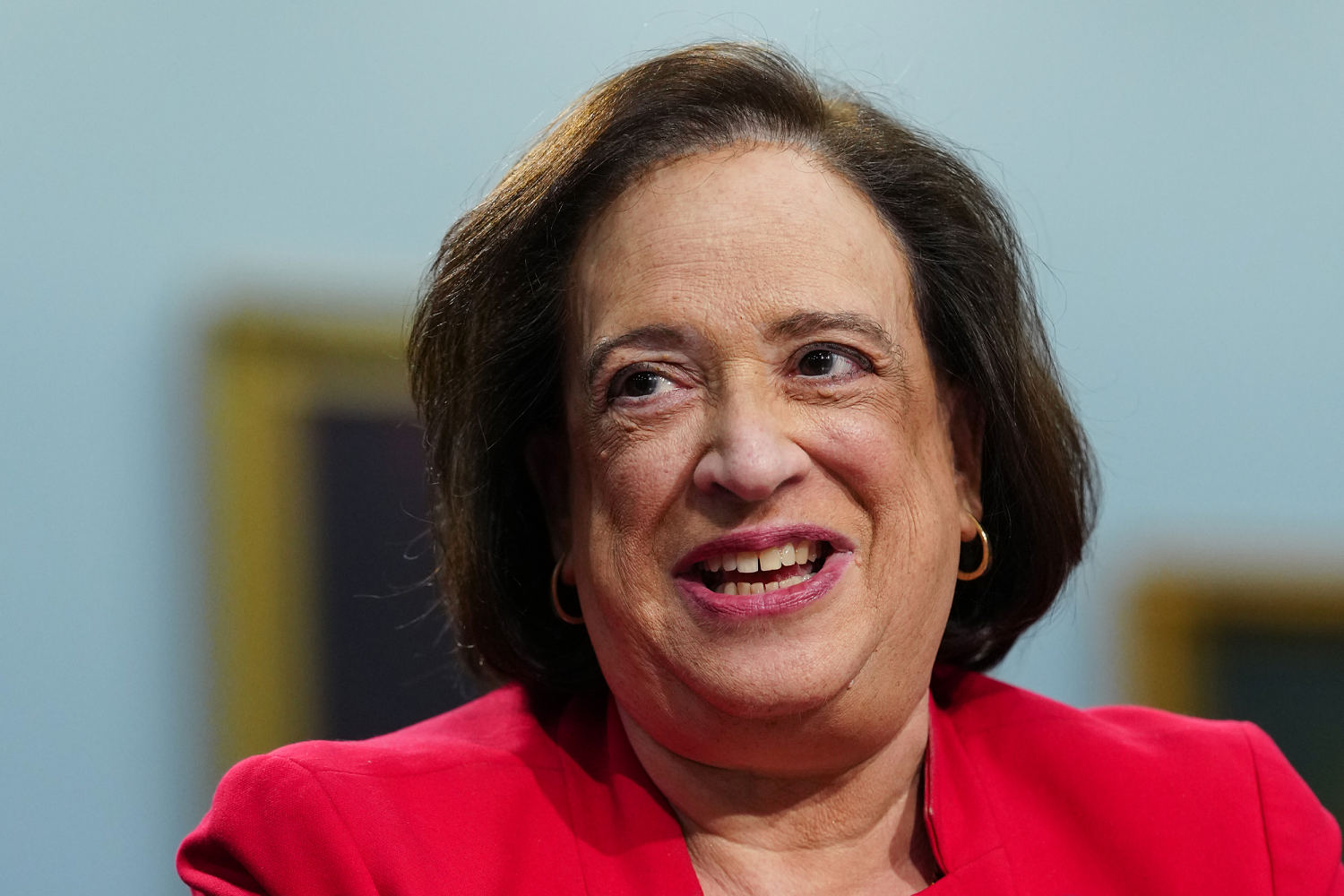
The highest court in the nation has a credibility crisis, and Justice Elena Kagan isn't staying quiet about it anymore.
When a sitting Supreme Court justice publicly critiques her own institution, people pay attention. Speaking candidly at Catholic University's law school, Kagan laid bare her deep concerns regarding the direction of the Supreme Court's conservative majority. She didn't mince words. She argued directly that recent rulings on campaign finance, voting access, and partisan map-drawing have severely damaged how the political system functions.
You might wonder why a Supreme Court justice would step outside the traditional bounds of judicial reserve to offer such a scathing public critique. The answer comes down to institutional legitimacy. When the public stops believing the courts are neutral arbiters of the law, the entire framework of American democracy starts to wobble.
The Real Cost of Partisan Gerrymandering
At the center of Kagan's critique is the fallout from decisions that essentially gave a green light to aggressive partisan gerrymandering. When the court ruled that federal judges have no role in policing partisan map-drawing, it triggered a race to the bottom.
State legislatures on both sides of the aisle seized the opportunity. They drew legislative districts designed to lock in permanent majorities, effectively insulating politicians from the voters they are supposed to represent.
Think about what that means on the ground. In many states, competitive elections have basically vanished. Lawmakers no longer need to appeal to moderate voters or build broad coalitions. They only need to worry about primary challengers from their own political extremes.
Kagan pointed out the obvious consequence. This dynamic creates a political system that doesn't work as it should. It drives hyper-polarization and alienates everyday citizens who feel like their votes simply do not matter.
Blinding the Bench to Real-World Consequences
A recurring theme in Kagan's critique is that the conservative majority routinely blinds itself to the practical effects of its legal interpretations.
Legal formalisms matter, of course. Judges are supposed to apply the text of the Constitution and statutes as written. But Kagan argues that ignoring the downstream consequences of sweeping legal changes creates a distorted reality.
When the court weakens federal voting rights protections or strikes down campaign finance limits, those aren't just abstract legal concepts. They change who gets to vote, how campaigns are funded, and whose voices actually get heard in Washington and state capitals. By dismissing these real-world impacts as mere policy disputes for legislatures to handle, the court enables an electoral environment where systemic inequality thrives.
Losing Connection with Public Sentiment
Judges aren't politicians. They shouldn't twist the law just to chase popularity polls. Kagan acknowledges that fundamental truth. However, she draws a sharp line between pandering to public opinion and losing all connection with the public sentiment that underpins a stable nation.
Historically, the Supreme Court maintained a reservoir of institutional goodwill. People accepted rulings they disagreed with because they trusted the process. That reservoir is running dry.
When rulings consistently align with a specific partisan agenda, the institution starts to look less like an impartial judiciary and more like a super-legislature. That shift carries massive stakes. Without public trust, a court cannot enforce its rulings, protect minority rights, or serve as a functional check on the other branches of government.
What Comes Next for the Judiciary
The debate over the Supreme Court's trajectory isn't going away anytime soon. As battles over voting access, redistricting, and executive power continue to land on the court's docket, the friction between the liberal minority and the conservative majority will only intensify.
If you want to understand where American governance is heading, watch how lower courts and state legislatures respond to these signals. The pressure on the federal judiciary to self-correct or face structural reforms will mount with every controversial cycle.
Pay attention to upcoming redistricting cycles and election law challenges. The rules of engagement for American democracy are being rewritten right now, and the Supreme Court remains the ultimate referee of a game that many citizens feel is increasingly rigged.