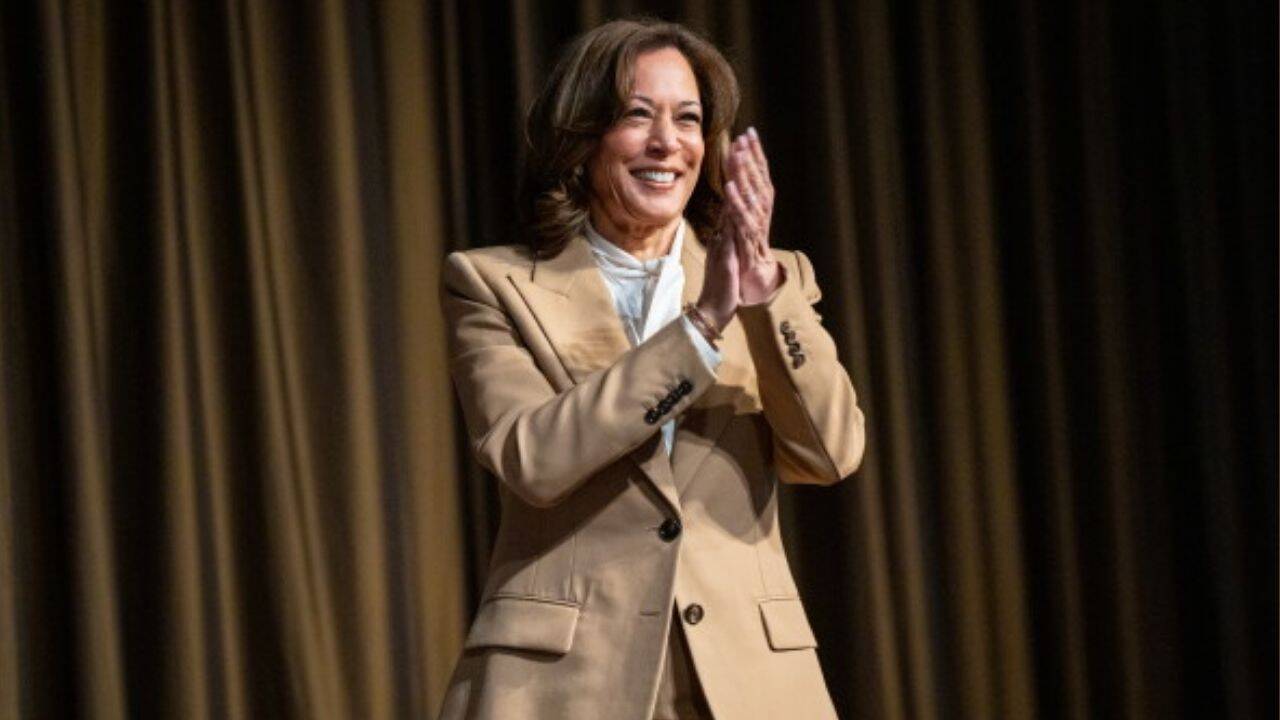
Elections end, but political gossip never actually sleeps in Washington. Barely two years after losing the White House to Donald Trump, Kamala Harris finds herself at the center of early chatter about a potential 2028 presidential campaign. Except this time, the pushback isn't just coming from the usual partisan opponents. It is coming from inside the house.
Recent reports from outlets like the Wall Street Journal and the New York Post reveal that Doug Emhoff has privately expressed a preference for his wife to skip another gruelling presidential run. At the same time, major Democratic donors are quietly warning the former vice president that a second consecutive national campaign could face steep structural hurdles.
Let's look at why this early 2028 conversation is turning complicated so fast.
The Donor Skepticism and the Weight of 2024
You can raise roughly one point five billion dollars, secure the nomination with barely over three months on the clock after Joe Biden steps aside, and still lose every single swing state in the Electoral College. That is the hard reality Kamala Harris walked away with in November 2024.
Major contributors who wrote massive checks during that frantic sprint are naturally gun-shy about round two. They aren't questioning her work ethic. They are looking at electoral maps, polling trends, and donor fatigue. Running a national campaign drains resources, tests party patience, and forces candidates to answer tough questions about past messaging and strategy.
When insiders suggest a 2028 bid is a long shot, they aren't just blowing smoke. They are looking at a Democratic primary field that will likely feature fresh faces eager to reset the party's brand without the baggage of a recent general election loss.
What Doug Emhoff Private Doubts Mean
Spouses of high-profile politicians rarely air their personal wishes in public unless things are shifting behind closed doors. Reports indicating that Doug Emhoff would prefer Harris to stay out of the next race highlight the brutal human cost of modern presidential politics.
Campaigning for the highest office in the world means enduring relentless scrutiny, security details, constant travel, and immense personal pressure. Emhoff has returned to private legal work, taking up a partnership at Willkie Farr and Gallagher LLP in Los Angeles, and the couple recently invested in an eight million dollar Malibu mansion. Life after the White House offers stability that political life destroys. While insiders fully expect Emhoff to support his wife if she ultimately pulls the trigger on another run, his private reservations reflect a very real desire for a normal chapter.
Where Kamala Harris Stands Right Now
Despite the friction from donors and family considerations, Harris isn't stepping away from public life or party politics. She leads hypothetical early primary polls by double digits simply because of name recognition and her standing as the most recent nominee.
Instead of declaring her intentions for 2028, she has focused her energy on the midterm elections. She has hit the fundraising circuit for candidates like Wisconsin gubernatorial hopeful David Crowley and Nevada's Aaron Ford, while jumping on calls with thousands of Democratic volunteers to push get-out-the-vote efforts.
During an appearance at a Detroit NAACP event, Harris addressed the elephant in the room directly. She noted that she hadn't decided on a 2028 run and added that the immediate focus must stay on the midterms, stating that twenty-eight won't matter if Democrats don't navigate twenty-six correctly.
The Road Ahead for the Democratic Party
The Democratic Party faces an identity crisis that goes far beyond one individual. Do they lean toward established figures with massive name recognition, or do they completely turn the page to a new generation of governors and senators?
Kamala Harris holds a massive structural advantage if she wants the nomination, but advantages don't automatically translate to victories. The next two years will test whether she can reshape her political narrative, win over skeptical donors, and convince her own inner circle that another grueling campaign is worth the toll.
Don't expect a definitive announcement anytime soon. The calculus of presidential politics moves slowly until it explodes all at once.