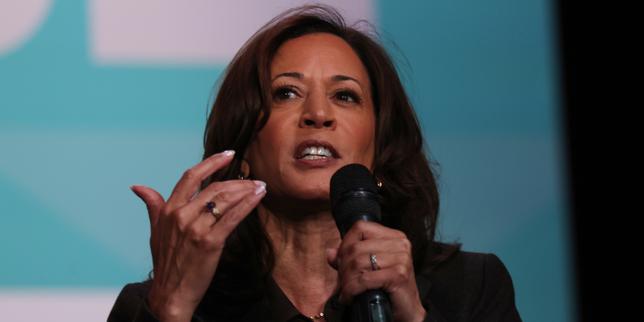
Call it a courtesy visit if you want. Nobody in diplomatic circles treats a Paris sit-down between Emmanuel Macron and Kamala Harris as simple small talk.
Scheduled for Friday, November 20, 2026, this brief stop in the French capital puts Macron face-to-face with a former U.S. vice president who still hasn't closed the door on a 2028 White House run. Timing does almost all the talking here. Relations between Macron and President Donald Trump are visibly strained, and European capitals are watching Washington's moves on Ukraine, Russia, and Iran with deep unease. Meanwhile, you can read other stories here: Why Australia Response To The Rohingya Genocide Ruling Falls Short.
If you're searching for what this meeting actually means, here's the bottom line right up front. Macron is hedging his transatlantic bets while Harris is testing out foreign policy bandwidth before 2028 gets real. Neither side is signing treaties on a Friday afternoon, yet both leaders get something concrete out of sharing a room.
http://googleusercontent.com/lmdx_content/xHSNBmpBcCWNEgucnRbgjaMOgeRYISAtvlGhpGSWEvlYqVsyOXpNlQPlbdoyYXCmurJGLBDOwaIxZwtqfFaqLgOgWQgGpVDigYhSJqESsfYbHjdxMLZXDS109760 To see the complete picture, we recommend the recent report by NBC News.
Why Kamala Harris and Emmanuel Macron Are Meeting Now
A "courtesy meeting" is diplomatic shorthand for we have things to compare off-script, even if nobody holds a joint press conference afterward. Over years of tracking summits, briefings, and bilateral travel, I've noticed that out-of-office or pre-campaign meetings in Paris rarely happen by accident. The Elysee has an agenda, and visiting Americans always have an eye on credibility.
For Macron, the friction with Washington isn't theoretical. He has publicly pushed back against the U.S.-Israeli war on Iran and criticized Trump's warming posture toward Russian President Vladimir Putin, especially around negotiations over the war in Ukraine. Just days earlier, European leaders gathered in Berlin for a summit of Ukraine's allies to press for air defense and long-term support, warning against big-power deals cut over Europe's head after summits involving Trump, Xi Jinping, and Putin.
Sitting down with Harris lets Macron keep a channel open to prominent Democratic figures without pretending Harris currently sets U.S. policy. Honestly, any seasoned French president knows that American politics swings hard every two to four years. Hedging isn't disloyalty—it's basic survival in foreign policy.
From Harris's side, a trip to Paris serves a different purpose. After serving as vice president from 2021 to 2025 and stepping in for a 107-day presidential run in 2024 following Joe Biden's withdrawal, she lost the general election to Trump. Since then, she's stayed visible—campaigning during the 2026 midterms and talking openly about weighing another run in 2028—without formally declaring candidacy.
Meeting a sitting G7 head of state signals familiarity with European security debates. Even without a badge of office, standing beside Macron reminds donors, allies, and voters that she still moves in global rooms.
What Is Actually at Stake for Europe and Washington
Let's be clear about what a former vice president can and cannot deliver. Harris doesn't control sanctions, weapons shipments, or diplomatic envoys right now. That authority sits in Washington with the current administration.
Still, real stakes surround the conversation:
- Ukraine and European security: European allies are trying to shore up financing and air defenses for Kyiv while wrestling with how Washington engages Moscow. Macron has urged allies to ramp up defense aid and reopen the question of Ukraine's NATO path given Moscow's maximalist demands. Comparing notes with a likely Democratic contender helps Europeans gauge how opposition leaders view burden-sharing and alliance commitments.
- Middle East escalation: Friction over the conflict involving Iran tests how aligned—or divided—Western capitals remain on military escalation and regional stability.
- Institutional continuity: Even when leaders clash, France and the United States share deep intelligence, defense, and commercial ties that outlast any single election cycle.
A common mistake people make when reading about these meetings is treating them like a shadow presidency. They aren't. A private or semi-official talk in Paris won't change tomorrow's troop movements or tariff schedules. What it does change is framing—how each leader talks about the Atlantic alliance when cameras are rolling back home.
Does This Signal a 2028 White House Campaign?
Not officially, and probably not quite yet. Harris has kept her options open throughout 2026. In spring appearances she said she was thinking about another run, and ahead of the 2026 midterms she told interviewers she hadn't made a final call yet while pushing party turnout.
Look at how political contenders operate two years out from a presidential election. They travel. They meet foreign leaders. They test messages on democracy, alliance strength, and economic fairness without triggering federal campaign deadlines prematurely.
At the same time, running again after a 2024 loss comes with real hurdles. Supporters who cheered her at rallies also talk candidly about electability, party direction, and whether Democratic voters want a familiar standard-bearer or a fresh face in 2028. Other governors, senators, and party figures will have plenty to say before any primary begins.
So yes, the Paris stop fits a classic pre-2028 playbook. No, it doesn't lock in the Democratic nomination. Anyone claiming otherwise is reading tea leaves past the edge of the cup.
What Most Coverage Misses About Paris Diplomacy
When wire reports cover a quick Paris stop, they tend to reduce it to personalities and horse-race speculation. That misses how France actually uses its diplomatic calendar.
Macron has long leaned into being a bridge—and sometimes a contrarian—between Europe, the U.S., and other global powers. When relations with the White House hit rough patches over Ukraine negotiations or Iran, Paris looks for ways to keep strategic autonomy alive while staying plugged into American political currents.
There's also a practical rhythm to U.S.-France ties. Harris has visited France previously as vice president, including around bilateral talks and commemorative events in Paris, so the protocol channels are familiar. That familiarity lowers friction. Both sides already know how to keep a meeting polite, substantive, and leak-resistant.
Critics might argue that meeting an out-of-power politician risks annoying the sitting U.S. president. That's a fair objection—diplomacy is a high-wire act, and perceived slights can echo fast in Washington. Supporters of the outreach would counter that allies have every right to talk with major political figures from both parties, especially when major security questions hang in the balance. Both arguments hold weight depending on how tense U.S.-French relations get next week.
Practical Ways to Follow This Story Without Getting Fooled
If you want to track this meeting and the broader 2028 foreign-policy chatter smartly, skip the hot takes for a minute and watch concrete signals:
- Read the readout wording carefully. Pay attention to whether the Elysee or Harris's team releases a factual summary or stays quiet. Vague praise usually means polite alignment on broad principles rather than policy breakthroughs.
- Track European summit follow-through. Watch what happens after meetings like the Berlin talks on Ukraine—specifically concrete commitments on air defenses, funding, and diplomatic representation—rather than relying on single bilateral stops.
- Separate campaign positioning from governing power. Whenever a non-officeholder meets a world leader, ask what lever that person actually holds today versus what role they hope to claim two years from now.
- Check multiple sources across borders. Comparing French, U.S., and international reporting helps spot where domestic political spin ends and diplomatic reality begins.