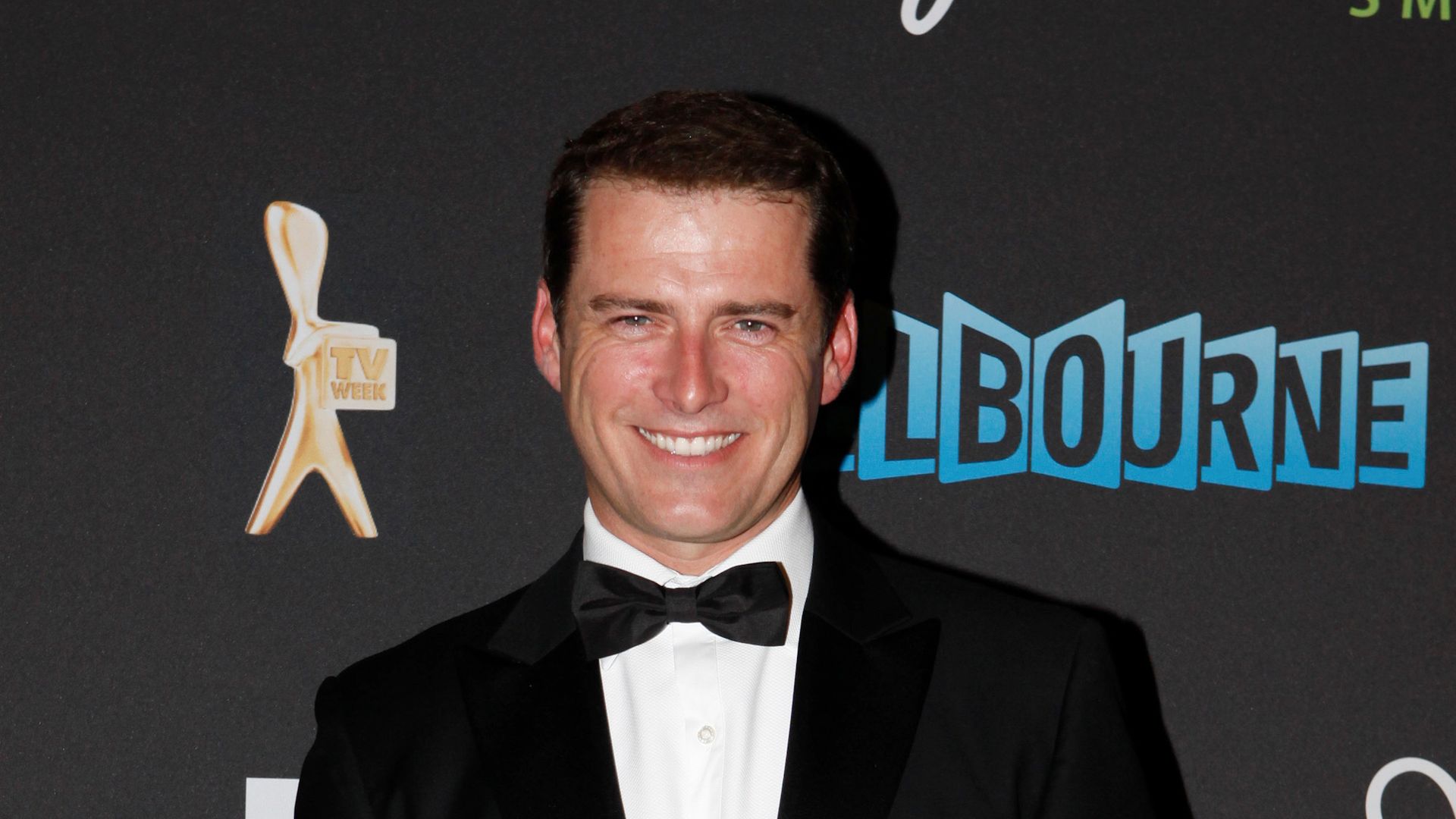
Karl Stefanovic just learned the hardest lesson in modern media. You can't pocket a $2.8 million corporate salary while playing the unfiltered internet shock jock on the side.
The veteran host of Channel Nine's flagship breakfast program Today is reportedly on his way out the door. The catalyst? A bizarre, chummy London street-walk interview with British far-right provocateur Tommy Robinson, published on Stefanovic’s independent side-hustle podcast.
It took less than twenty-four hours for the video to disappear from mainstream platforms, but the damage was already done. Media executives panicked. Advertisers pulled back. Shareholders lost their patience. This isn't just a story about a bad editorial choice. It’s a case study in what happens when the tightly controlled world of mainstream broadcasting collides with the messy, high-risk world of independent digital content.
The London Walk That Cost Millions
Stefanovic was on a scheduled two-week leave from his day job in London when he decided to record episodes for The Karl Stefanovic Show. The podcast launched earlier this year with a promise to show a raw, unchecked version of the broadcaster.
Then came Tuesday. Stefanovic published an hour-long sit-down with Robinson, whose real name is Stephen Yaxley-Lennon.
The promotional clip on social media set the tone immediately. The two men walked side-by-side down a London street. Stefanovic had his arm slung around the shoulders of the co-founder of the English Defence League. At one point, Robinson turned to the camera and asked Stefanovic to fill in the blank: "Keir Starmer is a...?"
Stefanovic didn't hesitate. "Wanker," he replied. Both men burst into laughter.
For a man who represents the face of morning TV for millions of everyday Australians, the optics were disastrous. It got worse during the actual interview. Stefanovic didn't press Robinson on his criminal record, his role in fueling UK immigration riots, or his multiple convictions for assault, fraud, and contempt of court. Instead, Stefanovic looked at him and said, "I really do admire your tenacity and the courage that you're showing in trying to stand up for what you believe is right."
Inside the Executive Panic at Nine Entertainment
Mainstream television relies entirely on corporate advertiser dollars. When you're the highest-paid news presenter in the country, you aren't just paid for your talent. You're paid to protect the network's brand equity.
Nine executives were completely blindsided by the episode. While Stefanovic’s podcast was technically an independent venture, the public doesn't separate the man on the podcast from the man on the morning news. By Wednesday morning, Nine's corporate headquarters turned into a war room.
The internal fallout was swift:
- Journalist Backlash: Serious reporters inside Nine’s mastheads, including The Sydney Morning Herald and The Age, expressed intense frustration. They felt Stefanovic’s uncritical platforming of a far-right extremist damaged the journalistic credibility of the entire network.
- Shareholder Pressure: Institutional investors made their anger known to the board. Mainstream media networks are already facing tight margins; the last thing they need is a brand crisis.
- The Internal Nickname: Reports surfaced that frustrated staff had taken to calling him "Karl Bogan" behind his back—a biting mix of US podcaster Joe Rogan and the Australian slang term for a rough, unrefined character.
Nine released a swift, defensive statement noting the podcast was a completely independent production with no network involvement in guest selection. But nobody bought it. Within hours, the interview vanished from YouTube, Spotify, and Apple Podcasts.
The Boycott and the Political Tug of War
The digital scrubbing didn't stop the firestorm. An activist group called Mad F***ing Witches immediately began organizing an advertiser boycott against the Today show under the social media banner #KancelKarl. They targeted the companies buying commercial slots during Stefanovic's morning broadcast.
When activists start hitting the revenue pipeline, network executives stop looking for compromises. They look for exits.
Predictably, the political right rushed to fill the vacuum. Pauline Hanson, the leader of the populist One Nation party and Stefanovic’s very first podcast guest, grabbed the deleted video and uploaded it to her own YouTube channel with the word "CANCELLED" slapped across the title.
Hanson went on Sky News Australia to defend her friend, claiming Nine management was weak and moving too far to the left. She even publicly offered Stefanovic a job in her office. Robinson himself re-uploaded the video to his own channels, turning the entire debacle into a rallying cry for his followers.
This created the ultimate nightmare for Nine. Their mainstream star was now the centerpiece of a highly charged political culture war.
Why the Independent Podcast Model Is a Trap for TV Stars
We've seen a massive shift in how media figures operate. Traditional broadcasters look at the massive audiences and financial freedom of independent podcasters and want a piece of the action. They think they can maintain their safe, corporate daytime television roles while building an edgy, anti-establishment digital brand on weekends.
It's a trap. It almost never works.
When an independent creator like Joe Rogan says something controversial, his audience expects it. His business model is built on friction and anti-establishment viewpoints. He answers to his subscribers and direct sponsors.
When Karl Stefanovic tries to do the same thing, he forgets that he's tethered to a multi-billion-dollar corporate entity. Every time he nods along with a controversial figure, he compromises the commercial relationships that fund his multi-million-dollar salary. You can't have both.
What Happens Next for Karl Stefanovic and Corporate Media
Reports indicate that Stefanovic is currently negotiating the terms of his exit from Nine. His contract was already set to expire in December, making a clean break relatively easy for the network. The fallout has also bled into his other ventures, with audio company ARN Media quickly distancing themselves from his personal projects.
This situation changes the rules for every major media company in Australia and beyond. Here are the immediate steps networks and talent must take to survive this shifting media environment.
1. Tighten Side-Hustle Contract Clauses
Media networks will no longer allow talent to run "independent" side projects without strict editorial oversight. Expect future contracts to include absolute veto power over guest selection, topics, and external video clips for any personal media venture run by an on-air personality.
2. Establish Clear Separation of Brands
If a presenter wants to launch a podcast, it either needs to be fully owned and monitored by the network, or the presenter must leave their corporate chair entirely. The illusion of a "personal capacity" project doesn't exist when your face is on billboards across the country.
3. Build Rapid-Response Crisis Protocols for Social Media
Scrubbing a video twelve hours after it goes live is an outdated strategy. It doesn't work in an era where users can rip, re-upload, and distribute video across alternative platforms within minutes. Networks need faster internal tracking to catch these issues before they go live.
Stefanovic thought he could unleash a curious beast through a personal podcast. Instead, he unleashed a corporate crisis that looks to have ended his twenty-year run on morning television. It’s a stark reminder that in the modern media economy, your personal brand is never truly personal if someone else is signing your multi-million-dollar checks.