You see the dark, shimmering patch of water stretching across the asphalt, and your brain does a quick, dangerous calculation. I can make that. It doesn't look deep.
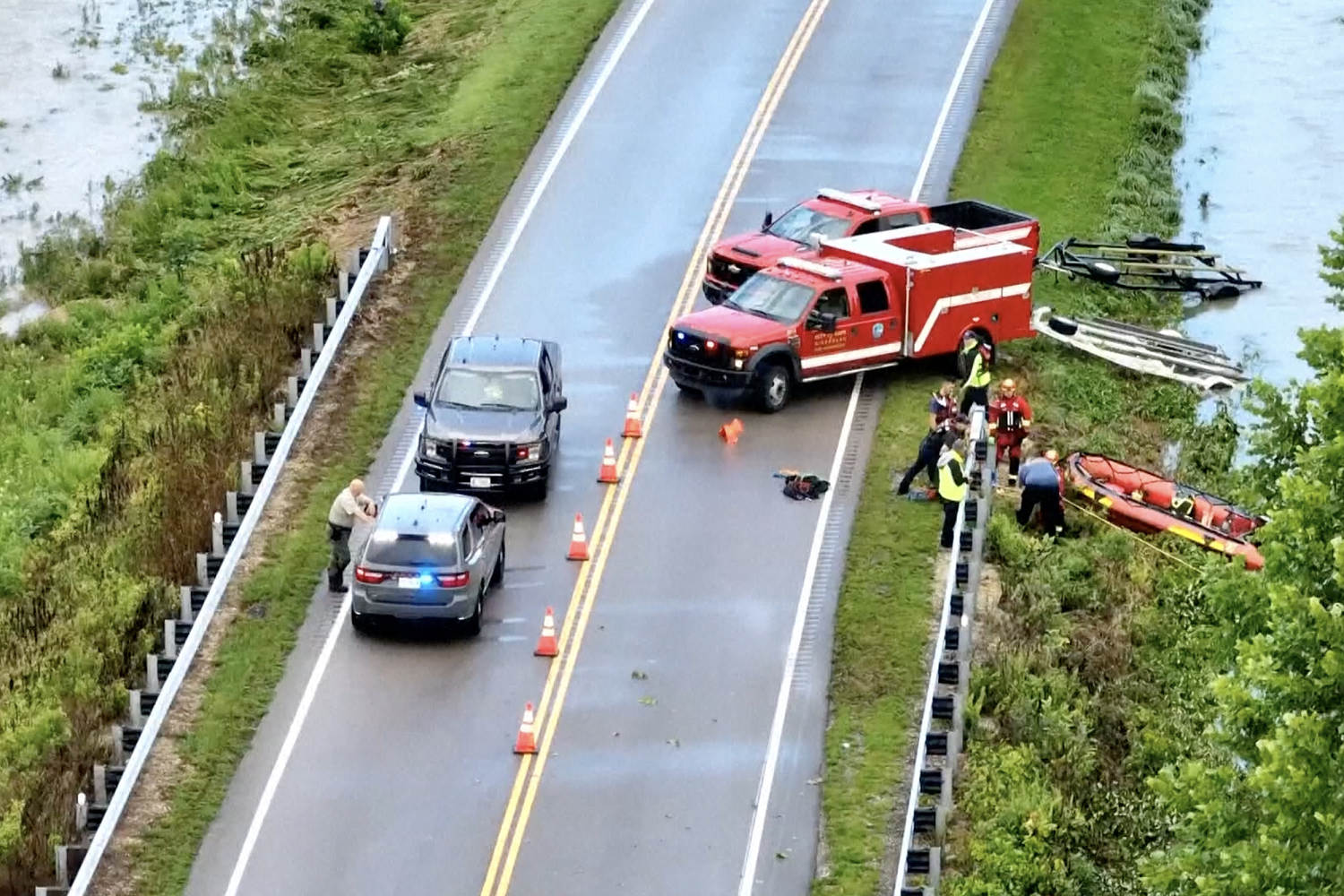
That single thought keeps triggering massive emergency responses across southeast and eastern Missouri, where relentless, training thunderstorms recently dumped up to a foot of rain in some areas, turning quiet suburbs and rural county roads into raging rivers. First responders have been pulling people out of submerged vehicles and flooded homes for days. The National Weather Service even took the rare step of issuing its first-ever Flash Flood Emergency for parts of the region, signaling a catastrophic threat to life.
Yet, despite decades of public safety campaigns screaming "Turn Around Don't Drown," people keep driving right into the current.
It's not just a matter of stubbornness. It's a fundamental misunderstanding of hydrologic force and vehicle physics. If you think your heavy SUV makes you safe from a couple of inches of moving water, you are dead wrong.
The Brutal Physics Behind Stranded Vehicles
People assume a multi-ton vehicle stays planted because of its weight. They forget that cars are essentially giant, hollow metal boxes filled with air. They float.
[Moving Water] ---> [Pushes Tires / Creates Buoyancy] ---> [Vehicle Loses Traction & Sweeps Away]
It takes shockingly little water to lose control. Just six inches of fast-moving water can knock an adult off their feet or reach the bottom of most passenger cars, causing stalling and loss of control. A foot of rushing water will float many vehicles. Two feet of raging water can sweep away almost anything, including heavy-duty pickup trucks and commercial SUVs.
When a slow-moving storm system stalls over Missouri—drawing intense moisture from the Gulf of Mexico and dumping it faster than the terrain can absorb it—it creates a scenario where dry creek beds become white-water rapids in minutes. The state's geography, with its rolling hills and extensive river networks, means runoff accumulates rapidly in low-lying crossings. By the time you realize the water is rising, the current has already trapped your vehicle against a guardrail or pushed it into a ditch.
What First Responders Wish You Knew About Water Rescues
Wading into a flash flood isn't like swimming in a pool. The water is a toxic, violent soup of displaced sewage, agricultural runoff, heavy debris, and hidden logs moving at ten to twenty miles per hour.
When fire departments and swift-water rescue teams deploy boats or high-water vehicles, they are risking their lives to fix your bad decision. Rescuers have to contend with unpredictable undercurrents and submerged hazards that can easily flip an inflatable boat.
A Real-World Rule of Thumb: If you can't see the painted lines on the road beneath the water, you have zero business trying to cross. The roadbed itself might already be washed away underneath, leaving a deep pit that will swallow your front axle instantly.
🔗 Read more: danville church of christ ky
If you ever find yourself trapped in a vehicle filling with water, stop trying to save your car. Get out of your seatbelt, roll down the window immediately before the electrical system shorts out, and get onto the roof of the vehicle. Waiting inside for the water to reach your chin makes escaping nearly impossible due to the immense water pressure sealing the doors shut.
How to Prepare for the Next Inevitable Deluge
Flash flooding isn't going away. In fact, atmospheric data shows storms are increasingly dropping more water in shorter windows. Surviving means shifting how you monitor the weather and how you behave during a major event.
- Ditch the standard weather app: Standard apps give you a generic rain percentage. Use the National Weather Service (weather.gov) and pay attention to specific terms like "Flash Flood Emergency" or "Training Thunderstorms," which mean storms are continuously tracking over the exact same footprint.
- Keep an escape tool in the center console: A dedicated window breaker and seatbelt cutter can save your life if your vehicle becomes submerged. Keep it where you can grab it while buckled.
- Map out alternative high-ground routes: If you live near small creeks or low-water bridges in southeast Missouri, identify routes that stay on ridgelines. Never rely on a route that requires crossing a valley during a torrential downpour.
Stop treating flash flood warnings as a minor inconvenience for your morning commute. When the sky opens up and the roads start disappearing, stay put. No destination is worth forcing a rescue crew to launch a boat to save you from a submerged roof.