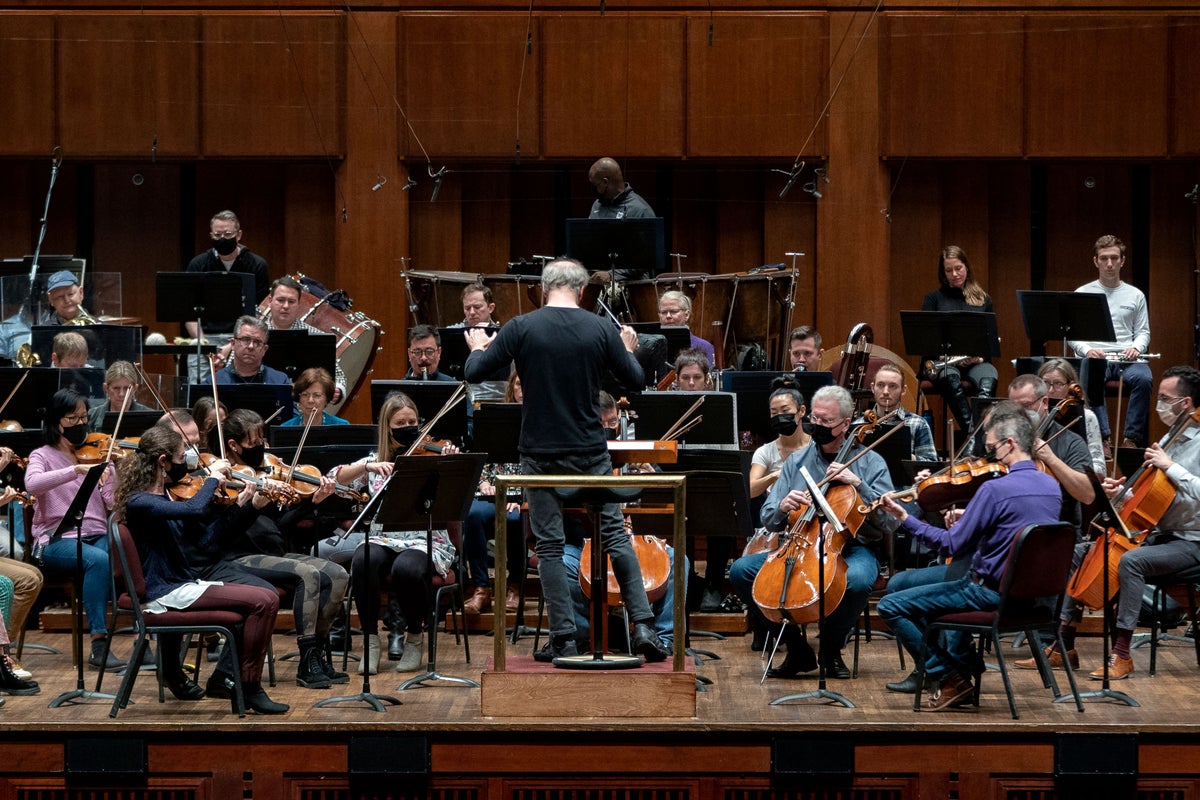
When politics aggressively collides with high culture, the art usually loses. That reality is playing out in real-time in Washington, D.C., where the National Symphony Orchestra finds itself trapped in an unprecedented financial free fall.
If you look at why the NSO is suddenly struggling to keep its doors open, the trail leads straight back to the chaotic political takeover of the John F. Kennedy Center for the Performing Arts. Confidential documents and internal reports reveal an organization on the ropes, bleeding ticket sales, and facing a catastrophic collapse in donor confidence.
Let's look at what's actually happening behind the scenes, why audiences vanished, and whether this historic orchestra can survive the fallout.
The Immediate Financial Free Fall
The numbers don't lie, and they aren't pretty. Contributed revenue—spanning individual gifts, corporate sponsorship, and foundation grants—plunged roughly 25 percent below budget projections over the past fiscal year.
Ticket sales tell an equally grim story. Classical concert capacities have cratered, with some performances playing to empty halls or relying on heavy ticket giveaways just to put bodies in seats. Consider a recent example highlighted in internal documents: a pair of Bee Gees tribute shows expected to clear over $200,000 brought in less than $30,000 because barely 400 people showed up.
When an internationally acclaimed orchestra starts performing to ten-percent capacity crowds, the business model breaks down instantly.
The Cost of Politicizing a National Treasure
For decades, the Kennedy Center managed to stay largely insulated from partisan crosswinds. That fragile neutrality shattered when political leadership seized direct control of the institution, ousted the long-serving chairman, and slapped a controversial personal branding campaign across the white marble facade.
Artists didn't wait around to see what happened next. High-profile performers canceled shows, artistic advisors resigned in protest, and loyal patrons stopped opening their checkbooks.
Andrew Taylor, an arts management expert at American University, didn't mince words when reviewing the internal financial records, calling the downturn "fairly catastrophic". Donors simply stopped giving to an institution wrapped up in daily political controversy.
Caught in the Crossfire
The musicians filling out the NSO sections didn't ask for a political fight. They show up, tune their instruments, and play. Yet they're the ones paying the ultimate price.
Uncertainty has paralyzed future planning. The orchestra's upcoming season remains clouded in doubt because leadership delayed approving foundational operating budgets. Without a finalized budget, staff cannot announce upcoming programs, launch subscription drives, or convince hesitant patrons to lock in tickets months ahead.
Worse still, planners have floated drastic contingency options—including a complete two-year pause on all NSO programming while facility renovations stall out. Paying musicians just to stay home or halting a century of continuous performance culture isn't a strategy. It's a slow-motion dismantling of an elite cultural asset.
Even legal wins offer little immediate relief. Federal courts recently ordered the controversial signage stripped from the building and ruled against retaliatory lawsuits targeting dissenting artists. While those rulings restore a degree of legal sanity, cleaning up the financial damage takes much longer than scrubbing letters off a wall.
The NSO needs stable leadership, independent governance, and an audience willing to return to the hall. Until those pieces fall back into place, Washington's premier orchestra remains in serious jeopardy.