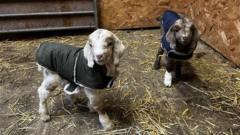
Running an animal rescue is a relentless grind, and space is always running out. A goat sanctuary in Kent just secured an additional 16.9 acres of land, a massive expansion that will allow them to house up to 160 goats.
If you've ever spent time managing livestock or volunteering at a rescue, you know that finding suitable acreage is only half the battle. Hoof health, fencing maintenance, and winter pasture rotation turn simple land acquisition into a massive logistical puzzle.
The Reality Behind Animal Sanctuary Expansion
Most people see pictures of rescued goats online and think it's all headbutting videos and cute sounds. They don't see the heavy daily upkeep. Goats require secure perimeters, specialized shelters, and rotating fields to prevent parasite buildup.
When a facility adds nearly 17 acres, it means moving miles of fencing and setting up reliable water lines across rough terrain. It isn't just about buying dirt; it's about building a sustainable ecosystem for animals that often arrive neglected or injured.
Why Goats Need So Much Space
Goats are browsers, not grazers like sheep or cattle. They prefer eating shrubs, tree bark, and weeds over flat grass. Keeping them in a cramped environment leads to bored animals, behavioral problems, and rapid overgrazing.
With this new land purchase in Kent, the sanctuary can finally give these animals room to roam naturally. Rotating pastures breaks the lifecycle of internal parasites, reducing the need for heavy chemical treatments. That keeps vet bills down and keeps the herd healthy.
The Surprising Burden of Pet Goats
The demand for goat rescues isn't slowing down. Too many people buy baby goats thinking they stay small and manageable, treating them like eccentric dogs. Once those animals grow up, become destructive, or require specialized veterinary care, owners look to dump them.
Rescues absorb the shock of these impulse purchases. Expanding capacity to 160 goats highlights just how many unwanted animals need safety nets across the UK.
What Actually Matters Next
Buying land is a great headline, but the real work starts now. Infrastructure costs money. Fencing, medical quarantine stalls, and winter barns require continuous funding. If you want to support operations like this, look past one-off donations. Set up monthly contributions or sponsor specific feed and medical programs. That's what keeps rescue operations alive through the winter months.