You don't just forget when a friend goes out for coffee and never comes back. But in Nairobi right now, that's exactly what families are being forced to live through. As the clock ticks down to the 2027 presidential election, Kenya's political landscape is fracturing, and a brutal, quiet weapon has made a terrifying comeback: enforced disappearances.
Let's skip the diplomatic jargon. If you think the mass abductions that gripped the country during the 2024 Gen Z tax protests were a temporary crisis, you're dead wrong. The state hasn't stopped. It has just changed its strategy. Instead of snatching hundreds of angry teenagers out of teargas-filled streets, security operatives are now running a targeted, surgical campaign against the precise thinkers, bloggers, and organizers who could disrupt President William Ruto's 2027 re-election bid.
The state's goal is obvious. They want to break the spine of the civic movement before campaign season hits full throttle.
The Calculated Re-emergence of the Unmarked Subaru
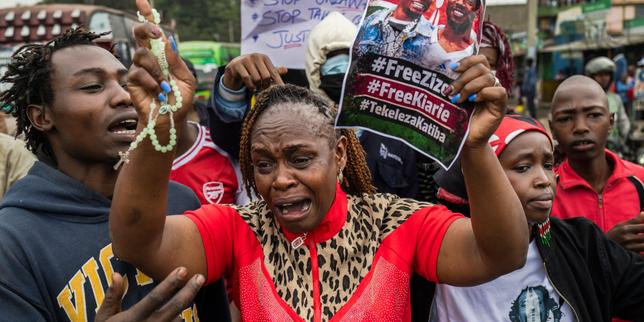
The Kenya National Commission on Human Rights recently flagged a horrifying uptick in targeted abductions, documenting a fresh wave of state-linked disappearances. Activists like Davis Lichuma, MacMillan Kiarie, and Abdulaziz Molu became names on a growing, tragic list, prompting their families to issue desperate 24-hour ultimatums to the National Police Service.
We aren't talking about rogue criminals here. We're talking about the chillingly familiar playbook of plainclothes operatives, often linked to the Directorate of Criminal Investigations, pulling up in unmarked vehicles and dragging critics into the night.
Why now? Because the 2027 election is already looking incredibly messy for the current administration. Ruto's political machinery is facing massive stress. His former Deputy President, Rigathi Gachagua, was dramatically impeached and has since been working to rally a united opposition front. Combine that with the political vacuum left by the death of veteran opposition giant Raila Odinga, and the ruling Kenya Kwanza coalition is visibly sweating about maintaining its grip on power.
When an administration feels cornered by political realignment, its immediate instinct is to silence the loudest voices outside the parliament walls.
What the Mainstream Media Leaves Out
Most international coverage treats these human rights abuses as isolated instances of police brutality. They aren't. They're a core pillar of electoral strategy.
Look at how the government handles dissenters who manage to stay above ground. When the Standard Media Group aired a damning investigative feature exposing unfulfilled campaign promises, Ruto didn't offer a policy debate. He took to social media to accuse them of spreading propaganda, telling them to "do your worst" while his administration simultaneously choked out the media house by withholding billions of shillings in state advertising revenue.
When alternative censorship and financial starvation don't work, the unmarked cars go out.
The state's official line on the missing activists is almost comical if it weren't so sinister. Interior Principal Secretary Raymond Omollo openly claimed that some of these victims are simply staging their own disappearances to tarnish the government's image. It's a classic gaslighting tactic meant to sow doubt, weaken public sympathy, and give police cover to keep operating completely outside the law.
The Fight to Move Dissent From the Streets to the Ballot Box
The real threat to the status quo isn't a sudden riot; it's a organized voter block. That's why activists are being targeted so aggressively. Organizations and grassroots movements are actively trying to channel the raw anger of the last few years into real political power.
Movements like Niko Kadi ("I have my card") are holding aggressive voter registration drives aimed squarely at the massive youth demographic. Since sub-Saharan Africa holds the youngest population in the world, a synchronized youth vote could easily sweep an unpopular political class out of office. By disappearing the community organizers who coordinate these registration drives, the state effectively paralyzes the movement's ground game.
The Legal Black Hole Facing Kenyan Families
If you think the justice system is providing a swift shield, think again. The Independent Policing Oversight Authority has been agonizingly slow, dragging out investigations into previous protest killings while virtually ignoring the escalating crisis of political kidnappings.
When police do bring activists to court, they frequently use pre-trial detention as a punitive tool. Prosecutors routinely ask judges to hold activists for weeks just to "extract data" from their phones, essentially punishing them before a single piece of evidence is presented. It's an unconstitutional abuse of power designed to keep troublemakers off the grid for as long as possible.
What Happens Next
We can't just look away and treat this like standard geopolitical noise. If you want to support the fight for Kenya's democratic survival, the path forward requires direct, relentless pressure on the institutions that hold the keys to power.
- Support Grassroots Watchdogs: Stop waiting for big international statements. Amplify and fund local organizations like the Mathare Social Justice Centre and the Kenya National Commission on Human Rights, who are doing the dangerous, thankless work of documenting abductions in real-time.
- Back the Voter Registration Drives: The absolute best counter to authoritarian intimidation is ensuring that the youth vote cannot be ignored. Use your digital platforms to amplify localized registration initiatives.
- Force International Accountability: Kenya is heavily focused on its global standing and its position within the UN Human Rights Council. International partners and diaspora communities must tie economic cooperation and diplomatic backing directly to measurable human rights metrics and the immediate release of political detainees.
The Kenyan government wants the world to believe these missing activists simply vanished into thin air. They didn't. They were taken to protect a political elite terrified of what will happen when the country finally goes to the polls.