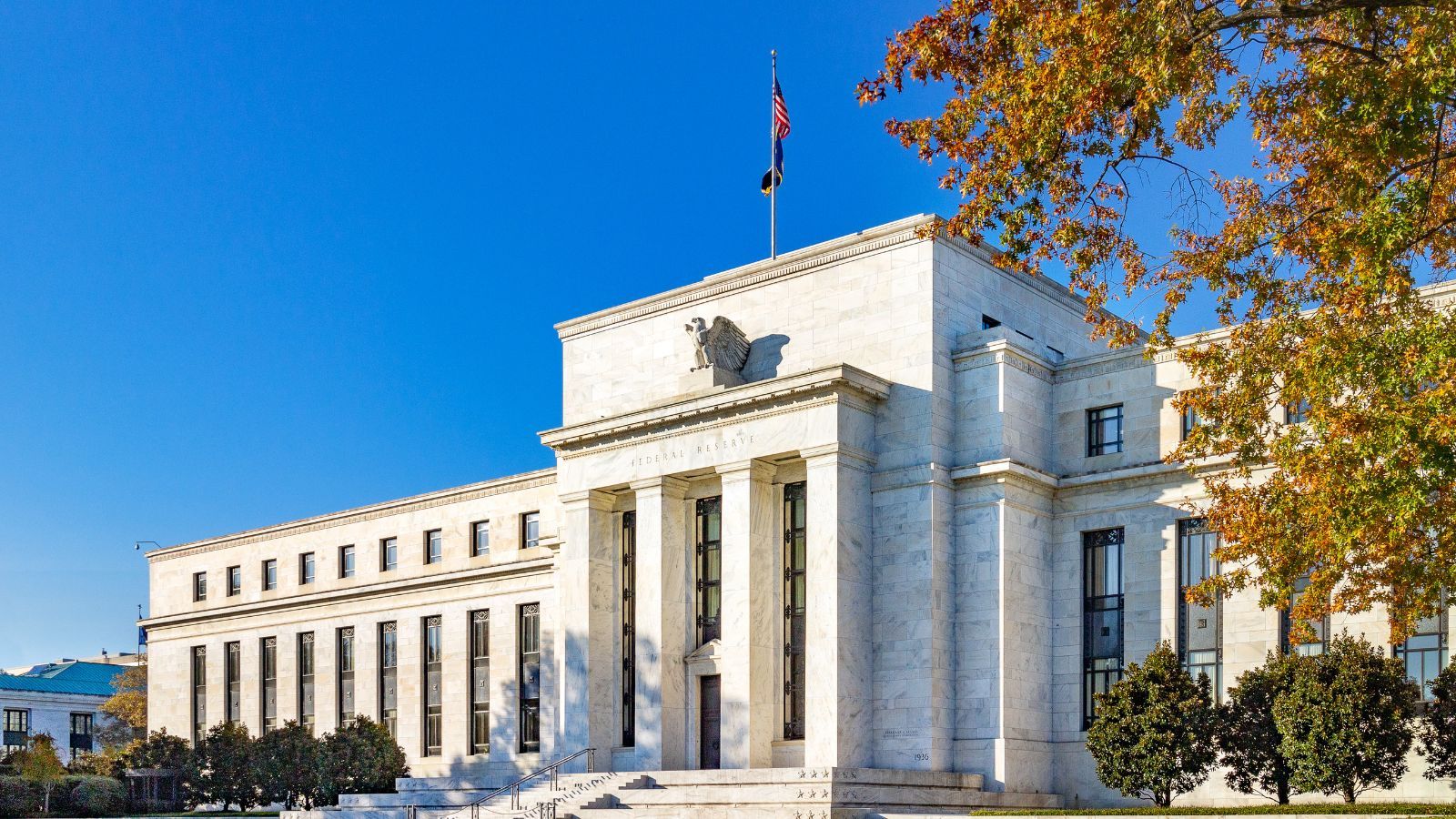
Balancing inflation control with economic health is a tightrope walk. Kevin Hassett, Director of the White House National Economic Council, recently stepped onto that wire with a clear message. He argues that the Federal Reserve can manage price stability without tipping the United States economy into a recession.
Market watchers sat up straight when he said it. For years, the conventional wisdom on Wall Street claimed you had to break the economic engine to cool down consumer prices. Higher interest rates were supposed to smash demand, spike unemployment, and quiet down sticky inflation. Hassett rejects that old playbook. He looks at incoming data, income trends, and energy dynamics and sees a different path forward.
If you are trying to understand where interest rates, consumer spending, and financial markets are heading next, you need to look past the standard talking points. Let's break down what Hassett's arguments actually mean for your money, your investments, and the broader economy.
The Soft Landing Debate and White House Pressure
Every time a central bank tries to hike or hold rates, a political battle brews in the background. The executive branch wants growth and low borrowing costs. The central bank wants price stability, even if it means short-term pain.
Hassett’s public commentary amounts to an official push for a soft landing. By publicly declaring that the Federal Reserve can keep inflation in check without killing the broader economy, he is shaping market psychology. Wall Street trades on expectations just as much as balance sheets. When the White House signals that growth shouldn't be sacrificed, it creates a psychological cushion for investors who are nervous about aggressive tightening cycles.
Critics often call this kind of commentary political interference. They argue that monetary policy needs to stay entirely independent to be credible. But central bankers live in the real world. They hear the public pressure, and they monitor asset prices, housing markets, and labor metrics daily.
Why Energy and Supply Are the Real Keys
You cannot talk about inflation without talking about the cost of energy. When oil prices surge or supply chains glitch, consumer prices follow immediately. Hassett has consistently pointed out that top-line inflation numbers are heavily skewed by volatile energy costs and supply disruptions.
When supply bottlenecks clear out, price pressures drop fast. It is a straightforward supply-and-demand reality that monetary policy alone cannot fix. Cranking up interest rates does little to open blocked trade routes or speed up domestic energy extraction. By focusing on structural supply solutions and domestic energy production, the administration argues that prices can stabilize naturally without requiring the Fed to wield a sledgehammer against consumer demand.
What This Means for Your Portfolio and Finances
If you are trying to position your savings or investments around these macroeconomic shifts, nuance matters. A dovish tilt from economic leaders changes how rate-sensitive assets behave.
- Bonds and Fixed Income: Yields react instantly to shifts in growth expectations. If the Fed manages to avoid a deep downturn, bonds priced for a hard landing might reprice quickly.
- Real Estate: Mortgage rates remain tied to long-term economic outlooks and inflation expectations. As inflation normalizes toward target ranges, financing costs should ease from their recent peaks, bringing buyers back into housing markets.
- Equities: Growth sectors, particularly technology and innovation-driven companies, thrive when liquidity expands and borrowing costs begin a gradual descent rather than staying locked at restrictive highs.
You shouldn't take policy speeches as absolute guarantees. Economic forecasting is notoriously messy, and unexpected global shocks can upend even the best models overnight. But knowing the narrative driving the White House gives you a front-row seat to how policy decisions get framed before interest rate announcements drop.
Keep an eye on the hard data rather than the media noise. Real consumer spending, corporate earnings, and actual inflation prints will tell the true story of whether this delicate balancing act succeeds.