Donald Trump wanted an easy-money cheerleader. Instead, he might have just handed the keys to the most disruptive central banker in modern American history.
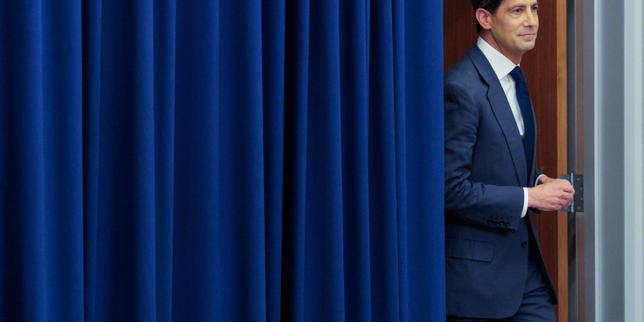
When Kevin Warsh was sworn in as the 17th chair of the Federal Reserve on May 22, 2026, the political script seemed simple. Trump publicly blasted outgoing chair Jerome Powell for keeping borrowing costs too high. He wanted someone who would slash rates, juice the stock market, and keep the economic expansion rolling at all costs. Trump literally stood next to Warsh at his White House swearing-in ceremony and told him to get interest rates down so "everybody's going to be very, very happy."
But anyone who thinks the newly minted Kevin Warsh Fed is going to play along with that political fantasy has not been paying attention to the hard economic data hitting the tape right now.
We are sitting in June 2026, and the macro environment just tore up the administration's playbook. Consumer price inflation has come roaring back, clocking in at 4.2% on an annual basis. That is a three-year high. It is double the central bank's target. If Trump thought he bought a dove, he actually imported a hawk who is currently staring down an economy running white-hot. Warsh is hitting his first Federal Open Market Committee (FOMC) meeting under an immediate cloud of crisis. The market is not prepping for cuts anymore. It is quietly bracing for the exact opposite.
The Impossible Corner Trump Just Boxed Himself Into
The fundamental misunderstanding between the White House and the independent reality of the central bank comes down to how Trump views monetary policy. He looks at interest rates like a commercial real estate developer. To a developer, cheap debt is the fuel that builds skyscrapers. Lower rates mean lower costs, higher margins, and immediate asset appreciation.
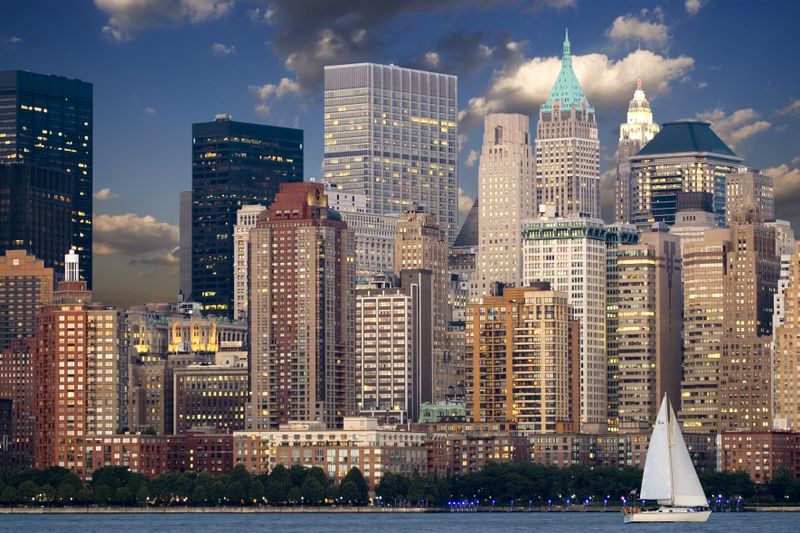
The problem is that a macroeconomy does not work like a Manhattan luxury tower.
If the Kevin Warsh Fed cuts interest rates right now with inflation sitting above 4%, the institutional bond market will rebel. Bond investors are not stupid. They see rising prices and demand higher yields to protect their purchasing power. If the central bank cuts short-term rates artificially, long-term market rates will spike anyway as inflation expectations explode. That means mortgage rates, corporate bond yields, and consumer credit costs would move higher, doing the exact opposite of what Trump actually wants.
Warsh knows this. He lived through the 2008 financial crisis as the youngest member of the Fed Board of Governors, acting as Ben Bernanke's primary liaison to Wall Street. He sat in the room during the collapse of Bear Stearns and Lehman Brothers. He understands that market psychology is fragile.
During his confirmation hearings, Warsh repeatedly emphasized his commitment to strict independence. While Trump told the media that he wants the new chair to do "whatever he wants" before immediately adding that rates should come down, the reality is that Warsh is ideologically committed to a profound institutional restructuring. He did not take this job to be a rubber stamp for the executive branch.
Why the New Fed Chair Is About to Break the Communication Playbook
Warsh spent his years in the private sector criticizing what he calls the central bank's boilerplate culture. For over a decade, the institution has operated on the concept of forward guidance, trying to meticulously map out its future policy path for investors. The crown jewel of this approach is the infamous "dot plot," where individual policy setters chart where they think rates will go over the next few years.
Warsh thinks the dot plot is garbage. He believes it creates a false sense of certainty, traps policymakers in bad positions, and forces them to manage market reactions rather than managing the actual economy.
Expect a massive structural shift in how the central bank talks to the public. Warsh has already brought in interim advisers from conservative policy circles, including veterans who helped author blueprints to strip down the institution's massive bureaucracy. His goal is to shrink the Fed statement down from its current bloated format into something brief, direct, and unpredictable.
He wants to make the central bank nimble again. That means stripping out the coded language that has dominated policy statements since the Alan Greenspan era. Under the old regime, changing a single word like "gradual" or "patient" would send shockwaves through global markets. Warsh wants to break that dependency. He wants the markets to stop hanging on every adjective and start looking at the raw economic data instead.
This brings a distinct danger for investors who are used to being coddled by the central bank. If the Fed stops telegraphing its moves months in advance, market volatility is going to surge. Traders who have built complex algorithmic models around predictable central bank language are going to find themselves flying blind.
The Shocking Reality of War Inflation in 2026
The reason Warsh cannot deliver the quick rate cuts Trump wants is not just a matter of institutional pride. It is a matter of cold, hard geopolitical math. The U.S. economy is currently dealing with a massive supply-side shock resulting from the war with Iran.
This military conflict has severely disrupted tanker traffic through the Strait of Hormuz, which remains the single most critical energy chokepoint on the planet. Even though Washington and Tehran recently agreed to an extended ceasefire, the damage to global supply chains is done. Gasoline prices at the American pump have jumped by over a dollar a gallon compared to pre-war levels.
Look at where the inflation pressures are coming from:
- Energy Costs: Energy price spikes accounted for more than 60% of the recent jump in the Consumer Price Index.
- Production Overheads: The administration's aggressive import tariffs on unfinished goods have forced domestic manufacturing companies to pay significantly more for raw materials.
- Labor Market Strength: Despite the inflation pressures, American job growth has remained remarkably resilient, meaning wages are still rising and keeping consumer demand high.
Central banks have a tough time dealing with supply-side inflation. Raising interest rates does not drill more oil wells, it does not clear shipping lanes, and it does not lower the price of imported steel. What raising rates does is crush consumer demand. It makes car loans more expensive, sours the market for home buying, and forces companies to rethink their hiring plans.
If Warsh holds rates steady or pushes them higher to choke off this inflation, he will be intentionally slowing down the economy that Trump is trying to accelerate. It is the classic central bank dilemma: take away the punch bowl just as the party gets going. The twist this time is that the host of the party is a president who reacts terribly to being told no.
What Wall Street Is Missing About the Rate Outlook
Walk through trading floors right now, and you will find an asset management community that is still heavily exposed to tech shares and artificial intelligence infrastructure. This entire bull market was built on the assumption that inflation would quietly fade back to 2% and the central bank would provide cheap liquidity to fund massive capital expenditures.
That assumption is completely out of touch with the new reality under Warsh.
According to the CME Group's FedWatch Tool, the probability of a rate hike before the end of December 2026 has quietly flipped from a minority view to a 60% probability. That is a massive shift in market pricing over a two-week window. Investors are slowly waking up to the fact that if they expected an easy-money savior, they bought into the wrong narrative.
Warsh has a well-documented track record as a monetary hawk. Even during his previous tenure on the Board of Governors under Bernanke, he was highly skeptical of quantitative easing, the policy where the central bank prints money to buy government bonds. He openly worried that expanding the balance sheet would distort financial markets and create long-term inflation risks. Now that he is running the entire show, his primary institutional goal is to shrink that multi-trillion-dollar balance sheet as aggressively as the system can tolerate.
If you are running a business or managing a portfolio based on the idea that money will get cheaper by the end of this year, you need to change your thesis immediately. The risk is heavily weighted toward higher borrowing costs for longer.
Actionable Next Steps for Navigating the New Monetary Regime
The transition from the Powell Fed to the Warsh Fed requires a complete reassessment of capital allocation. Institutional inertia is a dangerous thing, and waiting for the broader market to realize the rules of the game have changed will cost you money.
De-risk Corporate Debt Profiles
If your business relies on floating-rate debt or has a significant wall of corporate bonds maturing over the next eighteen months, do not wait for a better rate window to refinance. The idealized window of 2026 rate cuts is shut. Lock in fixed rates now, even if they feel uncomfortably high compared to the historical averages of the last decade. Rates can easily move another 50 to 100 basis points higher if the energy price shock refuses to clear.
Re-evaluate Equity Valuations in Tech
The high-flying tech sectors that depend on long-duration cash flows are incredibly sensitive to rising discount rates. When interest rates stay elevated, future earnings are worth less today. Review your portfolio exposure to companies trading at extreme price-to-earnings multiples that require low borrowing costs to fund their infrastructure growth. Reallocate capital toward businesses with immediate cash generation, strong pricing power to pass through tariff costs, and minimal debt loads.
Adjust Inflation-Protection Allocations
With headline CPI running at 4.2%, standard cash positions are losing value at an accelerated clip. Look toward short-duration Treasury bills, which will quickly price in any hawkish moves by the Warsh FOMC, rather than locking up capital in long-term bonds that will suffer capital losses if market yields continue their upward march.
The Kevin Warsh Fed is not going to save the stock market at the expense of currency stability. The incoming institutional regime values structural reform and price stability far more than political convenience. Align your capital with his track record, not the executive branch's press releases.