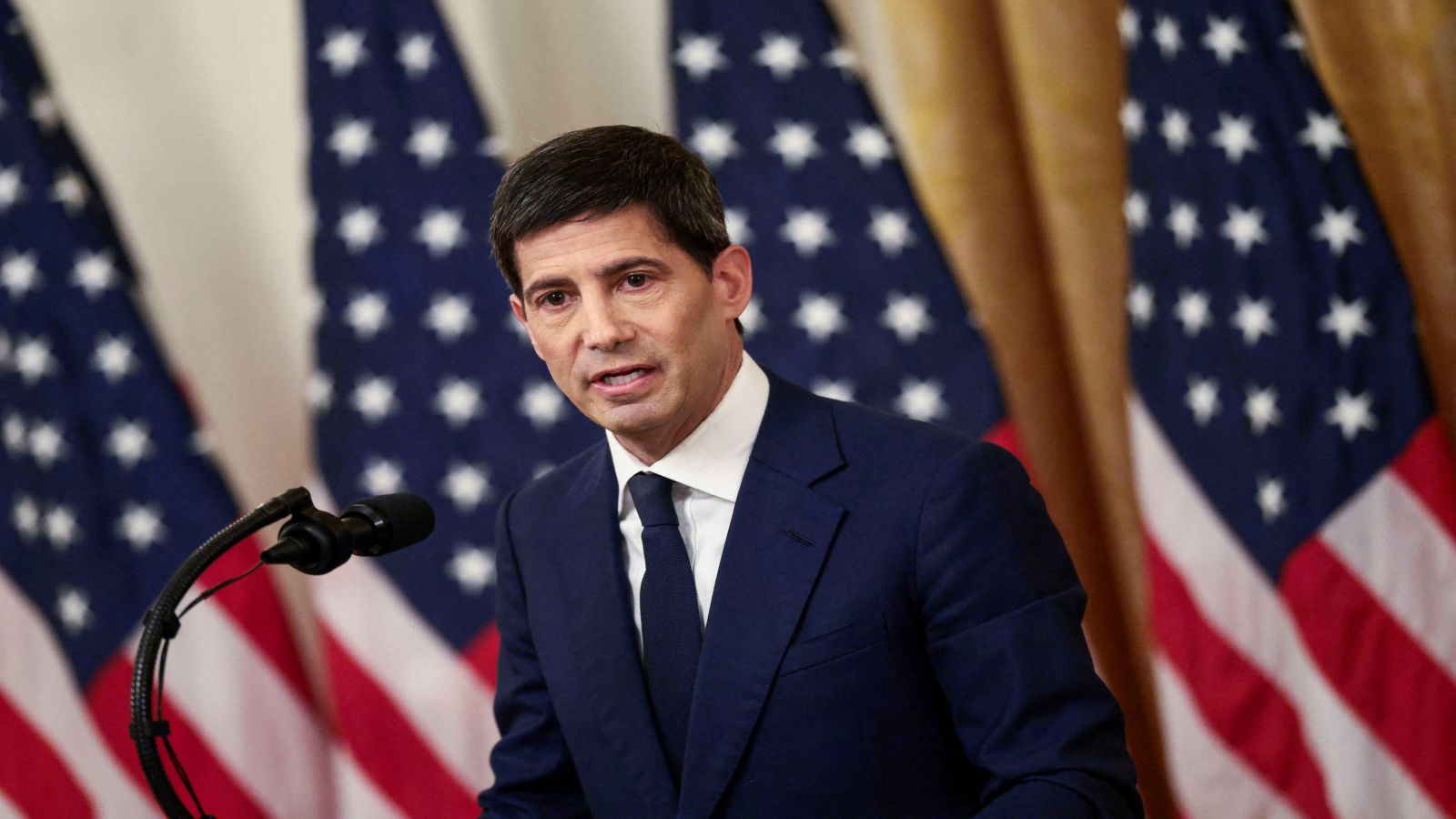
The Federal Reserve just did something it hasn't done since 2023. It raised interest rates.
If you've been listening to financial news, you already know that Federal Reserve Chair Kevin Warsh led the Federal Open Market Committee (FOMC) to push the benchmark federal funds rate to a target range of 3.75% to 4%. It was a unanimous 12-0 vote. No dissents. No hesitation. Just a clear message that stubborn inflation finally forced the central bank's hand.
Most people completely missed how we got here, focusing entirely on political noise rather than the hard economic data driving reality. Let's break down what actually happened at the September 2026 meeting, why the markets reacted the way they did, and what you need to do with your money right now.
The Warning Signs Leading Up to the Decision
You didn't need a crystal ball to see this coming. You just had to look at energy prices and consumer data.
In the weeks leading up to the September gathering, oil prices climbed aggressively, driven by ongoing geopolitical friction. Core consumer price index readings came in hotter than expected. At the same time, the labor market refused to break. August unemployment held steady at 4.1%, and job gains matched workforce expansion.
When Kevin Warsh spoke at Jackson Hole the month prior, he dropped heavy hints that elevated inflation would demand further action if price pressures didn't cool. Wall Street chose to ignore him. Traders kept hoping for dovish pivots or rate cuts, largely because political pressure from the White House was loud and constant.
Big mistake. Warsh wasn't bluffing.
Inside the Unanimous Vote
The FOMC statement made the central bank's dual mandate crystal clear: price stability comes first. Headline personal consumption expenditures (PCE) inflation was tracking around 3.7%, almost double the Fed's target of 2%.
During his post-meeting press conference, Warsh didn't sugarcoat the situation. He stated plainly that inflation had been too high for too long and that recent readings showed underlying trends weren't improving fast enough.
This completely silenced critics who questioned whether the new Fed chair possessed the stomach to defy political pressure. Senior administration officials quickly called the rate hike unfortunate, arguing it would push up mortgage costs and stymie business expansion. But the committee stared down those warnings and delivered a hawkish verdict anyway.
What the Projections Tell Us About Tomorrow
If you think this was a one-off adjustment, look at the updated economic projections.
Policymakers penciled in expectations for another potential quarter-point rate rise before the end of the year. More importantly, the median dot plot indicates that borrowing costs will likely remain plateaued through 2027. The era of cheap money isn't coming back anytime soon.
GDP growth projections actually ticked up slightly to 2.3% for the year, proving that the broader economy is resilient enough to handle higher borrowing costs. That resilience is precisely why the Fed felt comfortable raising rates. They aren't trying to break a weak economy; they are trying to cool a stubborn one.
Practical Steps for Your Money
Stop waiting for emergency rate cuts to rescue your portfolio or your debt strategy. High-interest environments demand active management.
- Reevaluate fixed income: Higher-for-longer rate paths mean shorter-duration bonds and multi-sector active portfolios offer better protection against shifting yields.
- Audit your debt: Variable-rate loans and credit lines are going to stay expensive. Prioritize paying down high-interest liabilities before compounding costs eat your margins.
- Ignore the daily volatility: Stock markets typically stumble for a few months following an initial tightening cycle before regaining their footing. Stay disciplined and focus on company fundamentals rather than short-term panic.
The central bank has redrawn the lines. Adapt to them.