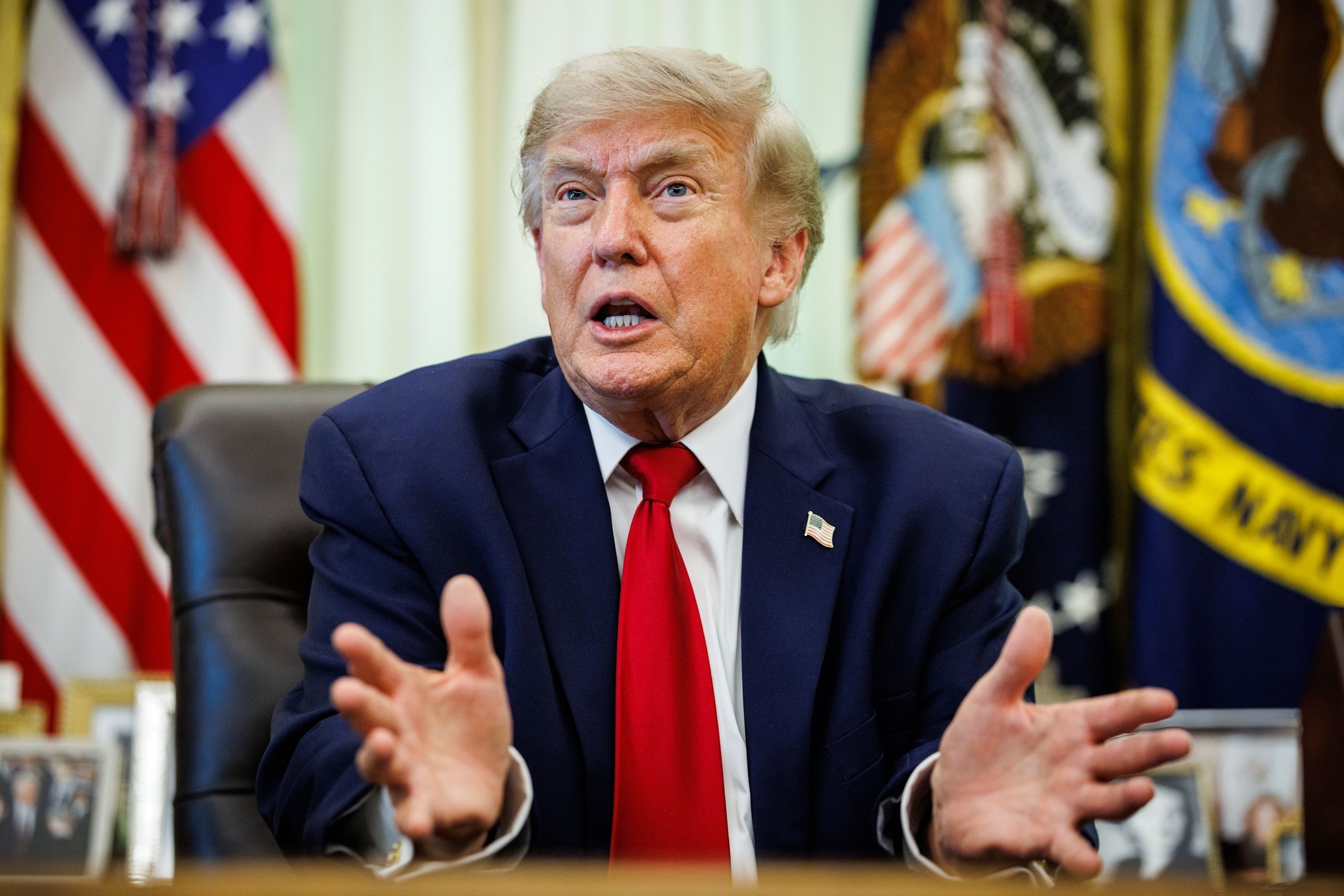
Don't let a single positive economic report fool you. That is the message Federal Reserve Chair Kevin Warsh just delivered to Congress during his first high-profile grilling on Capitol Hill.
Even with fresh data showing consumer price inflation slowed to 3.5% in June, Warsh made it clear that the central bank under his leadership isn't planning a victory lap. In fact, his message to lawmakers was remarkably blunt: "Inflation is a choice."
By refusing to declare "mission accomplished" after inflation fell 0.4% from May to June, Warsh is signaling a major shift in how the Fed communicates, operates, and responds to political pressure. He is setting up a regime change at the world's most powerful central bank, and it's going to have massive consequences for investors, businesses, and everyday consumers.
The Reality Behind the June Inflation Drop
On paper, the latest Consumer Price Index (CPI) report looks like a massive win. Headline inflation dropped to 3.5% from 4.2% in May, while core inflation—which strips out volatile food and energy costs—ticked down slightly to 2.6%.
But when you look under the hood, the cooling was largely driven by a temporary tumble in gasoline prices during a brief pause in Middle East hostilities. With tensions flaring up again, those energy savings could vanish in weeks.
That is why Warsh is staying cautious. He recognizes that sixty-three consecutive months of above-target inflation has acted as an invisible tax on American households. For him, a single soft summer reading doesn't mean the structural problems driving inflation have been solved.
No More Forward Guidance and Fed Hand-holding
For years, the Fed relied heavily on "forward guidance"—basically telling Wall Street exactly what it planned to do months in advance to avoid spooking the markets. Warsh is systematically dismantling that approach.
During his testimony before the House Financial Services Committee, he refused to give any explicit hints about whether the Fed will raise interest rates at its upcoming July meeting or later this year. He explained that making public predictions forces central bankers into a corner where they only look for data that supports their existing biases while ignoring warning signs.
This lack of guidance has left a deeply divided rate-setting committee to hash things out in private. About half of the Federal Open Market Committee (FOMC) members want to push interest rates higher by the end of 2026, while the other half prefer keeping them steady or even cutting them. By staying silent on the next move, Warsh is keeping his options open and forcing markets to focus on actual economic data rather than central bank whispers.
Vowing Independence Under Political Pressure
Perhaps the tensest moments of the congressional hearing came when lawmakers questioned Warsh on Fed independence. Confirmed in May 2026 in a tight 54-45 Senate vote—the most divided in Fed history—Warsh was nominated by Donald Trump, who frequently criticized former chair Jerome Powell for keeping rates too high.
Warsh flatly dismissed the idea that he would bend to political pressure for quick rate cuts. He declared Fed independence to be "sacrosanct" and vowed to take full ownership of the inflation fight rather than blaming outside forces.
The Playbook for the Rest of 2026
If you're waiting for the Fed to bail out the markets with aggressive rate cuts this autumn, you need to adjust your strategy. The Fed's balance sheet still sits near $7 trillion, and Warsh is intent on shrinking it while modernizing how the central bank gathers and processes economic data.
He has already established five external task forces—featuring heavy hitters like former Bank of England Governor Mervyn King and tech investor Marc Andreessen—to overhaul Fed practices. These groups are currently in discovery mode, with final recommendations expected by the end of 2026.
Here is how you should position your finances and investments in this new high-for-longer regime:
- Expect rates to stay flat: Do not build business projections or real estate plans around the assumption of near-term interest rate cuts. Prepare for borrowing costs to remain elevated through the end of 2026.
- Focus on real yield: With inflation still sitting well above the 2% target, cash and short-term debt instruments that yield more than the rate of inflation remain highly attractive.
- Watch the energy markets: Because headline inflation numbers are highly sensitive to oil prices, any escalations in the Middle East will likely delay any monetary easing even further.