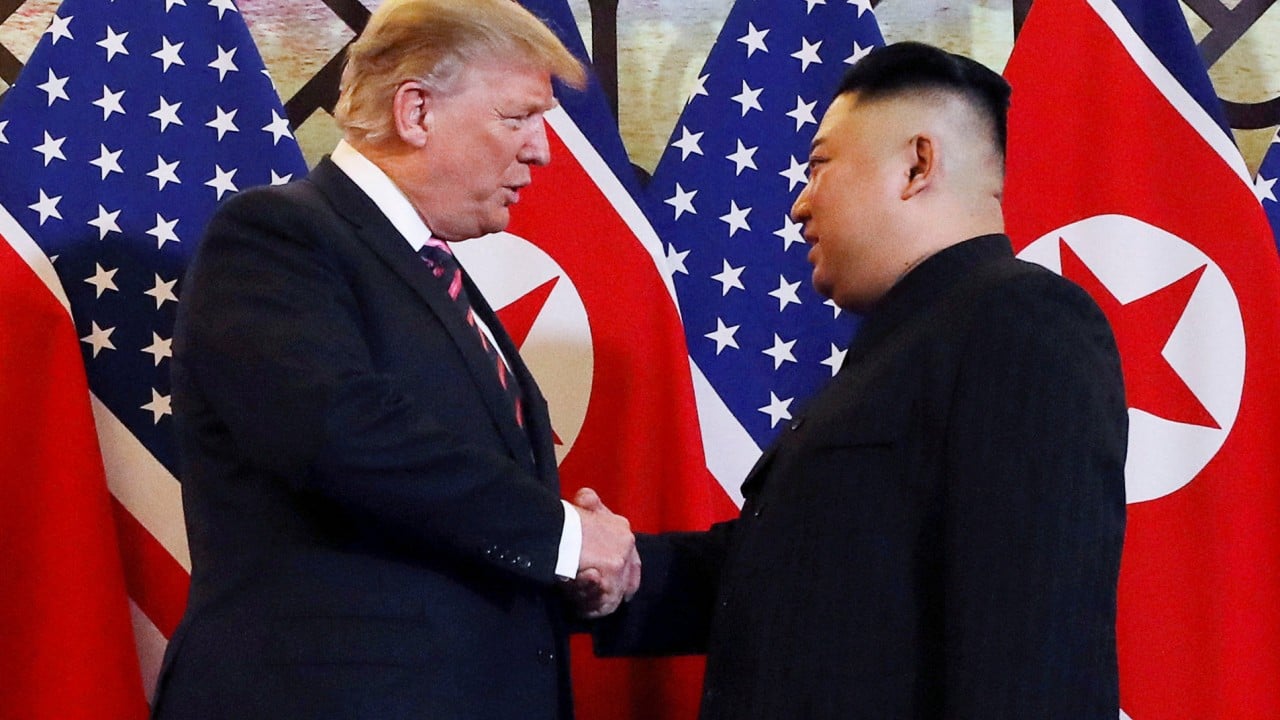
Kim Jong-un didn't show up in Shenzhen for the 2026 APEC summit, and honestly, that tells you everything about who holds the leverage right now. Donald Trump made plenty of noise about a possible meeting with Kim Jong-un during his trip to China, even holding historic trilateral talks with Xi Jinping and Vladimir Putin on the sidelines of the gathering. Yet Kim stayed home, inspecting domestic construction projects and a tourism zone in Samjiyon instead of chasing a handshake in southern China.
When people ask why the ball is in Kim's court on a meeting with Donald Trump, the short answer is simple. Pyongyang no longer needs Washington the way it did in 2018. Back then, crushing sanctions and economic isolation pushed North Korea toward Singapore and Hanoi. Today, Kim has cash, weapons demand from Moscow, and a nuclear arsenal he treats as non-negotiable.
Why a meeting with Kim Jong-un looks different in 2026
A meeting with Kim Jong-un in 2018 or 2019 carried high stakes for sanctions relief on one side and denuclearization headlines on the other. Eight years later, the bargaining table has tilted. Trump has shown he's open to high-level talks, including his first in-person APEC leaders' summit appearance since 2017. Still, showing up in Shenzhen wasn't a free pass for Kim. North Korea isn't an APEC member, and walking into a room where Xi and Putin were already shaping a big-power agenda on nuclear risks and global order wouldn't automatically give Kim what he wants.
Watch how Pyongyang calculates risk. Kim hates looking reactive. If Washington signals eagerness for a summit, Pyongyang often slows down or ignores the cue just to prove it sets the clock. Analysts tracking the region have pointed out that when Kim doesn't see clear political or material payoff, he simply doesn't bite.
The Russia lifeline changed the math
You can't talk about North Korea's leverage without talking about Moscow. Shipping millions of artillery shells and deploying troops tied to the war in Ukraine brought North Korea massive foreign revenue. Reports from Bloomberg Economics and research groups like the Korea Risk Group estimate Pyongyang pulled in roughly $14 billion to $14.4 billion from military deals with Russia between 2022 and 2025, with broader foreign earnings estimates reaching even higher over that stretch.
Think about what that does to U.S. sanctions leverage. When a regime can move munitions, fuel, and hard currency through a major military partner, old pressure tactics lose bite. Sanctions still hurt ordinary North Koreans and limit normal banking access, sure. They don't force Kim to the table out of sheer desperation anymore.
China's shadow over Shenzhen
Shenzhen wasn't neutral ground. It was Xi Jinping's backyard, packed with trade talks, AI debates, and the first-ever trilateral summit bringing together Trump, Xi, and Putin. Even though Chinese media reported that the three leaders discussed the Korean Peninsula alongside nuclear risk reduction, Kim has long resisted being treated like a junior piece on Beijing's chessboard.
Skipping Shenzhen let Kim project calm domestic focus at home while letting three giant powers talk around him. Sometimes staying away is its own power move.
What most people get wrong about Trump and Kim summits
A lot of commentators treat a Trump–Kim summit like a replay of reality television. Two big personalities, cameras flashing, maybe a dramatic walkout or a surprise announcement. That framing misses how both sides actually operate.
First, people assume Kim wants a deal badly enough to trade away his nuclear weapons. That ship sailed years ago. North Korea has spent decades and vast resources building missiles and warheads as its ultimate regime guarantee. As Trump himself noted during the APEC summit window when talking about nuclear weapons more broadly, leaders who hold them are fiercely reluctant to give them up.
Second, folks often forget that Trump's diplomacy isn't purely bilateral. When Trump talks to Kim, he's also sending messages to Seoul, Tokyo, Beijing, and domestic voters back home. South Korean President Lee Jae Myung has been pushing for regional stability and renewed dialogue, while allies in Asia constantly worry about sudden U.S. concessions on troop posture or joint drills.
- Summit photo-ops aren't peace treaties: Handshakes make headlines, yet core disputes over missile tests, sanctions, and verification barely budge without painstaking groundwork.
- No-show doesn't mean zero contact: Leaders often test backchannels quietly even while public statements sound frosty or indifferent.
- Economic relief isn't the only prize: Recognition, legitimacy, and breathing room with neighbors matter just as much to Pyongyang as cash.
People also ask about a Trump and Kim Jong-un meeting
Could Trump and Kim still meet without a formal summit?
Yes, surprise diplomatic moves happen fast in modern politics, especially around major regional trips or border moments. Still, arranging a secure, credible meeting takes logistics, security sweeps, and pre-negotiated talking points. Without Pyongyang signaling real interest, spontaneous meetups stay tough to pull off.
Why didn't Kim attend APEC in China?
North Korea isn't an APEC economy, and Kim rarely travels abroad unless the stage is tightly controlled for his own narrative. Public photos of him touring construction sites and Samjiyon underlined a clear message that domestic priorities came first.
What happens to the Korean Peninsula if no meeting takes place?
Stalemate doesn't mean quiet. Expect continued missile testing, cyber activity, tight military alignment between Pyongyang and Moscow, and tense deterrence from Washington and Seoul. Even when talks stall, the risk of miscalculation stays real.
Practical steps if you're tracking U.S.–North Korea diplomacy
If you follow foreign policy, defense markets, or East Asian business risk, don't get whiplash from every rumor of a summit. Track concrete signals instead.
- Watch shipping and trade data, not just speeches: Look at port activity, sanctions enforcement updates, and reporting from outlets like NK News or The Korea Times to see how Russia–North Korea ties are evolving.
- Separate rhetoric from policy shifts: A friendly comment about a foreign leader doesn't automatically mean sanctions relief or changes to U.S.–South Korea military exercises.
- Monitor trilateral big-power dynamics: Pay close attention to how Washington, Beijing, and Moscow handle nuclear risk declarations and regional security, because those moves shape Kim's room to maneuver.
- Check alliance reactions early: Watch statements from South Korea and Japan right after any summit rumor—their security concerns usually reveal whether real movement is happening.