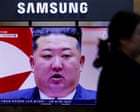
International diplomacy rarely moves in a straight line, but sometimes it rolls right across a brand-new stretch of asphalt. Kim Jong Un just made his first known trip abroad in more than a year, sliding quietly into the Chinese border city of Dandong. He didn't take a jet or a motorcade. He crossed the freshly opened New Yalu River Bridge by train, stepping directly into a high-stakes geopolitical chess match that has foreign ministries scrambling to read the tea leaves.
If you are wondering why this unannounced border hop matters right now, you have to look past the concrete and steel. This journey isn't just about ribbon-cuttings or regional trade. It is a calculated signal sent straight to Washington, Seoul, and Moscow just as major diplomatic summits loom on the horizon.
Crossing the Yalu and Shifting Alliances
For twelve years, the massive cable-stayed New Yalu River Bridge sat as an awkward monument to bureaucratic delay. China finished building the span over a decade ago, but Pyongyang dragged its feet on connecting infrastructure on its side of the border. That changed in mid-October when the bridge finally opened for business. Now, Kim has used it to make his sixth official visit to China since taking power.
South Korean intelligence and government sources in Seoul confirmed the movement after leaks surfaced from Dandong. Local security tightened overnight. Authorities imposed strict traffic controls near the bridge and restricted nearby hotel bookings, while Chinese Premier Li Qiang traveled to the border city to meet incoming dignitaries.
Timing is everything in geopolitics. This border crossing arrives just ahead of the anniversary of China entering the 1950-53 Korean War alongside North Korea. Yet, tying this visit solely to historical remembrance misses the broader picture. Pyongyang is cementing its land links to its primary economic and political backers. Earlier this season, North Korea and Russia opened their own direct road bridge, leaving Pyongyang physically tied by land routes to both Beijing and Moscow.
The Regional Fallout and Seoul's Frustration
While Kim secures his northern and western flanks, relations with South Korea are freezing over. Kim Yo Jong, the North Korean leader's influential sister, has spent recent weeks lashing out at Seoul through a relentless stream of sharp state-media statements. South Korea's unification ministry calls the frequency of these attacks deeply unusual. To make matters worse, Pyongyang announced plans to resurrect cross-border loudspeaker propaganda broadcasts, signaling a return to psychological warfare tactics.
Seoul and Washington are watching these developments closely, but they are also managing domestic political clocks. Rumors always swirl about potential high-level summits whenever leaders gather for upcoming international events, such as the Apec summit hosted by Xi Jinping in Shenzhen. But American and South Korean officials remain skeptical that any dramatic breakthroughs or meetings with Donald Trump are on the immediate horizon for this year.
What Comes Next for the Korean Peninsula
You can expect diplomatic friction to intensify rather than cool down. North Korea is playing a hand of confident isolation backed by reliable heavyweights. By opening these new physical corridors into China and Russia, Pyongyang is insulating its economy from sanctions while dialing up the rhetoric against the South.
Watch the border zones and upcoming state visits for the next real clues. The concrete on the New Yalu River Bridge may still be fresh, but the strategic alignments rolling across it are deeply entrenched.


