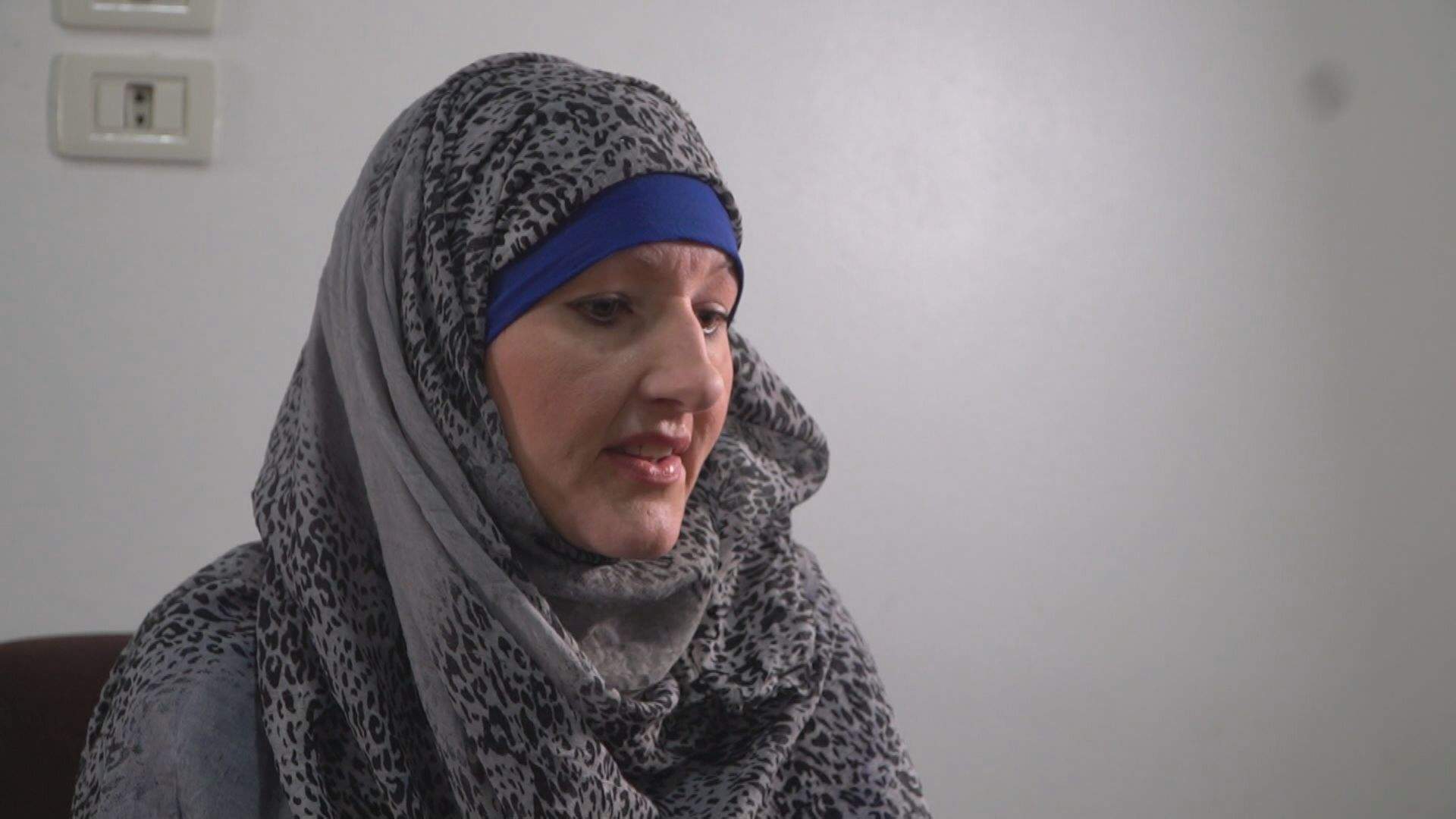
Calling a deliberate trip into a war zone to join a terrorist group a "terrible mistake" makes it sound like booking the wrong hotel. Kimberly Polman, a British Columbia woman who left for Syria in 2015 after marrying an ISIS fighter online, now tells a Vancouver court she regrets her choices and wants to live as a regular Canadian. Her sentencing is scheduled for late November 2026 following her October guilty plea, putting a spotlight on how Canada prosecutes and sentences people who travelled overseas to back the Islamic State.
Honestly, her letter reads like a tug-of-war between survivor trauma and selective memory. In court filings and letters written from a Syrian detention camp, Polman described living in terror, facing imprisonment and abuse, and simply wanting to help people. Yet the agreed statement of facts shows she knew ISIS was a terrorist group, knew Syria was an active war zone, and was aware she risked arrest back home for leaving to join them. Both things can be true at once—a person can suffer horrific conditions in a collapsed caliphate and still have made a knowing, unlawful decision to go there in the first place.
Why Kimberly Polman Went to Syria in the First Place
A lot of people picture foreign recruits as brainwashed teenagers whisked away overnight, and that stereotype misses what actually happened here. According to the agreed statement of facts reported by CBC News, Polman converted to Islam in 2003, spent roughly a decade researching extremist material and talking with people holding those views, and married a man named Suhayb Muhammad Adan in 2014 after connecting online. In July 2015, she booked flights through Vienna to Turkey to meet him and join the Islamic State, never using the return tickets.
She told the court her story felt unique, pointing out she had been unemployed, living on low-income support or welfare in the Vancouver area, and was a mother of children. Life on the margins can make an online promise of purpose, community, or a fresh start look weirdly appealing—kinda like a lifeline thrown from a boat that turns out to have holes in the hull. Once she arrived, reality didn't match whatever romantic or humanitarian idea she had in her head. Her first marriage ended after a few months, she later married an ISIS bomb maker, and as the group lost territory she ended up on the run before landing in a Syrian detention camp.
What gets glossed over in quick headlines is the gap between intent before departure and regret after defeat. Calling yourself an innocent helper sounds cleaner in a sentencing letter than admitting you packed a bag for a group notorious for mass atrocities. At the same time, researchers studying foreign fighters—including analysts at institutions like the Royal United Services Institute—have long noted that recruits often hold mixed motives, shifting loyalties, and intense disillusionment once they confront the brutality of life under ISIS.
How Canada Handles ISIS Returnees and Sentencing
If you're wondering why Polman wasn't locked up the moment she stepped off a plane in 2022—or why her sentencing comes four years after her return—welcome to the messy reality of Canadian counterterrorism prosecutions. Gathering admissible criminal evidence from a foreign war zone like northeast Syria is notoriously difficult. Battlefields aren't crime scenes with neat chain-of-custody logs, witnesses are scattered or detained abroad, and prosecutors have to prove specific legal elements beyond a reasonable doubt.
Former Crown prosecutor Rob Dhanu noted in coverage by Global News that the offence carries a maximum penalty of 10 years in prison. Still, actual sentences in similar Canadian cases have varied sharply depending on the facts, guilty pleas, time served, and judicial discretion. Take Oumaima Chaouay of Montreal, who pleaded guilty to participating in ISIS and received a one-day sentence on top of 110 days already spent in pre-trial custody, as reported by Global News. Meanwhile, jury trials are testing harder cases—such as Ammara Amjad in Ontario, convicted by a jury in November 2026 after spending four years with ISIS and living in detention camps.
Here's where people usually clash. Some Canadians think anyone who travelled to join ISIS deserves years behind bars no matter what happened to them in Syria or how much they claim to have changed. Others argue that bringing citizens back from chaotic camps, prosecuting what can be proven in court, and relying on Canadian justice rather than indefinite foreign detention is the only lawful, practical path forward. The tension isn't going away anytime soon because each case forces a judge to weigh deliberate ideological choice against coercion, survival, and rehabilitation.
What to Watch Next in the Case and Beyond
With Polman's sentencing set for the end of November 2026, a few concrete details will show how the court views her culpability:
- The exact sentencing reasons: Watch whether the judge treats her pre-departure awareness and second marriage to a bomb maker as aggravating factors, or gives substantial weight to her guilty plea, camp detention, and expressed remorse.
- Precedent for future cases: Compare how any custodial term or credit for time served stacks up against recent pleas and jury convictions across Canada.
- How to read headlines critically: When following terrorism and repatriation stories, separate an offender's own letters from the agreed statement of facts and court rulings—letters tell you what the writer wants the judge to feel, while court filings show what both sides actually agreed happened.