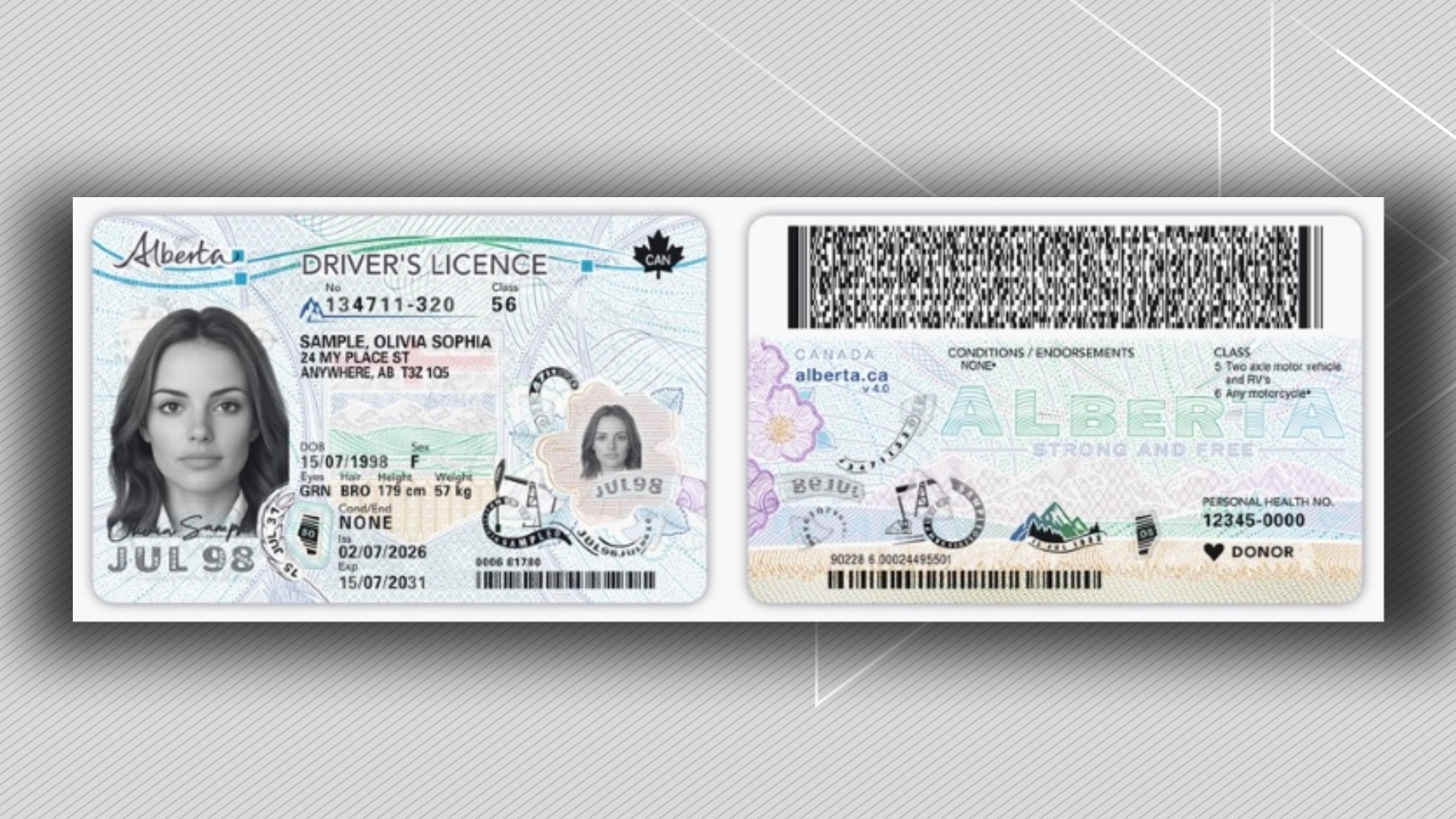
Getting a driver license renewed used to be a routine chore. You’d show up, smile for the camera, pay the fee, and leave. Not anymore. If you’re a married woman in Alberta, or anyone whose legal name doesn’t perfectly align across every single piece of government paperwork, you might be in for a frustrating surprise.
The province recently rolled out a new three-in-one identification card. It combines your driver license, health care number, and citizenship status into one document. While the intent is consolidation, the execution has left many people standing at a registry counter without the right papers, facing unexpected delays and extra costs.
Why the Paperwork Gap Matters
The core issue isn't just about showing up with ID. It’s about the discrepancy between your current legal identity and the supporting documents the system now demands. If your birth certificate uses a maiden name but your previous license used your married name, the system hits a wall.
Many residents are discovering that their old, reliable documents are no longer enough. An expired passport, which was once perfectly fine to prove you were who you said you were, is now often rejected as insufficient proof of citizenship for the new card. If you don’t have a valid, unexpired passport, you are essentially forced to prove your legal name change history.
This means pulling out original marriage certificates. Many people, particularly those who have been married for decades, simply don’t have these papers sitting in a bedside drawer. They were lost, damaged, or tucked away in long-forgotten boxes during decades of life moves.
The Financial and Time Cost
Finding out you lack the "correct" documentation at the registry counter triggers a cascade of issues. You don't just leave and come back later. You are often looking at:
- Application Fees: Replacing a marriage certificate or other vital document isn't free.
- Processing Times: You might wait weeks for a certified copy of a document to arrive in the mail.
- Lost Wages: If your license is nearing expiry and you drive for work, this isn't just an inconvenience. It’s a threat to your income.
Think of it as a bureaucratic bottleneck. You are held responsible for producing documents that prove a timeline of name changes, even if you’ve been a licensed, law-abiding driver in the province for forty years.
Practical Steps to Avoid the Headache
Don't wait until the week your license expires to check your requirements. The province sends reminders 60 and 30 days before expiry, but you should treat those as absolute deadlines for action, not suggestions.
Here is how you can protect yourself:
- Audit Your Documents Now: Take a look at your birth certificate, passport, and any existing marriage certificates. Do the names match? If they don't, you need to bridge the gap with legal documentation.
- Don't Assume Your Passport Works: Check the expiry date on your passport. If it's expired, do not assume it will be accepted as proof of citizenship for this new card system.
- Contact a Registry Early: If you suspect your documents might be problematic, call a local registry office. Ask them specifically about the "chain of name" documentation required for the new identification card. Registry agents often have to follow strict provincial guidelines, and knowing those requirements before you stand in line can save you a wasted trip.
- Prepare for Costs: If you know you are missing a required document, order it immediately. Paying for a replacement certificate is frustrating, but it’s cheaper than losing days of work because you’re legally barred from driving.
The Reality of Modern Bureaucracy
The shift toward a consolidated ID system is part of a larger trend toward digitized government services. While proponents argue that it increases security and simplifies record-keeping, the human cost is felt by those who fall through the cracks of these "clean" data requirements.
This isn't just about married women. It’s about anyone with a complex legal name history. Whether you’ve been divorced, had your name legally changed, or possess documents that don’t align with current digital database standards, you are now the one responsible for reconciling those differences at your own expense.
Don't assume the system will just "work it out" based on your history of renewals. Keep your original documents safe, track your expiration dates closely, and if you find yourself missing the required paperwork, start the replacement process today. Waiting won’t fix the gap, and it only shrinks the time you have to get back on the road.