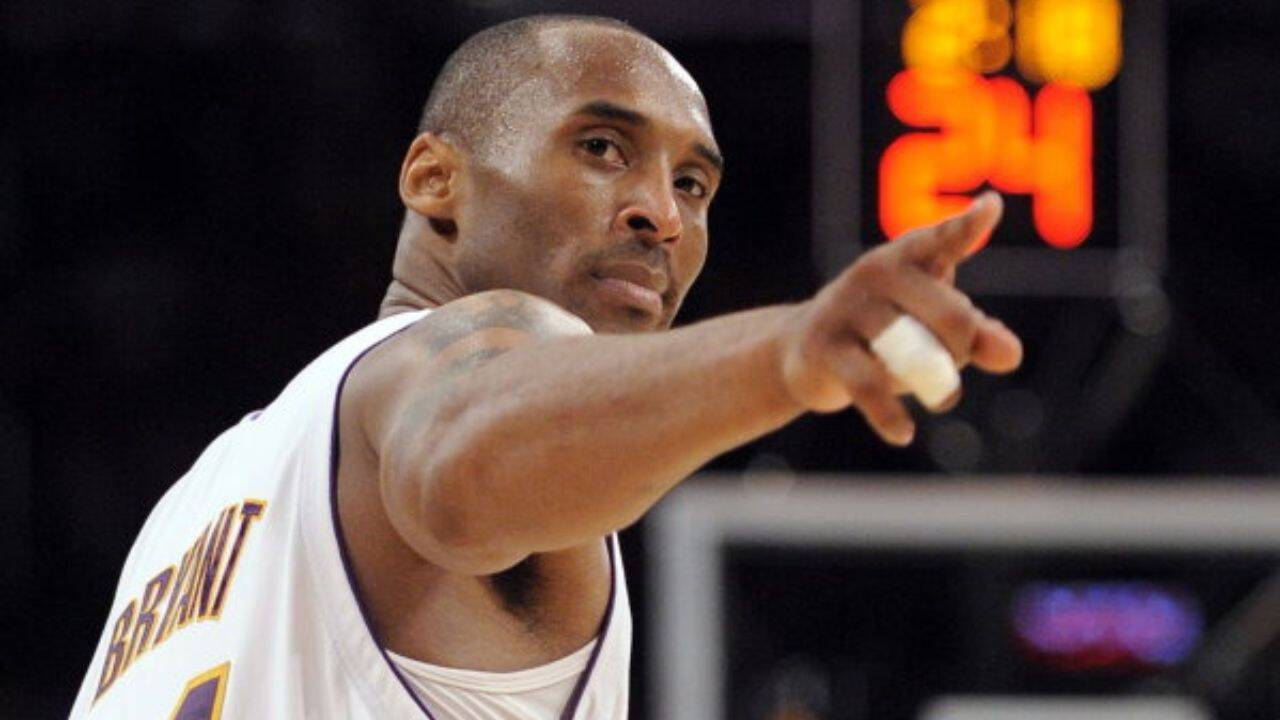
Excuses are cheap. Kobe Bryant knew that better than almost anyone who ever picked up a basketball.
When you hear his famous line about having nothing in common with lazy people who blame everyone else for their failures, you might wince. It sounds harsh. It sounds abrasive. But that is precisely why it matters. Most people want success to feel like a warm hug. They want a roadmap that promises zero discomfort, minimal sweat, and plenty of praise along the way. Reality doesn't work that way.
Let's talk about what accountability actually looks like when nobody is watching.
The Mamba Mentality Was Never About Basketball
People throw around the phrase Mamba Mentality like it is a trendy hashtag for a gym selfie. It isn't. It's a complete rejection of self-pity.
Kobe didn't wake up at 4:00 AM because he wanted to win a popularity contest. He woke up early because he understood a fundamental truth about human effort: the scoreboard doesn't care about your feelings. If you shoot forty percent from the field, you can blame the referees, you can complain about the gym lighting, or you can admit that your jump shot was broken and spend the next six hours fixing it.
Most people choose the lighting.
When things go wrong in a career, a project, or a personal goal, our brains immediately hunt for an external shield. We look for someone else to point the finger at.
- The economy is bad.
- The boss plays favorites.
- The teacher didn't explain the material.
- The algorithm buried the post.
Every single one of those statements might contain a grain of truth. And they are all completely useless if your goal is to win.
Why Blame Feels Good and Kills Progress
Blame is a comfortable hiding place. It temporarily relieves the heavy burden of responsibility. If your failure is someone else's fault, you don't have to change anything. You get to stay exactly where you are, feeling morally superior while your skills atrophy.
That is the exact trap Kobe was talking about.
When you spend your energy building a case against the world, you have zero energy left to build a better version of yourself. You become a spectator of your own life, shouting from the cheap seats while other people do the actual work.
I've watched talented people wash out of competitive fields simply because they believed their own PR. They thought natural ability was a permanent shield against hard work. The moment adversity hit—the moment someone better or hungrier walked through the door—they crumpled. They had no coping mechanism for failure because they had spent their whole lives externalizing every mistake.
The Raw Cost of Refusing to Make Excuses
Adopting absolute accountability is terrifying. There is nowhere to run.
If you miss a deadline, it's on you. If your business fails, it's on you. If your physical health is in the gutter, it's on you. There is no parent, teacher, or mentor coming to wave a magic wand and fix the wreckage.
Accepting that weight changes how you operate.
You stop waiting for permission. You stop hoping for lucky breaks. You start treating every mistake as raw data rather than a personal indictment of your worth.
Think about how high performers operate in high-stakes environments. Elite surgeons, championship coaches, top-tier engineers—none of them survive by pointing fingers when an operation goes sideways. They conduct brutal, honest post-mortems. They look for the exact variable they controlled and figure out how to control it better next time.
How to Stop Making Excuses Right Now
You don't need a massive lifestyle overhaul to start fixing this. You just need to change your internal monologue.
Stop using the passive voice. Instead of saying "mistakes were made," say "I made a mistake." That tiny shift in grammar forces your brain to register ownership.
Audit your last week. Look at the things that didn't go the way you wanted. Where did you point outward instead of looking inward? Write those moments down. Look at them. Then write down one single action you could have taken to alter the outcome, even slightly.
Stop negotiating with your own potential. If you set an alarm, get up. If you commit to a standard, hold yourself to it even when nobody is clapping.
Kobe didn't care about being liked by everyone. He cared about being undeniable. If you want results that stand out, you have to adopt the mindset that refuses to hide behind excuses. Stop waiting for a fair fight. Go win an unfair one through sheer preparation and relentless accountability.