Mass shootings are practically unheard of in Poland. When a 24-year-old gunman named Michał Oksiński drove his car into Krakow’s historic Main Market Square and opened fire on a Saturday afternoon, the national shockwave was immediate and devastating. Six innocent people lost their lives, and 16 others suffered injuries before police neutralized the shooter within minutes.
Investigators soon uncovered an even darker domestic horror scene at the gunman's family home in Ostrowiec Świętokrzyski, locating the bodies of his mother, father, and sister—all bearing fatal gunshot wounds. Yet, before the nation could even finish mourning or process the historic scale of the violence, the tragedy was dragged straight into the mud of Poland's polarized political arena.
The suspect died in the hospital from critical injuries sustained during the police shootout. With the gunman gone, answers are scarce, but the political fallout is moving at lightning speed.
The Motive Battleground and Ideological Clashes
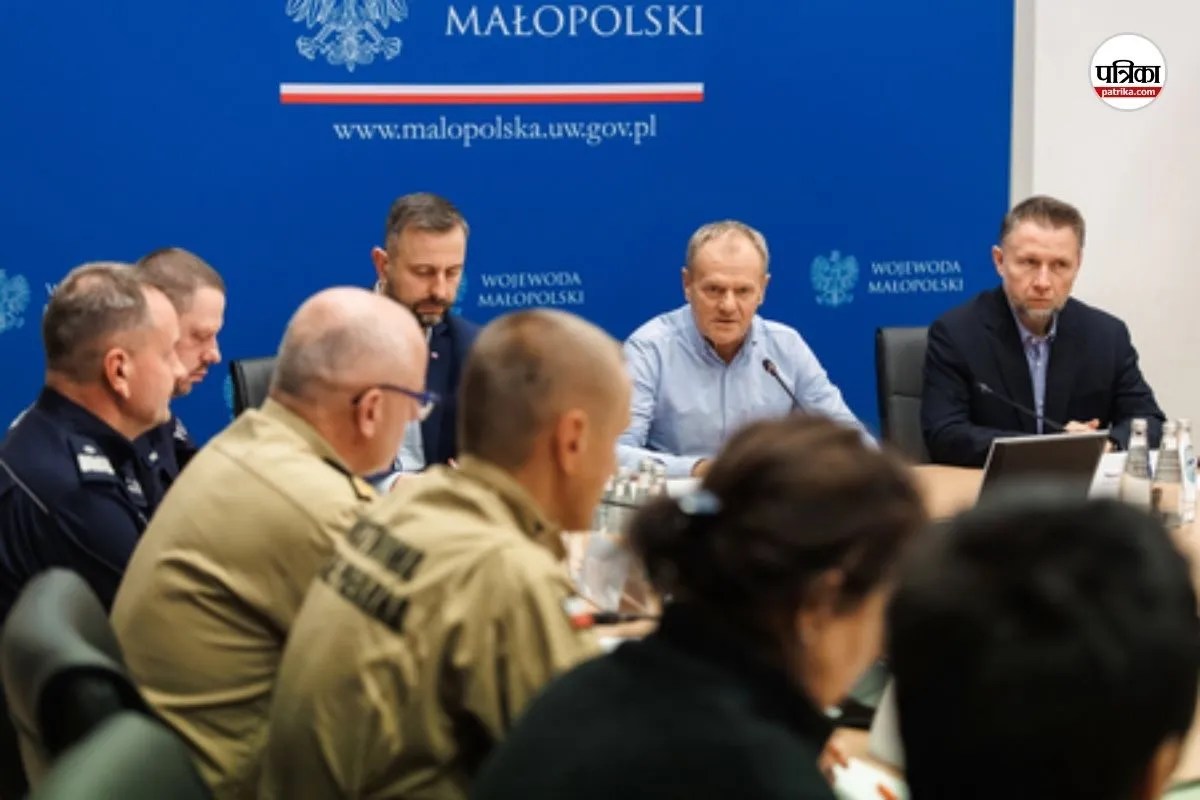
Almost immediately after the shooting, Interior Minister Marcin Kierwiński publicly stated that preliminary evidence pointed toward the attacker holding radical, far-right views. That single declaration lit a fuse across the political landscape.
Right-wing and nationalist factions, including prominent figures from the Law and Justice (PiS) party, pushed back aggressively. They demanded transparency and proof, warning that government officials were weaponizing a national tragedy to score cheap political points against political adversaries. Przemysław Czarnek publicly challenged the Interior Minister, asserting that if the government misled the public about the attacker's ideological ties, there must be severe political consequences.
Independent media and commentators quickly pointed out a grim irony. While investigators were still racing to piece together digital footprints, gun club memberships, and personal manifestos, politicians were already treating the bloodshed as validation for their existing ideological talking points.
Shattering the Illusion of Absolute Safety
For locals, the psychological impact is profound. Poland consistently ranks as one of the safest countries in Europe. Walking through Krakow's Old Town on a weekend afternoon is a routine, peaceful experience for residents and tourists alike.
In a stark indicator of how deeply the event shook the country, the traditional St. Mary’s Trumpet Call—a haunting five-note melody played hourly from St. Mary’s Basilica—was paused overnight. It was the first time that historic tradition had stopped since World War II. Citizens gathered at makeshift memorials in the Main Market Square, leaving candles to push back against a sudden, unfamiliar spiral of anxiety.
Foreign nationals, including visitors from the U.K., Germany, Portugal, Austria, and Russia, were among the wounded, turning a domestic security failure into an international crisis of confidence for Poland's tourism hubs.
The Danger of Exploiting National Trauma
The rush to define the shooter's motives before forensic investigations concluded reveals a toxic symptom of modern politics. When unprecedented violence shatters a society, institutions should offer clarity and steady leadership. Instead, the immediate reaction from parts of Poland's political class became a contest over narrative control.
Right-wing broadcasters clashed openly with government ministers, leading to official complaints filed with the National Broadcasting Council. Rather than uniting a grieving public, the tragedy became another frontier in an ongoing culture war.
The gunman's death in the hospital closes the door on a standard courtroom trial that might have laid bare the psychological breakdown behind the massacre. Poland is left to grapple not only with the loss of innocent lives in its most treasured public square, but with the uncomfortable reality that its political leaders cannot let a tragedy pass without trying to weaponize it first.