Walk into a private diwaniya in Kuwait City right now, and you will hear a conversation that would have been unthinkable a few years ago. People aren't just discussing local traffic or business anymore. They are openly questioning the bedrock of their country's foreign policy: the heavy military reliance on the United States.
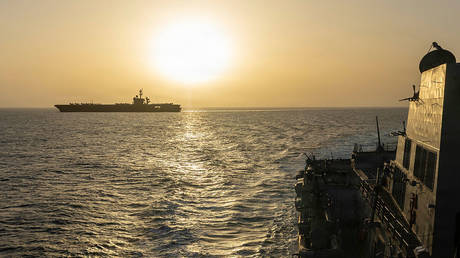
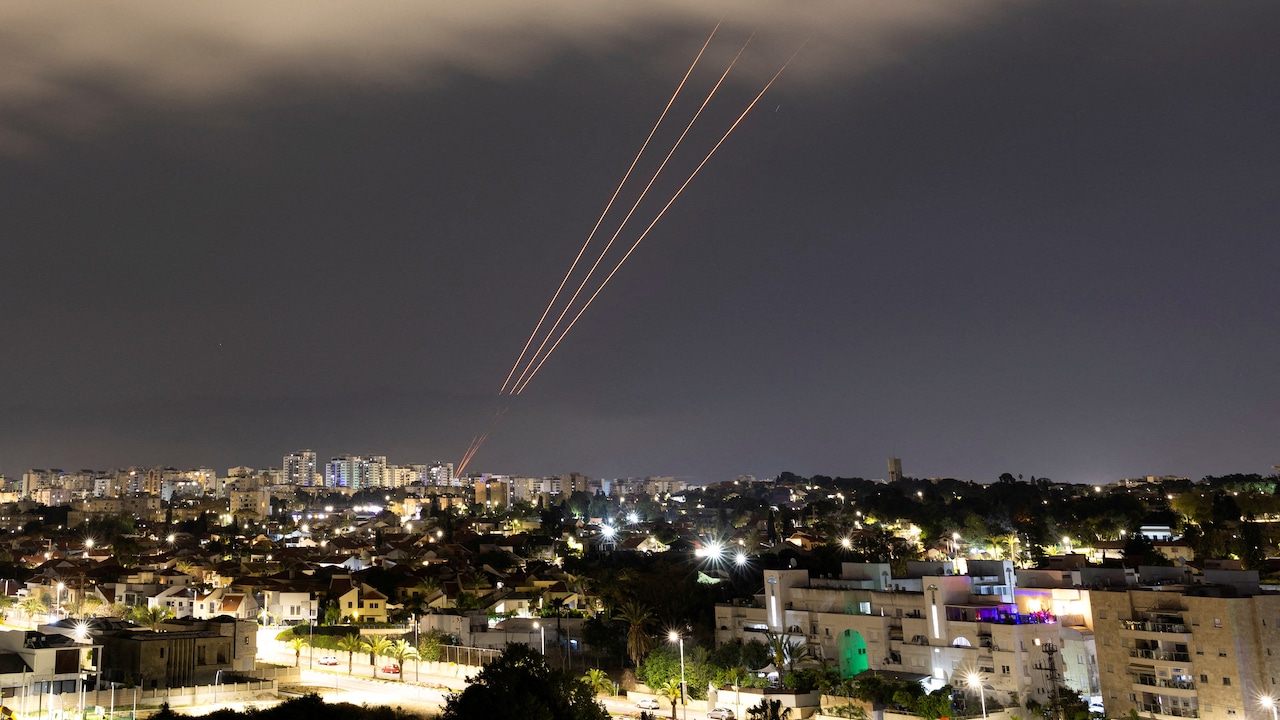
For decades, Washington was viewed as the ultimate security blanket. The 1991 liberation left a deep, positive imprint on the national memory, anchoring a belief that American power would always protect Kuwait's borders. But recent regional escalations, including Iranian drone and missile strikes hitting Kuwaiti soil, have shattered that illusion of safety. Citizens and lawmakers are asking a blunt question. Why should Kuwait host thousands of American troops if that very presence turns their cities into a frontline target for foreign retaliation? If you found value in this post, you should look at: this related article.
The Cost of Hosting American Power
The friction isn't happening in a vacuum. When regional conflicts flare, smaller Gulf states often absorb the shockwaves without having a real say in the strategic decisions made thousands of miles away in Washington. Kuwaiti leaders initially insisted their territory wouldn't be used for offensive operations. Yet, the realities of modern missile warfare and pressure from Washington quickly forced operational compromises, pulling Kuwait deeper into a conflict it desperately wanted to avoid.
This dynamic exposes a uncomfortable truth about asymmetric alliances. The superpower gets a strategic staging ground, while the local partner gets the incoming ballistic threats. Recent high-level talks and defense packages—like the multi-billion dollar anti-drone deals involving firms like Anduril—try to patch the security gaps, but hardware updates do not fix a crisis of confidence. For another angle on this story, see the recent update from The Guardian.
Shifting Priorities and Regional Realities
Kuwait isn't turning its back on the West overnight, but its leaders are realizing that diversification is survival. Policymakers are watching Washington pivot its attention and military assets elsewhere, leaving Gulf capitals to wonder about long-term reliability. At the same time, Kuwait maintains a distinct diplomatic independence compared to its neighbors. For instance, Kuwait City has consistently resisted pressure to normalize relations with Israel, keeping its focus firmly on Palestinian statehood despite shifting regional trends.
This independent streak defines modern Kuwaiti politics. The public expects foreign policy to deliver tangible protection, not abstract geopolitical alignment. When American defense commitments feel transactional or unpredictable, domestic pressure mounts on the ruling government to hedge its bets.
What Happens Next for the Gulf Security Architecture
The relationship is entering a transactional phase where blind trust is dead. Washington still needs Kuwait's logistics hubs, and Kuwait still needs a credible deterrent against aggressive neighbors. However, the terms of engagement are being rewritten behind closed doors.
Expect Kuwait to demand tighter operational consultations, stricter controls over base usage during crises, and faster delivery of advanced defense systems rather than vague promises of protection. The era of unconditional alignment is over. Kuwait is putting its own sovereignty first, and Washington will have to adapt to a partner that finally wants equal footing at the table.